

 Oct 2019


Vampyr is the kind of game that slaps you with a Victorian overcoat and then politely asks whether you prefer to be a kindly physician or a nocturnal menace with commitment issues. Developed by Dontnod Entertainment and ported to the Switch by Saber Interactive, this 1918 London-set action-RPG casts you as Dr. Jonathan Reid - a war-scarred doctor who wakes up in a mass grave and discovers the inconvenient truth: he's a vampire. The premise sets up a delicious moral balancing act. Do you honour the Hippocratic Oath and keep your hands clean, or do you occasionally (read: frequently) snack on your already-sick patients to unlock blood-spewing magic and level up faster? The game teases your conscience while it prods your curiosity, wrapped in a gothic atmosphere, industrial cello music and citizens with routines so specific they could be surveyed for a thesis.
Vampyr plays from a third-person perspective and is essentially a hybrid: equal parts detective-ish dialogue and investigation, plus mashups of action combat and vampire superpowers. The mechanical hook is simple and messy in the best way - you have a roster of about sixty citizens living in four distinct London districts, and each one has their own habits, relationships and rumours. Learn their schedules, dig up clues, and you can either help them recover with crafted medicine (and preserve the population), or you can feed on them to refill your blood bar and gain experience points. Feeding unlocks new vampiric abilities - think blood spears, mist bombs, invisibility, and boil-their-blood theatrics - so every bite is a trade-off between ethical self-restraint and raw power. Combat mixes improvised melee (a saw is an oddly satisfying weapon), firearms like the Webley Revolver, three-hit combos, dodge rolls and parrying. Using vampiric abilities drains your blood gauge, which nudges you toward hunting to stay effective in fights. Some enemies are other vampires - aristocratic Ekon, sewer-dwelling Skals, Vulkod brutes who look like they skipped leg day and joined a werewolf fitness club - and boss encounters pop up that occasionally are mandatory. The skill tree lets you invest in active skills (offensive, defensive and tactical) and passives (regen, bite damage, carrying capacity). There's also a Mesmerise ability for non-lethal manipulation, letting you coerce weaker NPCs into revealing information or strolling behind a hedgerow so you can feed without drawing a crowd. Decisions actually matter here. The districts have health scores influenced by how many citizens are ill or dead, and those averages shift the tone of the city as you play. Finish the game without killing anyone and you unlock one ending; embrace a handful of people and you get different outcomes; embrace a lot and the story punishes you in character-development ways. The narrative ties choices into gameplay more tightly than many modern games - sometimes frustratingly so. If you refuse to feed, you'll be underpowered; if you feed wantonly, people you just invested in emotionally might vanish and whole neighbourhoods will go to rot. That moral maths is the game's main thrill: calculating the human cost of a bigger fireball. Where Vampyr stumbles is in the execution of some of its combat and technical pieces. The fighting is competent but not revolutionary - critics called it "functional at best" and occasionally "sloppy". Animations and lip-syncing can wobble, and loading or frame hiccups crop up in spots. On the Switch, Saber Interactive gives us the portable option, and while the experience holds the core game intact, don't expect buttery 60fps console smoothness without compromise. Still, if you come for the choices, the characters and the gloomy streets, you'll likely forgive a stiff parry or two.
The art direction aims for photorealistic lighting married to stylised gothic brushstrokes - Dontnod apparently binge-watched history books, photographed London locations and loaded up on Phil Hale paintings for atmosphere. The result is a convincingly dank and moody London: gaslit alleys, mist-cloaked docks and sickrooms where the moral fog is as thick as the actual fog. Character motion capture adds a layer of realism, though this is also where the game's polish is uneven - motion can feel authentic some scenes and awkward in others, and facial animations sometimes fail to match the vocal performances. Olivier Deriviere's industrial-leaning soundtrack pairs beautifully with the visuals; cello and bass instruments push the tone from melancholy to menacing just when you bite down on a particularly awkward ethical choice. On the Switch, the visuals are downscaled compared to beefy consoles and PCs, but they preserve the noir charm. If you want postcard-perfect textures, look elsewhere; if you want atmosphere that smells faintly of boiled blood and compassion, this fits the bill.
Vampyr on Switch is a deliciously conflicted game - deliberately so. Its greatest success is a system that ties story decisions to gameplay stakes: you care about people because they matter mechanically and narratively. The setting is one of the best parts, a moody 1918 London that gets under your collar, and voice acting and writing often land emotionally. Combat and technical roughness hold it back from greatness; the fights are serviceable, the animations occasionally twitchy, and performance can be uneven on portable hardware. If you crave a thoughtful, morally grey RPG that makes you feel guilty for munching on the wrong baroness, and you don't mind a few rough edges, Vampyr is a strong bite. If you want a polished, fast-paced action romp, this isn't it. For my money, it's worth playing on the Switch when you're in the mood to brood, decide whether mercy has teeth, and occasionally whisper "sorry" to a corpse. It's charming, a little flawed, and oddly humane for a game about someone who could very easily be a monster. Score: 7/10.
 Combat Elite: WWII Paratroopers on PS2
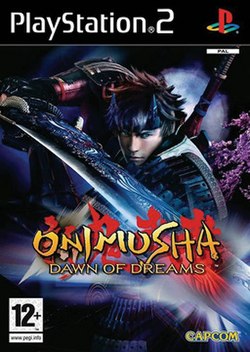
 Onimusha: Dawn of Dreams on PS2
 Disney's Chicken Little: Ace in Action on PS2
 Action Man: Operation Extreme on PlayStation










 Another SquareThought Site