

 Apr 2026
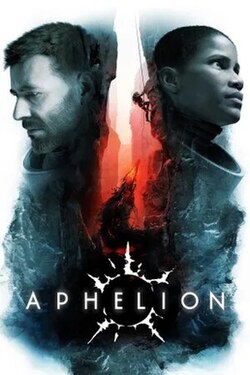

Aphelion drops you, very dramatically, into the kind of icy, hostile space opera that smells faintly of astronaut coffee and poor life choices. Developed and published by Don't Nod and set in the 2060s, the game pairs two ESA-conscripted astronauts - Ariane and Thomas - who crash on the frozen planet Persephone and quickly discover they're not the only tenants. The antagonist, a shadowy lifeform known simply as the Nemesis, stalks the pair across 11 linear chapters, and the experience alternates between Ariane's muscle-and-momentum play and Thomas' methodical investigation and survival segments. Reviews were mixed at launch, which is fitting: the game wants to be both a tense sci-fi thriller and an emotional character study, and sometimes it succeeds at one while tripping over ambition on the other.
Aphelion's core conceit - two playable characters with divergent gameplay - is where the game both earns sympathy points and raises an eyebrow. Ariane is the team's physical exemplar. Her chapters lean into traversal, platforming, and action-oriented momentum. The level design hands her large, vertical playgrounds where you feel like a rogue parkour instructor for a spacesuit. Those segments are the game's kinetic heart: you sprint, grapple, vault and occasionally make split-second choices about whether to confront or outmaneuver a threat. That design choice mirrors Ariane's story arc - she is written as embodiment: muscle, movement, the person who acts first and asks existential questions later. The way the camera bobs and the animations hiccup when she lurches up a glacier sells you on her immediacy. It also makes her arc readable even when the script stays subtle: by being the one who moves, she becomes the one who changes the world around her. Thomas' chapters are the foil: slower, quieter, and built around survival and investigation. Where Ariane throws herself at problems, Thomas kneels beside them with a flashlight and a clipboard. These segments are deliberately more claustrophobic, with emphasis on scanning, puzzle-solving and piecing together what the Nemesis is and why Persephone might be hospitable - or lethal - for humanity. Thomas' arc is the game's conscience. He's the thinking partner in a duet that often crescendos into miscommunication and tension. The juxtaposition between Ariane's muscle and Thomas' brain gives the narrative a pleasing friction: you can almost hear their arguments before they happen, even if the script occasionally undercuts the heat of those moments. The crash-landing premise works as a pressure cooker for character development. Stripped of Earthly pretense and shoved onto a frozen world, the two characters reveal their priorities in handfuls: survival, curiosity, blame, sarcasm. The Nemesis is less of a dialogue partner and more of a narrative mirror - a relentless force that reframes their choices. Because the creature is mostly inscrutable, the emotional meat of Aphelion lives in the humans' reactions. In practice, the game uses set-piece encounters with the Nemesis to accelerate arcs: Ariane's bravado thins; Thomas' carefulness is tested. The most compelling scenes are the small ones - a whispered argument in a wrecked hab-module, a silent moment where both characters look at a distant star and acknowledge the possibility of failure. Don't Nod's pedigree with character-driven narratives (see their work on titles like Tell Me Why) shows in these beats, even if the pacing is occasionally hamstrung by the need to switch gameplay styles. Mechanically, the Nemesis encounters try to mimic survival-horror tension while keeping traversal accessible. Developers said they drew inspiration from the Alien franchise, and you can feel it: stalking, audio cues, the stomach-sink realization that you can't simply outgun what hunts you. The difference here is that Ariane's action sections sometimes make those encounters feel like an obstacle course, while Thomas' segments can be more nerve-wracking - you spend more time listening. That split personality is the game's thesis: two people, two ways to survive, one planet that refuses to be neat. The result is an uneven but interesting rhythm; when it clicks, Aphelion is a short, sharp meditation on partnership under pressure. When it stumbles, the tonal mismatch between platforming bravado and investigative restraint becomes impossible to ignore.
Built on Unreal Engine 5, Aphelion looks and sounds like a modern Don't Nod title: uncanny ice vistas, stark lighting and character models that read as convincing when they need to. Persephone's landscapes are the easy win - long-range vistas, aurorae-ish skies and crystalline ridgelines that sell isolation and scale. The engine does well with environmental storytelling; crashed modules, ice-warped metal and scattered data logs do a lot of the narrative lifting. Character faces are expressive enough to carry the quieter emotional beats, though not every close-up lands perfectly - a few lip-sync hiccups and animation transitions remind you this isn't pushing blockbuster budgets (the reported production cost was €8.5 million). On Xbox Series X/S the frame rate is steady in exploration and tension segments, which matters a lot for a game that asks you to traverse and to listen. Lighting and particle effects - breath in the cold, flarebacks on a failing torch - are handled with care and often do the heavy lifting for mood. The Nemesis design is gloriously minimal: silhouettes, suggestion, and well-scored sound design rather than overt anatomy. Composer Amine Bouhafa's score complements the visuals by offering low, trudging synths that bubble into crescendos during chase scenes, turning otherwise empty expanses into something foreboding. There are moments where textures pop late or crowdsourcing detail is thin, but overall the visual package is polished enough to sell the world and focus attention where the game most wants it: on the duo's fragile alliance.
Aphelion is less a cleanly executed genre mash-up and more a personality test for games that want to be both thriller and human drama. Its biggest strength is how it uses gameplay differences to reflect character: Ariane's movement-forward approach and Thomas' investigative caution are not just gimmicks, they are the spine of their respective story arcs. Don't Nod's writing team gives these beats room to breathe, and the ESA-backed setting provides an appropriately chilly philosophical backdrop. The Nemesis is a smart design choice - enigmatic enough to stay scary but present enough to force change. That said, the game sometimes struggles under its own ambition. The split gameplay can feel like two separate games stitched together, and pacing hiccups mean the emotional payoffs don't always land as hard as they should. Critical reception was mixed, and that feels fair: for every scene where the partnership hits cinematic resonance, there's a platforming sequence that pulls you out of it. If you go in expecting a tight, character-forward sci-fi about two flawed people learning to trust each other - with the occasional sprint and stealth crawl - Aphelion will reward you. If you demand flawless cohesion between style and tone, the Nemesis will probably catch you in an awkward moment. Final verdict for the Xbox Series X/S player: an intriguing, uneven journey. Bring patience, appreciate the performances, and enjoy the snow-scoured vistas. With a little more polish to marry its two halves, it could have been a classic of intimate sci-fi. As it stands, it's a memorable experiment with more heart than hubris, worth a play for those who like their space stories with a side of interpersonal disaster.
 Disney's Chicken Little: Ace in Action on PS2
 Pirates: The Legend of Black Kat on PS2
 One Piece Grand Adventure on PS2
 Lost Records: Bloom & Rage on PS5
 Banishers: Ghosts of New Eden on Xbox Series X/S
 Harmony: The Fall of Reverie on Switch










 Another SquareThought Site