

 Feb 2024
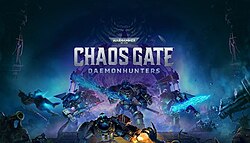

If you've ever wanted to watch Gothic sci‑fi grimness collide with methodical tactical murder, Warhammer 40,000: Chaos Gate - Daemonhunters arrives like a bolter round from your grandma's prayer book. Developed by Complex Games and published by Frontier Foundry, this is the long‑awaited spiritual sequel to the 1998 Chaos Gate. On Xbox Series X/S it landed on 20 February 2024, bringing the Grey Knights - humanity's psychic exterminators - to consoles with a single‑minded purpose: stop the Bloom and smack down any Plague God plan that smells even faintly of garden mulch and cosmic doom. The game wears its Warhammer heritage proudly. It's a turn‑based tactics/tactical RPG hybrid where careful positioning, psychic might, and judicious use of holy murder are rewarded. The narrative leans hard into Warhammer's melodrama: Inquisitor Kartha Vakir, Captain Agravain, the mysterious Codex Toxicus, and the cursed Supreme Grandmaster Kaldor Draigo all strut through a plot involving five Nurgle Reapers, a lingering Daemon‑Prince named Kadex Ilkarion, and an unpleasant garden party hosted by Mortarion himself. If the lore makes you smile and shudder in equal measure, then congratulations - this game is for you.
Gameplay is where Chaos Gate keeps its servo‑arm steady. At its core it's a turn‑based tactics experience: you command a squad of Grey Knights, each an Adeptus Astartes psychic, and take them across mission maps to accomplish objectives and cleanse the Bloom. Combat rewards thoughtfulness rather than chaotically firing every psychic sword into the nearest thing with a face. Positioning matters - cover, line of sight, and managing psychic abilities all combine to make encounters feel like tiny, brutal chess games punctuated by explosions and righteous shouting. The missions swing between classic tactical set pieces and moments that push the narrative forward. Early on you play through a prologue on Gaheris where Captain Agravain does his one‑man banish‑and‑die routine; later you escort Vakir, tangle with Death Guard forces, attempt to trap Reapers' essences into the Codex Toxicus, and ultimately chase souls into the Garden of Nurgle. The plot devices are straight out of the grimdark soap opera playbook: betrayal, sacrificial beacons, and a boss who enjoys composting souls. The story gives you a spine of urgency and a roster of memorable names - Kadex, Draigo, Mortarion, Vakir - to mutter angrily at between turns. Unit management has enough depth to scratch the number‑crunching itch without turning into a spreadsheet nightmare. You outfit your squad, allocate abilities, and decide when to burn precious psychic or arcane resources. The balance of permanent consequences and player agency is satisfying: the feel of individual Grey Knights growing stronger, painfully surviving or heroically falling, is part of the emotional currency of the game. Combat rewards resource conservation and smart gambits: sometimes you bait, sometimes you charge, and sometimes you perform a perfectly timed psychic nosedive that makes a Death Guard marine rethink his life choices. On Xbox Series X/S the controls translate surprisingly well to a pad. The turn‑based nature means there's no twitch penalty for using a controller and menus are comfortably navigable with thumbsticks and triggers. The pacing suits console play: you can chew through a mission in a focused sitting or treat progress like slow, righteous penance between other games. Load times on the Series hardware are sensible; the UI keeps relevant tactical info readable from the couch, and the radial menus feel responsive. If you were worried you'd need a mouse to micro‑manage every psychic mutation, you can relax - the controller implementation is clean. Where the game shines is the interplay of story hooks with tactical choices. Boss encounters - yes, including that Mortarion showdown - are less about attrition and more about solving a rotating puzzle of threat zones, summons, and scripted events. They make you think beyond 'shoot until they die' and instead ask 'how do I break this narrative machine before it breaks me?' The Codex Toxicus plot thread provides a neat throughline: it's not just a MacGuffin on a shelf, it changes what you do and how your squad evolves. If Chaos Gate has faults, they're mostly the kind that crop up from strict adherence to tradition: some missions can feel a bit samey on structure, and the difficulty spikes can be brusque. If you lean into experimentation with squad composition and the game's tactical toys, it's rare to be truly stuck - but a few fights demand either perfect execution or several reloads. Still, the learning curve is fair; the game trusts you to adapt rather than hold your hand with endless tutorial popups. All told, the tactical systems are robust and enjoyable, and they pair well with the Warhammer 40K setting's inherent flair for tragic heroism. If you like tactical games that let you plan, improvise, and then watch your plan become an impressive stain across an enemy line, this is a satisfying ride.
Graphically the game leans into the grim gothic of Warhammer 40K: dark, ornate, and occasionally smelling faintly of astronomical rot. On Xbox Series X/S the presentation is competent and atmospheric. Character models for the Grey Knights are chunky and satisfying - exactly the sort of oversized power‑armour you'd want to wrestle with in a studio miniature fight - while daemonic enemies carry Nurgle's trademark grossness with grim flair. Environments range from plague‑blighted craftworld ruins to the claustrophobic insides of ships and warped warp‑touched gardens, and they're rendered with enough detail to set the mood without demanding you squint for lore tidbits. Visual effects for psychic powers and daemonic invocations are the game's little fireworks: when a Grey Knight lets loose, there's a satisfying glow and impact that reads clearly on the battlefield. The UI is functional and readable, which matters more in a tactics game than being photoreal. Performance on Series X/S is solid; framerate and loading feel stable, and the next‑gen hardware helps those environments feel dense rather than flat. If you were hoping for console‑level eye‑melting fidelity to rival the latest blockbuster shooters, this won't be the halo. But if you want atmospheric, purposeful art direction that complements the tactical gameplay and the Warhammer setting, Chaos Gate delivers. One small gripe is that some cutscenes lean on static shots and heavy narration rather than fully cinematic camera gymnastics, which can make story beats feel like illustrated panels more than Hollywood sequences. For most players that won't be a negative - after all, the meat of this game is the battlefield - but it's worth noting for anyone expecting endless spectacle between battles. The real spectacle is in the combat, and the visuals there hold their own.
Warhammer 40,000: Chaos Gate - Daemonhunters on Xbox Series X/S is a tidy marriage of gritty Warhammer lore and thoughtful, satisfying tactical design. Complex Games took a beloved property, kept the grimdark charm, and made a single‑player tactics game that rewards planning, punishes sloppy bravery, and occasionally makes you feel like a hero - or like a very expensive mistake. The story stitches together classic Warhammer melodrama with several genuinely memorable moments: betrayals, sacrificial beacons, and an overenthusiastic Daemon‑Primarch named Mortarion who really should find new hobbies. Critically the game landed well - Metacritic sits comfortably around the low 80s and several outlets handed it solid scores - and it even earned a D.I.C.E. nomination for Strategy/Simulation Game of the Year. Those nods are deserved: the combat systems are tight, the writing embraces the setting's baroque nastiness, and the Xbox Series X/S version is a comfortable, polished way to play. There are occasional pacing hiccups and a few difficulty spikes that may prompt reload rituals, but those are blemishes on an otherwise well‑crafted tactical experience. If you're a Warhammer fan who loves planning the perfect criminally efficient execution or a tactics player who enjoys a hefty dose of lore with your tactical thinking, this one's worth the trip. Strap on the armour, mutter a prayer to the Emperor, and prepare to rip the Bloom out by its roots - ideally without getting composted in the process. 8.5/10.
 Just Cause 2 on PS3
 Stranger of Paradise: Final Fantasy Origin on PS5
 Coloball 2002 on PS2
 Nobunaga's Ambition: Rise to Power on PS2
 Nobunaga's Ambition: Iron Triangle on PS2
 Nobunaga no Yabou Online: Haten no Shou on PS2










 Another SquareThought Site