


 Aug 2025
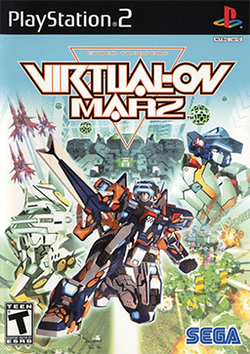

Virtual-On MARZ lands like a hulking Virtuaroid in a dust storm: loud, metallic, and full of the mechanical squeak of things that are either about to transform or about to explode. It's the fourth standalone entry in Sega's cult twin-stick mecha series and the one that tried to graft an action-adventure, mission-driven shell around the series' arcade heart. If you loved the original Virtual-On's raw, twitch-based duels, MARZ will give you that old adrenaline kick - but with extra homework. This is not a hold-your-hand simulator; it's a competence filter. The game dresses up the classic two-on-two Virtual-On rules in a Dramatic Mode that drags you through stage objectives, brawls, exploration and boss fights. If you're reading this because you enjoy learning mechanical systems, outplaying partners and opponents alike, and getting punished for sloppy inputs, then roll up your sleeves. MARZ is less about cinematic storytelling and more about turning you into a pilot who can actually control both sticks at once without flailing like a toddler at a drum set.
The headline rule for MARZ is: learn the twin-stick language, or be eaten by metal. The series' signature control philosophy - think two sticks controlling strafe/movement and turning/boosting - is mapped to the DualShock's analogue sticks. The L and R buttons handle turbo and primary/secondary weapon functions, attempting to mimic the arcade twin-stick layout. For players unused to this, the first hour is often a frantic school of humility: you'll boost where you meant to dodge, or fire the wrong weapon during a split-second window. The game does offer Auto controller layouts and variants for those allergic to full twin-stick commitment, but the challenge really shines when you master the original mapping. MARZ follows the match rules of Virtual-On: Force. This means two-on-two skirmishes with a designated leader and an ability to 'rescue tag' a fallen ally by transferring half of your life gauge. That particular mechanic turns matches into chess played at 60 FPS: timing your tag matters as much as landing a combo. It forces you to think beyond "I have more health" - you're constantly watching both your teammate's position and your own life bar to decide whether to commit to aggressive plays or to create a rescue opportunity. Learning when to be the sacrificial ledger and when to be the rescuer is a skill in itself, and it separates panicked pilots from smart teams. Single-player is where MARZ throws a mixed bag of tests at you. Challenge Mode offers stage-like fights reminiscent of Force, pitting you and an NPC partner against two other VRs or bosses. Dramatic Mode, the new story-driven suite for PS2, is effectively a mission generator: exploration, objective-led target destruction, beat 'em up segments, and boss encounters. This variety forces players to diversify skill sets. Exploration missions punish sloppy movement and poor situational awareness; you need to use dash and strafe to navigate spaces while keeping enemies at angles that favor your weapons. Target-destruction objectives reward methodical approach and weapon knowledge - certain Virtuaroids excel at zoning with long-range projectiles, while others are all about closing distance and combo chains. Beat 'em up stages are noisy, crowded slogs that demand crowd-control tactics and prioritization: which enemy drops the critical item, which one will interrupt your combo, and when to fall back for a rescue tag. Boss fights are where the game's difficulty curve can feel like a brick wall. Bosses often telegraph attacks, but the window to exploit them is punishingly small, and their hitboxes can be annoyingly generous. Success requires anticipation, memorization, and precise stick control to position your Virtuaroid in the correct strafing lanes. In short: pattern recognition + mechanical consistency = victory. Rinse and repeat until muscle memory clicks. Another layer is the unlocking system. MARZ rewards specific mission achievements - beating stages, destroying certain numbers of Virtuaroids in beat 'em up missions, and hitting other criteria opens up new playable Virtuaroids. Learning each VR's strengths and weaknesses becomes a skill tree of sorts: you'll need to adapt your playstyle to match a Virtuaroid's archetype (zoner, brawler, all-rounder). The roster variety increases the skill ceiling because match-ups matter; some VRs stomp others if you can't punish their blindspots. Local split-screen two-player mode lets you team up or duel on the couch. Co-op vs AI is a lesson in shared situational awareness: trust your human teammate to handle rescue tags, but don't depend on them entirely-your decisions still matter. The Japanese release includes a Database mode with lore and unlockables accessible through Dramatic Mode; it's absent from the English localization, which is a shame for completionists who like to mine story bits for strategic clues about enemy behaviors. On the subject of AI: teammate AI is competent enough to tag and deal damage, but it won't compensate for a lack of mechanical skill. The game pushes you to refine movement, weapon timing, and tag strategy rather than babysit an NPC. For players seeking a deep, competitive skill challenge, this is welcome. For those wanting a casual mecha romp with cinematic polish, MARZ can be unforgiving. In short, the skills MARZ demands are: precise twin-stick control, split-second decision-making for tags and rescues, pattern recognition for bosses, roster knowledge for match-ups, and the ability to shift mindset between exploration, zoning, and brawling. If you train those muscles, the payoff is satisfying: a cleanly executed combo, a perfectly timed rescue, or a clutch boss dodge feels like a small mechanical miracle.
Visually MARZ looks like a PS2-era mecha headbang: angular, metallic, and focused on delivering readable action rather than photorealism. The game reuses a lot of assets from Virtual-On: Force - map geometry, models and many of the Virtuaroids themselves - which has pros and cons. On the plus side, the models are crisp where it matters: the silhouette language is clear, so you can instantly recognize enemy types and orientations during combat. That clarity is crucial when a match is decided in the span of a second. Textures are serviceable and animations are functional; explosions and effects are flashy enough to sell impact, though they rarely push the PS2's hardware to its limit. The Dramatic Mode stages attempt variety - from Martian dustscapes to more cramped urban locales - and each environment affects combat. Wider stages reward long-range zoning and strafing mastery, while tight corridors turn the game into a frantic up-close brawl. The reused assets sometimes make stages feel less unique than the game would like, but again, gameplay readability is prioritized over scenic diversity. Character and Virtuaroid designs carry the weight of Hajime Katoki's aesthetic pedigree: they look like models that were designed to be customized and studied, not just admired in a gallery. That design focus suits the gameplay-driven nature of MARZ; you're meant to learn these robots, not simply stare at them. The English localization includes a dub and region-specific trims that don't change the underlying visual experience, and the PS3/PSN re-release preserved those visuals more for nostalgia than for graphical upgrades. If you want modern bells and whistles - dynamic lighting, ultra-high res textures, or cinematic cutscenes - MARZ will feel a little dated. If you want readable, punchy mecha combat where the visuals serve clarity, it does the job handily.
Virtual-On MARZ is a stubborn, occasionally brilliant entry in a franchise built on mechanical purity. It wears its arcade roots proudly and offers a Dramatic Mode that asks players to do more than mash buttons: it asks them to think like pilots. Mastering twin-stick movement, nailing rescue tags, and learning match-ups are all satisfying achievements - the sort of small victories that keep competitive players returning. The trade-offs include recycled assets, a sometimes unforgiving difficulty ramp, and a story mode that's more functional than cinematic. If you're the kind of person who enjoys the discipline of mechanical games - the quiet joy of doing the same tiny action more cleanly each time - MARZ is worth a look. If you want a narrative spectacle or a game that holds your hand through every phase, you'll probably leave it halfway through the Dramatic Mode muttering about unfair bosses. For a mecha experience that doubles as a skill-testing bootcamp, pack your controller, train those sticks, and brace for a challenge that rewards patience and precision. There's real satisfaction tucked behind MARZ's stern, metallic exterior - you just have to earn it.
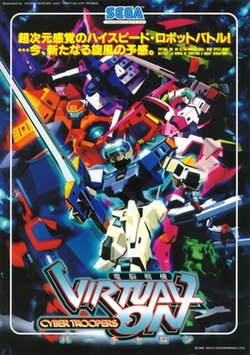
 Virtual On: Cyber Troopers on PS3
 Laid-Back Camp -Virtual- Lake Motosu on PS4
 Tintin: Destination Adventure on PlayStation
 One Piece Grand Adventure on PS2
 Taiko no Tatsujin: Dokodon! Mystery Adventure on Switch
 Onimusha: Dawn of Dreams on PS2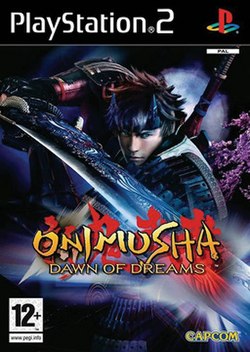










 Another SquareThought Site