

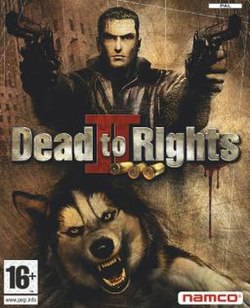

Dead to Rights II is the kind of game that smells faintly of leather jackets, spilled coffee, and the faint possibility of stylish violence. It's a third-person action-shooter that hands you a cop named Jack Slate and his overly competent K-9, Shadow, then politely encourages you to solve problems with bullets, fists and canine-assisted kung fu. The prequel leans hard into arcade-y shootouts, punchy melee and slow-mo theatrics rather than simulation; what matters here is timing, target prioritization and the ability to not panic when five goons and an exploding propane tank decide to reenact a Michael Bay storyboard. If you want a game that tests your twitch aim and your decision-making in tight spaces - and you enjoy being rewarded for pulling off ridiculous dives while Shadow rips a thug's kneecaps off - this PS2 offering will put those skills on a chaise lounge and demand they perform.
Dead to Rights II wears its challenge like a stained trench coat: obvious, slightly uncomfortable, but oddly endearing. The game is built around two core combat pillars: gunplay and fist fighting. Gunfights are often presented as frantic, close-quarters affairs where enemies flow in waves through corridors, doorways and cover points. The action camera and auto-targeting system are effectively a training wheels feature - the game snaps your aim to the nearest enemy and highlights accuracy zones with a colour system (green = jackpot, red = sad noodle). This means success isn't only about raw analog-stick precision; it's about learning how the camera decides who you're shooting at and positioning yourself so that the system favours the bad guys you actually want dead first. Energy management is the real meta-skill. The slow-motion dive move is the game's candy-coated special: press it and time stretches so you can lay down multiple shots mid-air, take human shields, or send Shadow into a throaty murder-roll. The catch is energy - a pool that depletes when you dive or use canine takedowns. Energy replenishes in three ways: naturally over time, by defeating enemies, or by disarming foes. This design forces you to chain kills and use the environment to stay in the fight. If you mindlessly dive-slash-spam like it's a cheat code, you'll run dry and find yourself face-to-face with a shotgun-wielding goon who doesn't appreciate your sense of entitlement. Weapon handling is pleasantly ruthless. There's no manual reloading; instead, when a gun runs dry you drop it and pick up whatever the map (or a defeated enemy) offers. This creates interesting resource triage: do you keep your accurate assault rifle until it sputters, or do you swap early for a shotgun because rooms are getting friendlier to close-range murder? The lack of reloading means you're always making trade-offs mid-combat, and good players will learn to treat each weapon as a consumable with a specific use-window. Environmental awareness and improvisation are constant demands. Explosive canisters and grenades litter many arenas; shooting the right prop at the right time can clear a choke point or knock down a bad guy who thought he was clever. Vaulting over obstacles and using cover are not optional theatrics - they're survival strategies. Levels are designed to let you run-and-gun, but the tactical route of using cover and peeking is usually the safer road if you don't want to be staggered by that one guy who sneaks a headshot while you're mid-dive. Close-quarters fighting and melee are less prominent than guns but still vital. Jack can perform melee takedowns and use a selection of blunt instruments; the timing on counters and grapples is basic but unforgiving when you're surrounded. The dog, Shadow, is the most mechanically unique wrinkle: commanding the K-9 to take down enemies and retrieve weapons adds a layer of babysitting to your loadout choices. Skilled players will use Shadow not only as a damage tool but as a utility unit - send him to disarm or distract while you reposition for the green-accuracy line. The game's challenge comes less from punishing difficulty and more from required multitasking. You'll be juggling target selection, energy budgeting, weapon selection, cover use, and canine commands - sometimes all at once. The auto-targeting can feel like a helpful friend or a mischievous sibling depending on the situation; learning its quirks is half the battle. If patience is your virtue, you can methodically clear rooms. If speed is your religion, mastering the dive-to-kill chain and explosive prop timing will let you shred through encounters like a carnivorous lawnmower. Either way, the learning curve rewards experimentation, quick decision-making and spatial awareness more than pure aim alone.
For a 2005 PS2 game, Dead to Rights II is gruff but serviceable. Character models and environments have that mid-2000s texture-blend look: chunky geometry, decent lighting for the time, and face textures that suggest emotion via eyebrow height rather than subtle performance. The action camera and slow-mo sequences add cinematic polish that often makes the graphical rough edges feel intentional. Explosions and muzzle flashes pop-helpful feedback when you're surrounded-and environmental destructibility is used sparingly but effectively. The visuals never aim to impress on a technical benchmark; instead they're functional and occasionally stylish, supporting the gameplay's kinetic needs without demanding a graphics dissertation from the player.
Dead to Rights II is not trying to reinvent anything; it wants you to dive, shoot, punch, and occasionally send a dog to do your dirty work while looking cool doing it. The challenge is a mix of twitch reactions and higher-level decision-making: managing energy, choosing when to be reckless and when to take cover, and learning how the game's auto-targeting will help or betray you. The result is a combat loop that can be deeply satisfying once you learn its rhythms, even if the game's pacing and polish feel a little uneven compared to the heavy hitters of its generation. Critics were mixed - the game averages around the mid-50s on aggregation sites - but if you like concentrated bursts of action, appreciate a system that rewards chaining mechanics together, and don't mind a few dated textures, Dead to Rights II is a fun training ground for reflexes and tactical improvisation. Walk in thinking you'll be an unstoppable cop from minute one and you'll die a few times; walk in ready to learn the game's cadence, and you'll leave with a handful of cinematic, slow-mo murders and the faint urge to pet a fictional dog.
 Dead To Rights on PS2
 Dead Rising 2 on PS4
 Dead or School on Switch
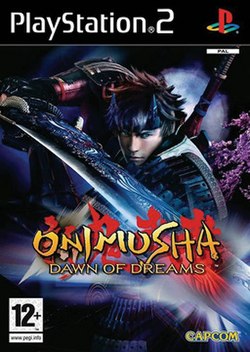
 Onimusha: Dawn of Dreams on PS2
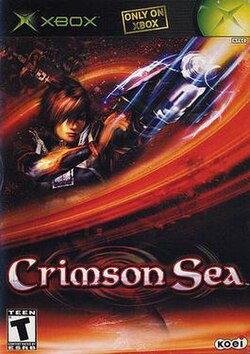
 Crimson Sea 2 on PS2
 Action Man: Operation Extreme on PlayStation
 Tom Clancy's Rainbow Six: Vegas on PS3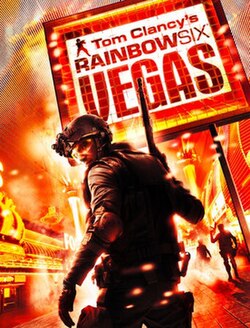












 Another SquareThought Site