

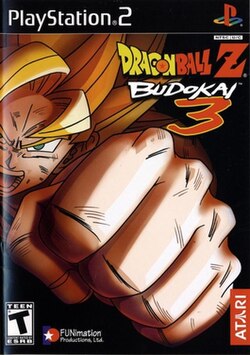

Dragon Ball Z: Budokai 3 is that rare fighting-game sequel that remembers what made the anime ridiculous and then builds a sandbox of mechanics that ask you to be even more ridiculous in return. Dimps took the series' loud energy blasts and anime posing and stuffed them into a surprisingly deep fighting engine on the PlayStation 2. If you played the earlier Budokai games expecting a button-masher with a big yellow health bar, Budokai 3 will pleasantly smack that expectation and say "learn to manage Ki, buddy." The game dresses itself in bright cel-shaded pyrotechnics and then rewards patience, timing, reading, and a little chaotic button-tapping when the universe demands it.
Budokai 3 is a lesson in layered challenge. Superficially it keeps the arcade-friendly face-button specials and flashy ultimates, but underneath that glitzy exterior is a web of systems that force you to think like a martial artist who also pays attention to resource economics. The Ki system is where most fights start and end. Characters have a base Ki level; your Ki will seek that baseline if you don't actively manage it. Above base Ki you hit harder, below it you get punished on defense. Transformations don't simply drain a meter anymore - they raise your base Ki and amplify the swinginess of those stats. That change subtly shifts decision-making: do you transform early to swing damage in your favor but risk fuel instability, or do you hold off and play conservative until you can guarantee an opening? Good players toggle aggression based on those margins. Fatigue is another mechanic that bakes stamina into every block, teleport and Dragon Rush. Defensive play now accumulates a visible cost; holding guard, dodging at the wrong time, or repeatedly using Dragon Rushes racks up fatigue and makes you squishier in those flashy exchanges. The game expects you to manage both Ki and fatigue simultaneously, which creates tense mind-games: bait a teleport counter by feinting an attack, then punish their predictable pursuit when their fatigue prevents a perfect reaction. The movement and interrupt tools are where Budokai 3 rewards timing and prediction. Dodging by tapping guard at the last moment uses a sliver of Ki but avoids damage entirely - perfecting that timing turns would-be punishing combos into empty threats. Teleport counters let you blink behind an incoming attack and immediately retaliate, but they cost Ki and are vulnerable to reads. Pursue attacks - the follow-up after knocking an opponent away - allow for multi-hit follow-ups but can be countered by teleporting. You will need to master reads, timing, and resource trade-offs to make these systems feel like an extension of your brain. Hyper Mode is Budokai 3's "go big or go home" button. Entering it turns your character red, removes standard blocking but makes you immune to normal melee and Ki blasts, and is the gateway to Dragon Rushes and Ultimate Attacks. Hyper Mode drains Ki over time, and when it runs out you end up vulnerable with penalties. The real tactical delight here: starting Hyper Mode isn't the hard part - deciding when to use it, baiting the opponent into mistakes while you're in it, and playing the follow-up mini-games is where the challenge lives. Those follow-ups deserve a moment. Dragon Rush is a three-stage rock-paper-scissors mini-game where attacker and defender pick face buttons; if the attacker wins all three they get a huge setpiece combo or even an ultimate. Ultimate Attacks, meanwhile, become a frantic tap-fest where both sides try to out-tap the other to influence damage and potential reversal. Potara and Dance Fusions add more layers: some fusions are time-limited and require microgames or sustained button-presses; some are permanent and can completely change a match. The result is a fighting game that alternates between deliberate chess and sweaty arcade quickness in a single encounter. Capsules and skill editing turn Budokai 3 into a puzzle of optimization. Each character has seven capsule slots used to customize movelists, boosts, and consumables. With so many strong capsules and some that expand slots, a big part of high-level play is knowing which passive bonuses net you consistent value and which active items are worth losing if your opponent interrupts you mid-use. The game requires both theoretical prep (building an optimized loadout) and in-match improvisation (when to use a senzu bean or expend a capsule to survive a combo). Modes like Dragon Universe (story mode), World Tournament, Dueling and Edit Skills give multiple arenas to practice and test these systems. Dragon Universe is deceptively grindy and teaches you the game by forcing character-specific playthroughs to unlock capsules and characters. If you're the kind of player who learns by doing, this is a great single-player training ground; if you want the instant competitive ladder, Dueling and World Tournament simulate higher-skill encounters and teach match-up knowledge. The roster variety also amplifies the learning curve. From Hercule to Super Saiyan 4 Gogeta, each fighter brings different ranges, ki-based zoning tools, and transformation timings. Mastering a handful of characters and their optimal capsule setups is the fast lane to competence, while skimming the roster gives you context for adapting against underused, tricky picks like Potara or fusion forms. If there's a downside to the challenge design, it's that some of the mini-games and random elements (Dragon Rush outcomes, ultimate tap wars) can tilt moments of high skill into luck-dependent finishes. That said, skilled players learn to reduce variance by dominating neutral, managing Ki and fatigue, and forcing the opponent into dictated choices instead of leaving outcomes to the mini-games.
Visually, Budokai 3 nails cel-shading in a way that still looks solid on a CRT or a budget upscaler. IGN's praise for its cel-shading and pyrotechnics isn't hyperbole - explosions feel punchy, and special moves have satisfying screen presence. Some versions (Japanese and later Greatest Hits/Collector's editions) add extras like mouth movement on menus and alternate outfits, which are tiny quality-of-life treats. The PS2-era visuals won't fool modern players, but they age well thanks to bold color choices, clear hit effects, and readable UI that keeps the chaos legible during tight matches.
If you want a DBZ fighter that rewards muscle memory and brainpower in equal measure, Budokai 3 is still one of the best PS2-era experiences to scratch that itch. The real challenge isn't just winning - it's mastering a web of Ki economics, fatigue management, teleports, and mini-games to turn flashy anime moments into repeatable tactics. It asks you to be patient, to read opponents, to optimize capsule loadouts, and to practice both the slow metagame and the frantic execution duels. Competitive players will love the depth; casual fans will be won over by its spectacle once they accept that the game sometimes demands more than just "spam big attack." The learning curve can be steep and a few match-ending mini-games introduce variance, but the satisfaction of turning chaotic systems into a consistent, winning plan is as rewarding as landing a perfectly timed Spirit Bomb in the face of a smug online Saiyan. For anyone still owning a PS2 or dipping into Budokai nostalgia, this is a game that teaches you to think, react, and occasionally tap like your life (or at least your Ki) depends on it.
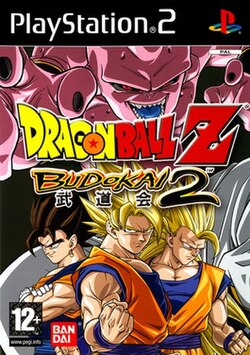 Dragon Ball Z: Budokai on PS2
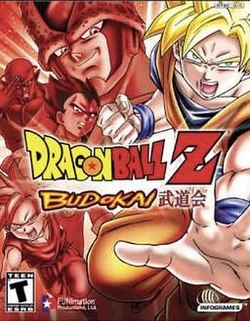 Dragon Ball Z: Infinite World on PS2
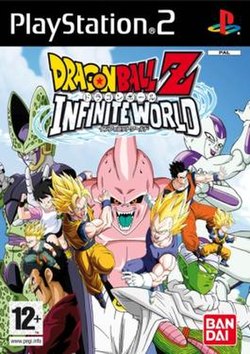 Ultraman Fighting Evolution on PlayStation
 ACA Neo Geo: Art of Fighting 2 on Xbox One
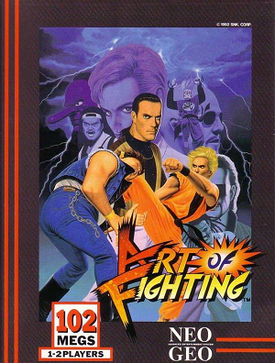 ACA Neo Geo: The King of Fighters '98 on Xbox One
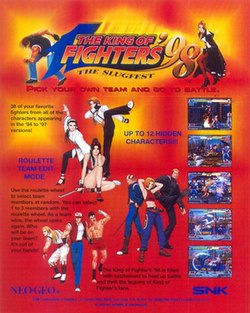 Touhou Hyoibana: Antinomy of Common Flowers on Switch
 Dragon Ball Xenoverse 2 on Xbox Series X/S
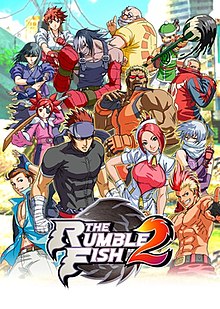
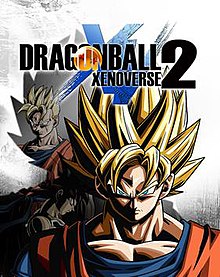 The Rumble Fish 2 on PS5
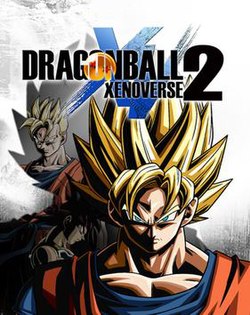
 Dragon Ball Xenoverse 2 on Switch
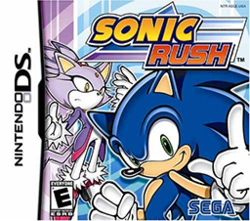
 Sonic Rush on DS
 Freedom Wars Remastered on PS5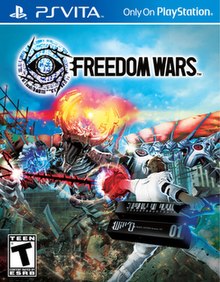












 Another SquareThought Site