

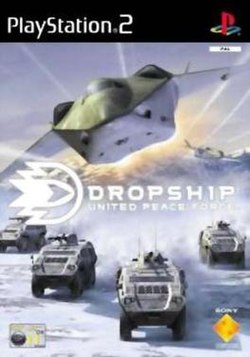

Dropship: United Peace Force arrives at a peculiar intersection of earnest military simulation and Saturday-afternoon science fiction. Set in the not-too-distant year 2050, it casts the player as a pilot in the United Peace Force, a multinational outfit charged with stamping out terrorism and organised crime across a globe that looks like the future according to a mildly conservative textbook. This is not the gleaming, ridiculous futurism of hover skateboards and robot butlers; rather, Dropship prefers the kind of future that still reads the flight manual aloud. The pedigree is interesting. Developed by SCEE Studio Camden, the team was once part of Psygnosis and was absorbed into Sony during the project's development. Dropship is effectively Camden's swan song before being folded into London Studio, and it shows the studio trying to reconcile ambition with the plain realities of the PlayStation 2 era. Critics were generally kind: Metacritic sits in the high 70s, and most outlets landed in the 7-to-8 range. Those numbers are a good shorthand. Dropship is competent, often clever, and occasionally frustrating in the way that any respectable flight sim can be. If you remember the 1990s magazines that took their lens flares and throttle quadrants very seriously, imagine one of them had been asked to adjudicate the civics of aerial peacekeeping in 2050. You would get something like this.
At the heart of Dropship is a pleasingly practical approach to air combat. The game's vehicle roster contains a range of machines you would expect: agile fighters built for dogfights, lumbering transports designed to lug precious cargo into a hot zone, and even ground vehicles such as armoured personnel carriers for levels that want you to touch down and rub shoulders with infantry. A signature mechanic is the VTOL capability of many aircraft. You can transition into a hover, sink gently to the deck, and attempt the manual landings that make lesser games dissolve into button-mashing despair. The hover is not a gimmick; it is built into mission design and mission success. Missions themselves lean toward the cinematic but stay tethered to tried-and-true objectives. Low-level infiltration runs will have you hugging terrain to avoid radar, while escort duties put your flying skills at the mercy of vulnerable craft that refuse to obey the laws of common sense. There are cargo transports to pick up and drop off, and precision is rewarded: a badly executed landing can turn a high-stakes supply mission into a one-way trip for your payload. The weaponry feels like it occupies the cold middle ground between fantasy and realism. Missiles and guns behave in ways players who have flirted with contemporary military hardware will recognise, but nothing here requires an engineering degree to understand. Controls are honest rather than flashy. The game does not pretend to be an aerobatic playground; it asks you to respect flight envelopes, manage your speed, and pick your engagements. Some reviewers called the controls 'fair', which is about the nicest way to say 'not perfect but usable' in a trade magazine. There are moments when the frame-rate or camera quirks conspire against you, and certain levels balloon in difficulty around the halfway mark, an observation echoed by a handful of contemporary critics who reported being stuck well into the campaign. Drop-in difficulty spikes can be exasperating, but they also make victory feel hard-won when you finally pull off a clean extraction. The single-player focus keeps the experience tightly curated: there is no multiplayer chaos to dilute the designers' intent, just a string of set pieces and missions that expect you to read the map and behave like someone who knows the difference between a runway and a river.
Visually, Dropship is a textbook PlayStation 2-era effort: competent geometry, utilitarian textures, and the occasional landmark that looks like it was sculpted by someone who had once seen the ocean. The environments favour functionality over flourish, which suits the game's sober tone. Aircraft models are recognisable and not embarrassingly cartoonish; they possess a weightiness in flight that the camera sells well when you move from cruising to hover. Far-off vistas lack the sophistication of later generations, but close-up cockpits and landing sequences carry enough detail to make you believe you are at the controls. The game's aesthetic shines brightest when it resists the urge to be futuristic for futuristicness' sake. Weapons and vehicles feel like an extrapolation of existing military hardware rather than wild leaps into lunacy. This is an important creative choice: it allows the player to feel credible as a member of a multinational peace force rather than a character in an overblown pulp serial. Sound design and music are terse and functional; composer Alastair Lindsay's score does its job without trying to rewrite the rulebook for heroic fanfare. On occasion, pop-up and draw-distance issues will remind you that you are working within the constraints of a 2002 console, but those are mostly inconveniences rather than deal-breakers.
Dropship: United Peace Force is the kind of game reviewers in the late 1990s and early 2000s used to call a 'sleeper' - competent, carefully designed, and not desperate for attention. It lacks the polish and technical dazzle of the headliners of its era, but it makes up for that with steady design choices, a mission structure that rewards patience, and a believable vision of a near future where VTOLs are part of regular peacekeeping logistics. It is not an arcade shoot-'em-up and not a full-blown sim; it sits between those poles and comfortably so. If you are coming to Dropship for heart-stopping spectacle, you may be disappointed. If you like measured challenge, mission variety, and the satisfaction of nailing a tense hover-landing under fire, you will find plenty to enjoy. The game's generally favourable critical reception reflects that balance: enough strength in concept and execution to recommend, with a few rough edges that keep it from ascending to classic status. Consider this a solid buy for anyone interested in air-combat that treats the future with a sensible briefcase and a firm handshake.
 Thunder Force V on PlayStation
 Commandos: Strike Force on PS2
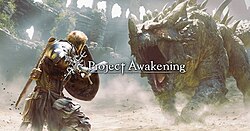
 Project Awakening on PS4
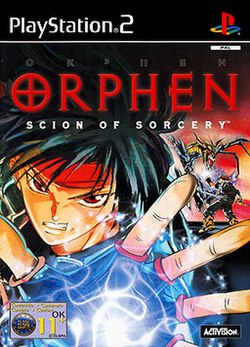
 Orphen: Scion of Sorcery on PS2
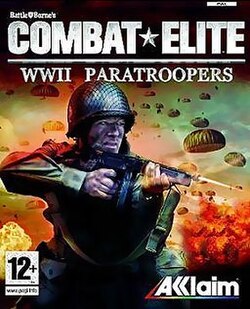
 Combat Elite: WWII Paratroopers on PS2
 Air Combat on PlayStation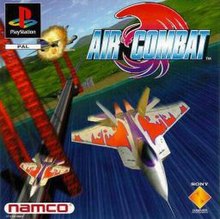












 Another SquareThought Site