

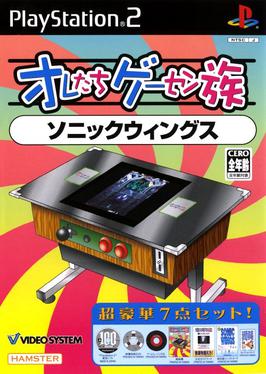

If you grew up thinking that arcade cabinets were altars and joysticks were tiny scepters, Hamster Corporation's Oretachi Gēsen Zoku series is basically a pilgrimage in a cardboard box. Volume 17 in that pilgrimage is Pooyan, a 1982 Konami arcade oddity that somehow became one of those games you hum to yourself when you're stuck in traffic and remembering simpler times (i.e., a time when the worst possible microtransaction was a malfunctioning quarter slot). This PS2 release is not a remake with glossy shaders and 4K upscaling; it's an emulated slice of arcade history, wrapped in Hamster's collector-friendly packaging. For ¥2,000, you don't just get the game disc - you get the kind of physical extras that make modern collectors swoon: a miniDVD full of trailers and a 'Masterplay' video, a mini CD with the original soundtrack and Super Sweep remixes, booklets that nerds will call 'reference material' and the rest of the lovingly curated swag that says, 'Yes, this came from an era when manuals still mattered.'
Pooyan is the kind of arcade game that feels like the result of a very focused brainstorming session in which someone said, 'What if we had wolves, balloons, and a deeply committed pig protagonist?' The original Konami arcade blueprint is preserved here: bite-sized stages, predictable but charming enemy patterns, and a soaring difficulty curve that rewards pattern recognition more than finger dexterity. The PS2 release plays the role of faithful archivist - it's not trying to reinvent the wheel, it merely polishes it and hands it back with a knowing wink. Gameplay loop is simple, which is part of Pooyan's stubborn charm. You'll find yourself doing the same few things over and over, but with the tiny escalations in speed and aggression that make '80s arcade design insidiously addictive. The controls are uncomplicated and intentionally rigid - think less modern twin-stick freedom, more single-minded arcade purpose. This is a high-score chaser in the purest sense: learn the timing, memorize enemy spawn patterns, and eke out a few extra points by being slightly braver than your last attempt. The PS2 emulation preserves that old-school rhythm, which means sessions are short and intense and end either in triumphant survival or the crushing embarrassment of a one-credit death. Hamster's inclusion of a Masterplay video on the miniDVD is a delightful practical joke on pride: watch an expert breeze through levels you thought were your personal nemesis and then try not to feel both inspired and mildly ashamed. The mini strategy guide in the box is useful too, because Pooyan rewards small optimizations - a slightly earlier shot, a different positioning on a particular screen - and the guide makes those optimizations feel like little hacks into arcade logic. This release isn't about complex mechanics or narrative; it's about crisp execution, memorization, and the particular kind of satisfaction that comes from beating a screen that previously seemed designed solely to humble you. A modern player expecting depth might feel underwhelmed, but that's missing the point. Pooyan's charm is its dedication to simple systems and the personality dripping from its pixel sprites. If you approach it as a curator's edition - a museum exhibit you can squabble with for high scores - the game delivers. If you're expecting a multi-hour epic or modern conveniences like rewinds and difficulty sliders aplenty, you'll find Pooyan refreshingly stubborn about staying true to its arcade roots.
The graphics here are gloriously honest about their origins. This is vintage Konami pixel craft preserved in its original aspect ratio and color palette, with no attempt to prettify or mask the blocky glory of CRT-era sprites. If nostalgia had a visual form, it would be these sprites: limited animation, bold colors, and a clarity of purpose that modern games sometimes hide beneath layers of effects. On a big TV, those pixels wear their age like a retro band tee - slightly faded, but treasured nonetheless. Hamster's emulation handles the transition to PS2 hardware without drama. There isn't any modern anti-aliasing to smooth out the rough edges; instead you get a faithful port that feels like playing the original cabinet with slightly better image stability and the comfort of a home console. The miniDVD and soundtrack extras add to the presentation, especially the arranged tunes by Super Sweep on the mini CD, which recontextualize the simple arcade melodies into something that can stand on its own in your playlist (yes, you'll probably find yourself humming them later). The inclusion of a replica display card and collection card is a lovely tactile touch for people who like their retro experiences to come with collectible ephemera. If there's a complaint, it's that the graphics can feel, well, small. Pooyan's stages don't offer sweeping vistas or intricate backdrops; the visuals are functional and charming, not breathtaking. That's not a failure so much as a design choice. If the pixel style is your thing, you'll smile at every little animation. If you're used to modern visual storytelling, the game's look might feel like a museum exhibit you're admiring from behind a velvet rope.
Oretachi Gēsen Zoku: Pooyan on PS2 is the kind of release that exists to make collectors and retro enthusiasts whisper delightedly at their shelves. Hamster Corporation has packaged an honest emulation of Konami's 1982 arcade title with enough physical goodies to justify the purchase for anyone who still loves the idea of video game releases doubling as memorabilia. The gameplay is simple and unforgiving in that classic arcade way; if you love high-score chasing and learning enemy patterns, this is a tidy, addictive little nugget of gaming history. For the casual modern player expecting deep mechanics or a long campaign, Pooyan will probably feel quaint and brief. For ¥2,000, you're paying as much for the lovingly curated experience as you are for the game itself. The miniDVD's Masterplay, the soundtrack CD (complete with Super Sweep arrangements), and the printed materials elevate the package from 'just an emulation' to 'a collector's statement.' That said, the game's longevity is limited to how much you enjoy short, repeatable arcade stages and the very particular joy of chasing scores. I give it a 7/10: an affectionate, well-made piece of retro preservation that knows what it is and leans into it with style. If you've got a soft spot for pixel-era antics and the patience to learn old-school patterns, Pooyan on PS2 is a tiny, stubborn gem worth keeping on your shelf - preferably next to a packet of quarters and a sacrificial joystick.
 Press Your Luck on PS3
 Oretachi Game Center Zoku: Trio the Punch on PS2
 Game Dev Story on PS4
 Ninja Assault on PS2
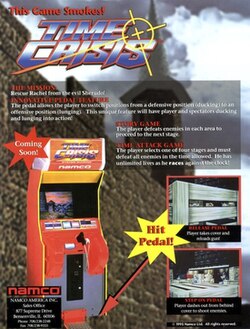
 Time Crisis on PlayStation
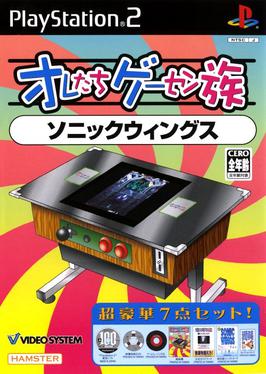
 Oretachi Game Center Zoku: Sonic Wings on PS2
 Oretachi Game Center Zoku: Scramble on PS2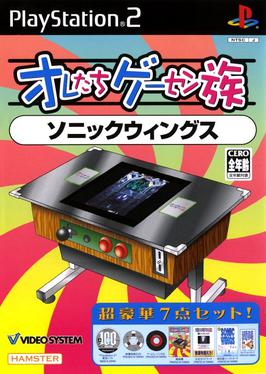












 Another SquareThought Site