



In an age when licensed tie-ins were either cash-grabs or secret delights, Peter Pan: The Legend of Never Land arrives with the sober air of a respectable European export. Developed by British newcomer Blue52 and distributed by Sony Computer Entertainment for the PlayStation 2, the game trades on the well-worn charms of Disney's 1953 Peter Pan and its sequel, Return to Never Land. Its premise is simple and old-fashioned in the best possible way: Captain Hook, in possession of a newly uncovered secret of Never Land, plots to deprive the island of its pixie dust-and the player is invited to intervene. The title marks Blue52's first foray into retail software (the studio would later evolve into what publisher Curve Games is known for), and the result is a game that wears its influences like a schoolboy's practical jacket-sturdy, serviceable, and not without loose threads.
The Legend of Never Land follows the classic, linear template familiar to anyone who cut their teeth on late-'90s and early-2000s platformers. The narrative hook-Hook's scheme to strip Never Land of its pixie dust-functions primarily as a reason to move from one set-piece to the next. Levels are themed to the various corners of Never Land and, while the manual and packaging make ample use of licensed art, the in-game structure is predictably uncomplicated: run, jump, solve modest puzzles, and dispatch Hook's cronies until you reach the next marquee encounter. Blue52 is careful not to overreach. The design favors modest ambition over wild experimentation. Combat is light and deliberately arcade-like; brawls against pirates and native fauna are punctuated by simple combos and dodge mechanics rather than deep systems. Platforming is the engine that keeps the game running-the developers have peppered stages with gaps to test your timing, shifting platforms, and occasional vertical gauntlets that demand patience more than dexterity. Puzzle elements exist primarily to vary the tempo: lever-pulling, timed sequences that ask you to ferry items, and environmental riddles that are easy to read from the playfield. None of these mechanics will stop a seasoned gamer in their tracks, but they are serviceable for younger players or those seeking a gentle nostalgia trip. The game hints at variety with small diversions-sections where flight or gliding through starry skies replaces ground-based platforming, and stealthy stretches where getting seen by Hook's sentries complicates matters. These moments are brief and often feel like forced novelty rather than fully realized alternatives. Checkpoint placement errs on the forgiving side, a consolation for the occasional unevenness in collision and hit detection that crops up when the camera betrays you. The camera itself is the game's most noticeable design concession to the era: it is competent enough but will stubbornly hug a suboptimal angle at times, making jumps and enemy approaches trickier than they ought to be. The pacing is textbook licensed-game pacing. Levels are short enough to be digestible in a sitting, but they add up; the whole experience is unlikely to overstay its welcome. Replayability is built around collectibles-pixie dust fragments, treasure chests, and a handful of secret areas-rather than branching narrative or alternate endings. There is a pleasant sense of fidelity to the source material in set pieces and enemy types, even if the writing rarely aspires beyond platitudes. For collectors and fans, the moments where the game leans into the film's iconography deliver genuine warmth; for everyone else, the experience is a competent, mildly charming platformer with a distinctly constrained ambition.
On the PlayStation 2, Peter Pan: The Legend of Never Land is neither a showy demonstrator nor a technical embarrassment. The art direction leans on Disney's established palette-luscious greens for the island, smokey greys for Captain Hook's Jolly Roger-producing environments that are colorful and recognizably cinematic. Character models are serviceable, with the principal figures readable at a glance, though they lack the subtlety and fluidity seen in higher-budget licensed titles of the era. Textures can be flat up close and pop-in is occasionally visible; draw distance is modest, and some stages exhibit the low-polygon geometry that was common in many mid-range PS2 releases. Animation is workmanlike. There are moments of charm-Peter's jaunty posture and the pirate's exaggerated flailing are inoffensive and sometimes amusing-but the range of motion feels limited, and transitions between animations can be abrupt. Lighting is used to tidy up scenes rather than to astonish; clever palettes and occasional bloom effects give some locations a pleasant, storybook sheen. The UI and HUD are clean and uncomplicated, favoring clarity over fashion. Flaws aside, the overall visual package communicates the world of Peter Pan and never loses sight of its audience: a family-friendly presentation that trades polish for consistency. Where the game does not excel it at least remains readable. Even when framerate dips occur during busy scenes, the core experience does not collapse. For a Europe-exclusive PS2 title developed by a fledgling studio, the graphics hit the pragmatic sweet spot: they look like a licensed Disney product, they run, and they do not insult the intelligence of anyone who remembers the pre-HD era fondly.
Peter Pan: The Legend of Never Land is the kind of licensed game that, in less charitable hands, might have been worse-but in slightly more ambitious hands could have been better. It is a tidy, conservative platformer that prioritizes accessibility and faithful branding over risk-taking and mechanical depth. Blue52's first outing is competent and occasionally charming; the title will warm the hearts of younger players and collectors who crave anything that evokes Disney's Never Land. Hardcore platforming fans looking for a system-rattling challenge or a revolutionary take on the source material will be left wanting. The game's European exclusivity, while not uncommon for the time, makes it a curiosity for players elsewhere-a boxed reminder of an era when regional releases and licensed nostalgia were a common part of the console landscape. If you approach Legend of Never Land as a modest, family-oriented jaunt through familiar scenery, it rewards with a few sweet set-pieces and a respectable, if unambitious, set of mechanics. Score: 6 out of 10. Recommended for fans and completists; experienced players should try before they buy unless they're collecting dustier corners of PlayStation 2's library.
 Never Stop Sneakin' on Switch
 Mr. Driller Drill Land on Xbox Series X/S
 Tintin: Destination Adventure on PlayStation
 One Piece Grand Adventure on PS2
 Taiko no Tatsujin: Dokodon! Mystery Adventure on Switch
 Onimusha: Dawn of Dreams on PS2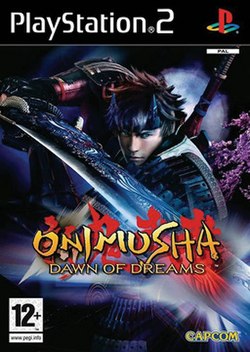












 Another SquareThought Site