



If you grew up thinking pinball was just a noisy way to feed coins to an ungenerous machine, the PS2 'Pinball' experience tries to prove you wrong - or at least makes you pay for your hubris. This isn't a racing game where you can grind levels; it's a distilled exercise in physics, timing, and low-grade violence against steel balls. The PS2 versions of pinball-style games and simulations take the literal arcade tabletop and translate it to a controller and TV, and because the original game of pinball spent more than a century evolving into a machine of ramps, magnets, and sometimes questionable morals, the digital translator's job is to keep the challenge intact. This review zeroes in on what matters most: how demanding the game is, what skills it asks of you, and whether the learning curve is worth the bragging rights.
At its mechanical core, pinball is glorified billiards: one small metal ball, a slanted wooden (or digital) plane, and a handful of levers and targets that either reward or betray you. The PS2 take is faithful to that skeleton. The primary skill ceiling is flipper mastery. Timing is everything - you quickly learn that button mashing is for amateurs and that deliberate, well-timed presses deliver velocity, angle, and spin. The game's flippers emulate real-world behavior: a power impulse to launch the ball skyward and a weaker hold winding to keep the flipper up for trapping the ball. Mastering the two-stage flipper technique (tap for soft redirect, hold for traps and controlled passes) is the first rite of passage. A surprisingly large chunk of the challenge comes before the flippers even touch the ball. Plunger control and the 'skill shot' mechanic reward you for spacing your launch so the ball hugs a rail, clips a target, or dips precisely into a ramp. In arcade life you pull a spring; on PS2 you hold and release a button while the camera lovingly follows the chrome sphere. Nailing these launches gives you early advantages - lit ramps, multiball locks, or instant score multipliers - and missing them turns promising runs into faceplants. Then there is 'nudging' - the fine art of shaking your destiny in tiny increments without tripping the tilt. The digital tilt system mirrors the physical machine's warnings: shove too hard and the game takes away your flippers, obliterating any hope of recovery. This creates a delicious tension. Skilled players learn to impart subtle momentum with well-timed tap inputs or analog nudges (if supported), salvaging otherwise doomed shots. It's risk management at arcade speed: a well-judged nudge can convert a draining ball into a ramp shot and a multi-million point combo; a reckless one ends the ball and your dignity. Target selection and planning separate casual button-clickers from the players who study the playfield placard. Modern pinball - and any decent PS2 simulation that bothers to be honest - layers multiple objectives: light a sequence of rollovers, hit a bank of drop targets to enable a ramp, then lock balls for multiball to chase the jackpot. The real skill is sequencing. Good players stack modes, initiating one timed mode while another is still running so that the two overlap and the points multiply like greedy rabbits. The game's ruleset often rewards premeditation: don't just hit shiny things, hit them in the right order. Multiball provides both glory and chaos. When two or three balls are in play the noise spikes and so does the cognitive load. You must prioritize targets, herd balls into jackpots, and dodge the panicked bouncing off pop bumpers. Pop bumpers are little chaos engines; they'll fling your ball in unpredictable directions and punish sloppy flipper posture. Good PS2 pinball sims keep pop bumpers true to life, demanding rapid switching between offensive shots and defensive saves. Trapping and controlled passes are an advanced set of skills. Holding a ball on a flipper (trap) gives you time to aim a precise shot - to thread a ramp, hit a spinner, or drop the ball into a scoop. Execution requires muscle memory and a calm thumb; the digital version's input lag and physics fidelity determine how satisfying trapping feels. A faithful simulation rewards players who can think two shots ahead and maintain composure when the playfield throws a surprise - like an electromagnet that halts the ball mid-flight or a temporarily raised stopper that blocks your usual lane. Finally, the endgame and scoring systems elevate the strategic element. Wizard Modes - the boss fights of pinball - require you to complete a chain of objectives to unlock an all-systems-go scoring frenzy. Reaching these modes on PS2 demands not just reflexes but a study of the placard and a plan executed across multiple balls. The scoring inflation of modern machines means that precise combo play, not brute force, wins. That makes the gameplay loop profoundly satisfying: every small improvement in timing or routing compounds into huge score gains. If you're the kind of player who likes to be ruthlessly punished for sloppy play and rewarded for sharp thinking, this version of pinball will feel like a gym for your thumbs and your brain. If not, the steep learning curve can feel like a public shaming. Either way, the challenge is real and unapologetic.
Visually, PS2-era pinball simulations are pragmatic rather than photorealistic. The priority is clarity: bright lanes, clearly lit ramps, visible target states, and an easy-to-read score display (dot-matrix or simulated LCD). The era's hardware limits mean the game trades some physical texture detail for crisp animations and readable feedback - which is exactly what you want when 99.9% of your reactions depend on seeing which lane lit up a millisecond ago. Animations for multiball, jackpot flashes, and backbox sequences are designed to communicate rather than to awe. The digital playfield sometimes adds helpful visual cues that a real machine can't: trajectory lines on practice mode, slow-motion replays of near-misses, and HUD hints about lighted objectives. These tools lower the barrier for learning advanced strategies without neutering the core skill set. When physics and lighting are done right, the ball feels like a piece of polished steel obeying believable laws of motion - the single most important graphic illusion in a pinball game. If the PS2 title you play skews the ball physics or introduces sluggish input-to-flipper response, the whole challenge unravels and everything becomes guesswork rather than mastery.
Pinball on PS2 is less about flashy visuals and more about the cold, joyful grind of skill acquisition. The game's challenge architecture is beautifully old-school: timing, planning, and discipline beat luck more often than not. You learn to pull the plunger with purpose, to nudge with care, to trap and aim like a surgeon with a honed thumb. Multiball and wizard modes provide spectacular payoff for the patient player who invests the practice time to understand sequence and stacking. If you're energized by route memorization, risk management (tilt!), and microsecond flipper timing, this is a satisfying, sometimes brutal test of hand-eye coordination and strategy. If you expect an instant thrill ride with loot boxes and checkpoints, pinball will punish your impatience - and then give you the best kind of reward: the knowledge that your score was earned, not bought. Now go practice that skill shot; the machine is merciless but fair.
 True Pinball on PlayStation
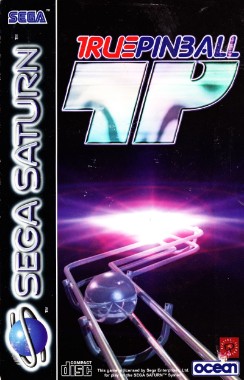 Pinball Hall of Fame: The Williams Collection on PS3
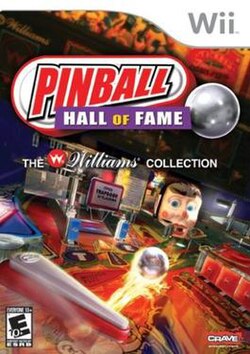 Pro Pinball: Fantastic Journey on PlayStation
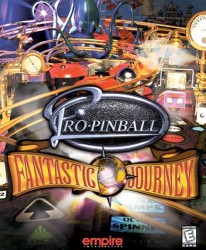 Oretachi Game Center Zoku: Rabio Lepus on PS2
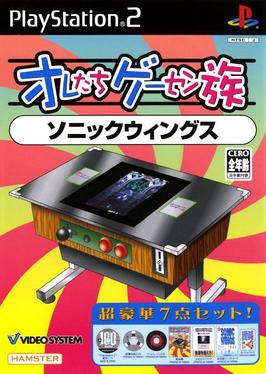 Oretachi Game Center Zoku: Nekketsu Koukou Dodge Ball Bu on PS2
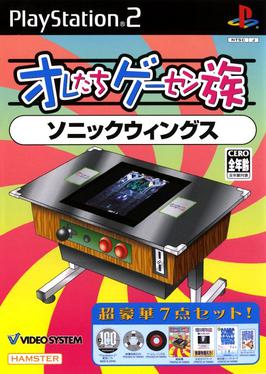 Oretachi Game Center Zoku: Trio the Punch on PS2
 Ninja Assault on PS2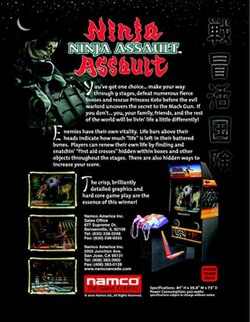












 Another SquareThought Site