

 Sep 2015


Infinite Stratos 2: Love and Purge is one of those games made with a very particular audience lovingly (and loudly) in mind: people who watched the anime, fell for at least three different characters at once, and think a high-school filled with weaponized exoskeletons is the perfect setting for awkward romance. Released in Japan for PlayStation systems on September 3, 2015, Love and Purge follows in the footsteps of earlier IS games (5pb.'s Ignition Hearts among them) by doubling down on what the franchise does best - equal parts mecha spectacle, romantic entanglement, and fan-servicey hijinks - and wrapping it in a polished, menu-heavy package. The Infinite Stratos universe is delightfully silly on purpose. The setup is absurd and brilliant: the Infinite Stratos (IS) suits are the future's coolest powered exoskeletons, and for reasons nobody bothered to make boring men understand, only women can operate them - with one very inconvenient exception: Ichika Orimura, the accidental male pilot who gets tossed into IS Academy like a human spotlight. The game's cast reads like a harem checklist with advanced weaponry: childhood friend Houki, aloof aristocrat Cecilia, secret-keeping Charlotte, fiery Lingyin (a.k.a. Ling), tactical Laura, mischievous Tatenashi, the shy Kanzashi, the ex-legendary pilot homeroom teacher Chifuyu, and the lab-coat-crazy genius Tabane. If you know the anime, you already have an emotional investment; if not, prepare to be introduced to a ridiculous roster of memorable personalities and mech designs.
Love and Purge wears two hats. The first hat is the visual novel/dating-sim hat: you spend a lot of time in corridors, classrooms, and scenic outdoor spots choosing dialog options, triggering character events, and juggling the feelings of an entire academy's worth of potential girlfriends. Choices branch the story into different routes - the classic harem game mechanic - and if you're an obsessive completionist, the game is basically permission to sink hours into replaying dates, unlocking new scenes, and hoarding affection meters like a romance-driven hoarder of digital hearts. The second hat is the IS suit hat. Between the cutscenes and confessions, the game throws you into mecha skirmishes that are a lot simpler than a full-blown mech sim but way more satisfying than watching two models pose. Combat is arcade-ish: flashy abilities, signature moves (you will be using by-now-familiar attacks like Houki's katana flurries and Cecilia's long-range lasers), and tactical positioning that matters mostly for spectacle and timing. It's not Dark Souls with a booster pack - it's a fan-servicey arena where combos look pretty and enemies go flying. If you came expecting depth rivaling hardcore mech games, prepare to be politely disappointed; if you came wanting to pilot a mech, hear your favorite seiyuu scream your name and then watch an enemy get launched into orbit, you're in the right place. Controls and pacing skew toward accessibility. The PS3 controller handles the action well enough; special attacks map to convenient buttons so you can feel like a badass without memorizing six-page move lists. The more frustrating gameplay moments come from dialogue-heavy sections where pacing slows to a glacial crawl - the game is, at its heart, a story machine. That said, the writing does a decent job juggling comedy, romance, and the occasional serious note about Phantom Task and the more shadowy IS politics. The game also peppers in fan-pleasing events: school festivals, sleepover sequences, accidental shower revelations (this is an IS property, after all), and mecha duels that let you show off your upgraded units. Progression feels satisfying but somewhat padded. You level up relationships more than stats; upgrades exist, but they're tools to make fights prettier and cutscenes rarer, not to fundamentally change the experience. There's a replay loop that rewards you with new story branches, alternate endings, and unlockable assets like character artwork and voice clips. The result is a game that knows who it's for: die-hard fans of the anime will get the most out of the narrative payoffs, while newcomers can still enjoy the melodrama, the spikes of action, and the sheer audacity of a world where a male protagonist has to navigate being both a national curiosity and an accidental heartthrob.
On the visual front Love and Purge tries to be two things at once: pretty like an anime, and flashy like a mech showcase. The character portraits are crisp, expressive, and fully voiced - which always helps when someone confesses their feelings mid-battle and you need the voice actor to sell it. CG event scenes are typically well-composed, leaning into the series' bright palette and dramatic poses. The mecha models in battle have a satisfyingly solid feel; explosions look decent, special effects pop, and combos create those slow-mo, 'did I just win a romcom and a gunfight at the same time?' moments. However, this is a PS3 game released in 2015, and hardware limitations are visible if you squint. Frame rate dips can happen during the most crowded action scenes, textures sometimes read as a bit soft, and environmental detail is often sacrificed for clarity in cutscenes. None of these are dealbreakers - the game's art direction lifts it up more than the technical scaffolding drags it down - but if you're used to modern high-fidelity mecha visuals, you'll notice the age. On the plus side, character animation in still scenes and the attention to facial expressions give the narrative moments emotional weight; in terms of presentation, the game is still a love letter to fans, even if it's not the most technologically ambitious one.
Infinite Stratos 2: Love and Purge is exactly the sort of game that will make a fan grin, sigh, roll their eyes, and then immediately load the next route. It is not an objective masterpiece - the gameplay is comfortable rather than revolutionary, and the visuals show the PS3's years - but it does an excellent job of delivering the core pleasures of the franchise: lovable (and occasionally terrifying) characters, big-mech moments, and the weird joy of a school where romance and orbital launches coexist. If you are the kind of person who liked the Infinite Stratos anime for its combination of heartfelt awkwardness and mecha battles, this game practically exists to validate your life choices. If you prefer your games to be less talky and more mechanically demanding, Love and Purge might feel too story-heavy. For a PlayStation 3 title based on a harem-mecha property, however, it hits the mark: it's charming when it wants to be, ridiculous when appropriate, and surprisingly touching at times. Consider it a catered banquet for IS fans - bring tissues for the feelings and a sense of humor for the rest. Score: 6.5/10 - solid, fun for believers, and a guilty pleasure you'll happily admit to once the credits roll.
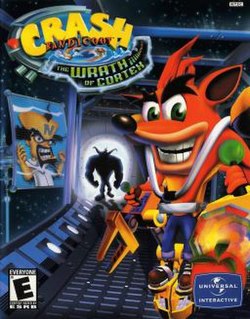
 Crash Bandicoot: The Wrath of Cortex on PS2
 Ōkami on PS2
 MLB The Show 22 on Switch
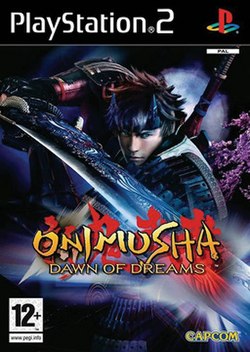
 Onimusha: Dawn of Dreams on PS2
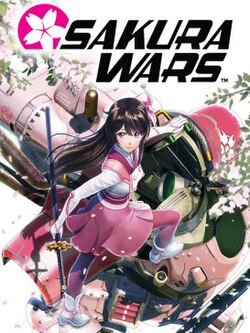
 Project Sakura Wars on PS4
 Action Man: Operation Extreme on PlayStation
 Combat Elite: WWII Paratroopers on PS2
 Robotics;Notes on PS3
 Memories Off Historia Vol. 1 on PS4
 Chaos;Head Noah / Chaos;Child Double Pack on Switch
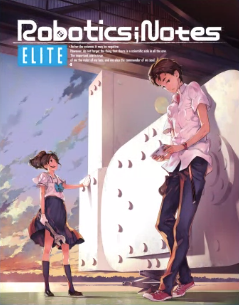
 Robotics;Notes Elite on Switch
 Dunamis 15 on PS3










 Another SquareThought Site