

 Aug 2025
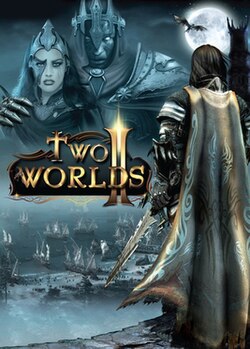

When a sequel arrives with the quiet confidence of a three-horned warbeast and the charm of an unpolished brass instrument, a reviewer trained in the blunt instruments of the 1990s is obliged to take notice. Two Worlds II is that sequel: a sizable, earnest, occasionally brilliant action-RPG that remembers what it liked from the genre's heyday and attempts to graft modern ambitions onto a robust, if somewhat creaky, frame. Reality Pump, the Polish studio that produced the first, much-maligned Two Worlds, has returned with a game that courts scale-open vistas, multiple continents and islands, naval passages, a horse to ride-and an appetite for systems, especially crafting and magic, that will keep the adventurous busy long after the opening credits have been forgotten in the bottom drawer. The PlayStation 3 edition of Two Worlds II lands as a curious hybrid: it aspires to the sweeping, open-world fantasies of its contemporaries while stubbornly retaining the eccentricities of an older school. It gives the player a face, a body, a beginning level but no class shackles; you are entrusted with the freedom to grow as you see fit. The game is not flawless and on consoles the technical roughness is glaring at times. Yet the craft underneath-ill-thought, lovingly assembled, occasionally inspired-refuses to be dismissed outright. This is an RPG that expects you to tinker, to loot, to experiment, and to laugh at its own more theatrical moments.
Two Worlds II opens with what one might call a traditional premise; imprisonment, an ominous emperor, and the hint of world-scale calamity. The narrative quickly hustles you out into Antaloor, where the game's appetite for systems and exploration takes over. From the first save file the player is allowed to custom-tailor the protagonist's face and body-this is the 1990s reviewer in me applauding: characters that look like they might have lived a life beyond the opening cutscene. Character progression eschews rigid classes. Instead of selecting "warrior" or "mage" and being chained to it, you earn skill points and allocate them across four core attributes: endurance (health and melee durability), strength (close combat prowess), accuracy (ranged combat), and willpower (magical aptitude). This approach is straightforward and forgiving; it invites hybrid builds and second thoughts. If you wake up one morning intent on becoming a spell-casting archer you may well pull it off. The game even allows stat respecs for a fee, a merciful mechanic for those of us who discover halfway through a 40-hour campaign that our choices were suboptimal. Exploration is the show-stealer. Antaloor is not a corridor; it is a continent with islands, deserts, jungles and swamps. Early on you are given access to horseback travel and, later, a boat. Fast travel is handled through magical teleportation devices dotted around the map, a welcome convenience when the territory is large enough to need it. The world is populated from the outset; you can aim for distant objectives almost immediately, but the high-level denizens of some regions provide a stern reminder that freedom without caution is a recipe for a callous death screen. This is a game that rewards preparation and curiosity in equal measure. The crafting system is the pride of Two Worlds II. It converts the eternal tide of loot-trash that other games would consign to a vendor-into meaningful choices. Materials are scavenged, bought, or stripped from equipment, and they can be used to forge and upgrade weapons and armor, or to concoct bombs, traps and potions. Potions provide healing, mana, temporary buffs, or even hostile poisons you can fling at foes. The spellcraft is particularly involved: part recipe book, part chemistry set. You may mix components, name your creations, and document results. Critics at the time praised this system, and rightly so: it makes scavenging feel less like busywork and more like experimentation. Combat is a blend of real-time action and RPG weight. Swords, axes, bows and spells all have a place and special combat maneuvers offer some tactical flourish. Stealth and sneaking are present, as are blacksmithing and other trade skills. The ability to mix-and-match abilities keeps combat fresh; a dozen fights can still feel distinct if you switch from brute-force melee to a summoned inferno. Multiplayer in Two Worlds II sits in a different room to the single-player game. When you step into online modes you create a new character exclusively for multiplayer. Adventure mode, the main cooperative offering, provides seven maps for up to eight players and rewards persistent progression. Village mode is a curious addition: amass 10,000 auras (the game's currency) and you can claim a plot of land, build a village, and generate resources. PvP is present too, with duels, team deathmatches, and objective modes like crystal capture. The multiplayer systems demonstrate a seriousness of design: they are substantial, separate and not a tacked-on afterthought. Quests run the gamut from the mundane to the theatrical. The story ventures across diverse locales-desert suites, swallowed cities, swamps-and introduces a rogues' gallery of characters: prophets, masked rogues, power-hungry emperors and the odd dragon in disguise. The narrative is not aiming for Shakespeare; it wears a self-aware, sometimes tongue-in-cheek tone that can be charming. Some will find the plot serviceable if unremarkable, while others will appreciate the humour threaded through encounters and dialogue. This self-awareness softens the blow where the writing is otherwise conventional. There are design missteps. Menus and quest logs on the PS3 are awkward to navigate, and the console's interface occasionally feels like a PC system shoehorned into a controller world. These annoyances, while not fatal, do chip away at the momentum on occasion. Technical bugs and glitches further complicate matters on the PS3; they do not entirely ruin the experience, but they will test the patience of players who expect a polished console ride.
Two Worlds II is powered by the GRACE engine, and its ambitions are visible in the vistas and environmental variety. On a good run the game presents broad horizons, convincing foliage, and landmark structures-ruined capitals, imposing castles, and jagged coasts-that make the world feel lived in. Character models are serviceable and, after later engine improvements, benefit from higher detail. The art direction leans toward the rugged and medieval-fantasy cliché, but with enough personality to keep it from feeling derivative. The PlayStation 3 version, however, suffers from several technical shortcomings that cannot be ignored. Console reviewers flagged tearing and frame-rate stutters as distracting; on the PS3 these problems are more pronounced than on the PC. Such issues can sap the immersion when a dramatic set-piece becomes more of a slideshow with intermittent explosions. Menu navigation and quest presentation were criticised as awkward and "difficult to navigate," meaning that the game's systems sometimes fight you as you try to use them rather than remain invisible tools. Reality Pump issued later engine upgrades years after release that improved character and landscape detail, added an HD GUI, and introduced more stability and features. These updates are laudable, but they arrived long after many players' first impressions were set. In short: the scenery is often pleasing, the engine capable of grandeur, but the PS3's technical execution at launch was uneven.
Two Worlds II is an RPG of contrasts: generous in ideas, occasionally clumsy in execution. Its crafting and spell systems are some of the cleverest and most rewarding elements to appear in the genre for years around its release. The open world is eager to be explored, full of chests, materials and small dramas. The game's humour and self-awareness give it a voice, and the freedom to mix attributes encourages experimentation rather than cookie-cutter builds. On the other hand, the PlayStation 3 release bears the scars of a studio reaching for epic scale on hardware that demands finesse. Frame rate hiccups, screen tearing, awkward menus and the occasional bug are distractions that sit squarely between player and the game's best moments. The story is enjoyable more for its flourishes and tone than for narrative depth, and the publisher's controversial behaviour surrounding reviews at launch left a sullied aftertaste for some. If you are a patient RPG fan who values a rich crafting system, a wide-open fantasy sandbox and the freedom to tinker with a character until it behaves like a bespoke suit, Two Worlds II on PS3 will grant you many hours of worthwhile play-albeit with the caveat that you will be forgiving of technical rough edges. If you demand the smoothest, most polished console experience available, you may find this one more frustrating than fulfilling. For those who remember the 1990s and still enjoy a game that wears its ambition like a dented crown, Two Worlds II is an imperfect but earnest companion on the road to Antaloor. It is, in short, a seven out of ten: flawed, occasionally exasperating, yet frequently rewarding.
 Toki Tori 2+ on Switch
 Pacific Rim: The Video Game on PS3
 Combat Elite: WWII Paratroopers on PS2
 Onimusha: Dawn of Dreams on PS2
 Action Man: Operation Extreme on PlayStation
 Project Sakura Wars on PS4










 Another SquareThought Site