

 Nov 2011
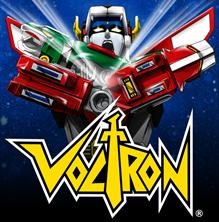

Voltron: Defender of the Universe arrives like a nostalgia-powered cockpit ejection seat - you strap in, the classic theme hums in your brain, and for about five minutes you're convinced you can conquer the universe. The game stitches together three big beats from the original 1980s cartoon - "The Missing Key," "Voltron vs Voltron," and "Zarkon Becomes a Robeast" - into a compact, fan-service-heavy campaign. If you come for lore and character development you'll find a curious hybrid: the game borrows canonical moments and dialogue clips to suggest arcs, but expects your love of the source material to supply much of the emotional weight. As a character study, Voltron is equal parts affectionate homage and shorthand. The five pilots - their personalities distilled into a handful of mission briefings and voice clips - show up like familiar relatives at a reunion: Keith the taciturn leader, Lance the hotshot with a heart, Pidge the schematic-obsessed brain, Hunk the literal and emotional heavy-lifter, and the Blue Lion's pilot who shifts from Sven to Allura during the story. The game trades subtlety for immediacy: it recreates key conflicts so you can stand in the right places of the story, but it rarely pauses long enough to let the pilots breathe and genuinely grow. That said, there is benefit in the game's choices. By compressing plotlines into three distinct acts the developers give each pilot a moment to matter. The "Missing Key"-inspired opening plays like a proving ground for the team - leadership tested, loyalties affirmed. The middle act, riffing on "Voltron vs Voltron," forces the Force to confront their mirror images and, by extension, their flaws: teamwork beats individual swagger (Lance grumbles, Keith proves him wrong). The final act channels the melodrama of Zarkon turning into a robeast - a classic 'boss becomes personal' arc that makes the climactic Blazing Sword feel earned even if the build-up is abbreviated. If you're the kind of fan who keeps the TV series in your spine like a comfort blanket, the game hits sweet spots: original voice clips and remastered music are sprinkled throughout, and Peter Cullen's narration adds an almost paternal framing. There are genuine character moments - the blue lion's pilot swap from Sven to Allura is presented as a little in-joke and a small beat of canonical accuracy that will make long-time fans grin. For newcomers, however, characters can feel like archetypes on rails: clearly drawn, entertaining, but rarely surprising. The storytelling ambition stops at 'faithful adaptation' rather than evolving the pilots into something new for modern audiences.
The core gameplay is a twin-stick shooter dressed in Voltron paint. Most missions put you inside one of the five lions: movement with the left stick, aim with the right, pounce and melee attacks on face buttons. Each lion has its own personality in play - the designers gave them unique specials and slightly different handling - which helps sell the idea that these are five distinct characters, not five identical blaster-shaped mannequins. Ground and space levels reuse these controls with small tweaks, so the learning curve is forgiving and the door is open for cooperative chaos. Co-op is the game's most defensible design decision. Up to five players can share a session (two local players plus online friends), and the moments where human improvisation matters are when the game feels most alive. The survival mechanic during ground missions is a clever twist: when a lion takes too much damage the pilot is ejected and has to survive on foot for ten seconds with a blaster while the lion does maintenance. It's a neat narrative touch - the pilot is vulnerable but resilient - and it opens up opportunities for brief, personal heroics that reinforce the characters as more than meat-sacks for metal mouths. Boss fights are where Voltron tries to be epic and trips over its own ambitions. When the lions combine into Voltron the gameplay pivots to a turn-based, quick-time-event spectacle. One player picks from a set of attacks, others try to center a reticule, and then there's a QTE to either finish the move or defend. It feels like two conflicting design philosophies shoved into a Voltron-sized robot: the arcade delight of lion sequences versus the cinematic but shallow QTE theatre of the Voltron battles. Critics were split for good reason - the lion combat is immediate and often fun; the Voltron segments can feel like watching cutscenes with occasional button prompts. The final Blazing Sword moment is satisfying as a fan-service climax, but mechanically it's more of a celebratory flourish than a skillful gauntlet. Additional systems include collectibles that drop temporary power-ups or extra lives, a downloadable challenge mode that throws endless waves at you, and leaderboards for the completionists who still believe in internet rankings. The game's pacing sometimes reduces story arcs to mission checkboxes, but mechanically the lion sequences mostly work. Survival Mode and the variety of lion abilities make the core loop more interesting than the middling reviews would suggest, but the overall package is uneven: the best parts let you feel like a pilot with agency, while the worst parts treat Voltron itself as a passive finale you watch rather than control.
Visually, Voltron leans into nostalgia rather than glossy next-gen ambition. The environments are serviceable backdrops: nondescript alien plains, asteroid fields, and throne rooms that nod to the show's palette without attempting photo-realism. The lions and Voltron model are faithful enough to the source material that fans will happily recognize every silhouette and color-block. The game's real production polish shows up in the audio: original voice clips from the show and remastered music add emotional resonance that the polygons sometimes lack. Peter Cullen's narration gives scenes a warm, archival sheen. If you expect texture porn or environmental storytelling on the level of AAA blockbusters, you'll be disappointed. The graphical presentation trades fidelity for clarity: everything is readable in the chaos of twin-stick combat, which is the more useful metric for this design. Critics who slammed the game tended to target gameplay pacing and repetitive level design rather than aesthetics; fans tended to praise the nostalgia package - and if throwback audio and faithful models are your thing, the visuals do just enough to support the feelings.
Voltron: Defender of the Universe is a competent, occasionally charming ode to a beloved cartoon that never quite solves the tension between being a fan service museum piece and a cohesive modern game. Its strengths are unashamedly nostalgic: remastered music, original voice clips, faithful lion and robot models, and a few canonical beats that will make long-time fans smile. Gameplay peaks when you're piloting a lion with friends and flailing lasers at robeasts; it flatlines when it forces you into stilted turn-based/quick-time Voltron sequences. The character arcs are present but abbreviated - enough to remind veterans why they loved the team, but not enough to hook newcomers on deeper emotional investment. If you grew up with the theme song in your DNA, this is the sort of affectionate translation you'll enjoy in short bursts. For everyone else, the idiosyncratic blend of twin-stick action and QTE robot theater may feel like an intriguing experiment that didn't fully gel. It's not a terrible time - it's a nostalgic one, with some rough edges. If Voltron fans are the target audience, the game largely hits the mark; if you came looking for a modern narrative-driven mech experience, you'll leave wanting a little more depth and a little less nostalgia karaoke.
 Disney Universe on PS3
 DC Universe Online on PS5
 Tintin: Destination Adventure on PlayStation
 One Piece Grand Adventure on PS2
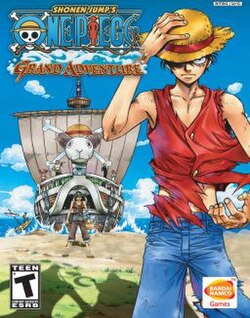 Taiko no Tatsujin: Dokodon! Mystery Adventure on Switch
 Taiko no Tatsujin: Don to Katsu no Jikū Daibōken on Switch
 Dead by Daylight on PS5
 Dead by Daylight on PS4
 Dead by Daylight on Switch
 WET on PS3
 Bugs Bunny: Lost in Time on PlayStation










 Another SquareThought Site