

 Oct 2009
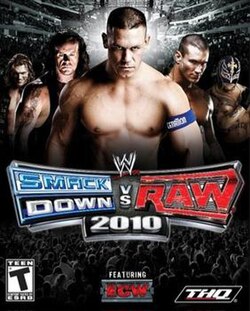

WWE SmackDown vs. Raw 2010 on PS3 arrives like a superstar entrance that actually lives up to the build: flashy, full of options, and oddly emotional if you care about tights and story beats. This is the entry in the long-running series that treats the WWE roster like an ensemble TV drama, and then gives you a director's chair, a camera crew, and a stack of pyrotechnics. For the first time the game invites you to shape character arcs and long-form narratives with the new Story Designer and expanded Road to WrestleMania content. If you have ever wondered what would happen if Triple H and John Cena co-wrote an awkward buddy cop movie that ends in a steel cage, this edition of SmackDown vs. Raw is your playground. At its core this is still a wrestling game: grapples, finishers, ring psychology, and the satisfying pop of a well-timed reversal. But on PS3 that core is dressed up with better physics, realistic apparel, and a customization suite that turns created wrestlers into actual personalities rather than just a list of stats. The game keeps the usual buffet of match types, adds a few new ones, and then hands you the matchbook. The result is an experience that feels like the deepest, most playable WWE game of its era, albeit with a few caveats about engine work and limitations that bureaucrats would call 'design constraints'.
If you want the gameplay primer in plain language: the fundamentals have been tightened, and the accessories are where the game gets interesting. The THQ Training Facility eases newcomers into grapples, reversals, and timing, but experienced players will find the meat in the revamped grappling system. For the first time since 2007 the game uses four strong grapples, and you can now switch between them. This grants more combo variety and helps flesh out wrestler identities; the way Randy Orton moves, for instance, now feels more snake-like than generic power move catalogue. The Road to WrestleMania mode is the game's dramaturgical heart. Six new stories put you in the shoes of Triple H and John Cena in a co-operative Brand Warfare tale, Edge, Shawn Michaels, Randy Orton, Mickie James, and even your created superstar. Each narrative plays like a tightly edited WWE mini-season with interactive cutscenes that force choices, branch outcomes, and occasionally let you lariat someone off-screen for dramatic effect. The Diva story starring Mickie James is especially notable because it treats her as more than ring decoration; she has agency, stakes, and moments where you actually feel the pressure of being a female wrestler in a male-dominated card. The created superstar story lets you build a career path and shape a character arc, but be warned: created wrestlers are limited to ten appearances in Story Designer creations on next-gen versions, which is like being offered a recurring role on a soap opera and then told you only have ten episodes. Where this game shines narratively is the Story Designer, a genuinely powerful tool that hands players over 100 animations and 25 locations to craft soap-opera-level sagas. You can script scenarios, set match types, write controller-compatible subtitles, and even control the pacing and length of a storyline. On PS3 you get the deluxe treatment: up to 500 segments, 450 matches, and integration with real WWE superstars. This is where the roster becomes a cast list and your creative impulses are rewarded. Want to stage a tragic heel turn for Rey Mysterio that ends with a ladder match? You can. Want to make Stone Cold the reluctant mentor who bottle-gets distracted? DLC codes from certain retailers make that possible. Match types have been expanded in ways that support character work. The Championship Scramble and revamped Royal Rumble create natural story beats: surprise eliminations, opportunistic saves with finishers, and rope-or-turnbuckle mini-games that translate into on-screen drama. Rivals and allies can be set in the menu, which means you can engineer interference at climactic moments to make rivalries feel meaningful. The deterrent is that some intergender match-ups were curtailed, and Divas can't enter every match type, but mixed tag matches and meaningful Diva storylines still allow personality-focused matches to breathe. Online sharing and Superstar Threads on PS3 let you publish and rate creations, and the Highlight Reel can be exported to an entrance movie or uploaded to YouTube. That means your doomed faction saga can live forever on the internet, where it will either be celebrated or mercilessly memed. The paint tool and 3D apparel - clothing that moves with the wrestler - help created characters look and move like real personalities, not mannequins with attitude. The gameplay isn't flawless: the single-button reversal system increases the emphasis on timing, which rewards skill but sometimes makes reversals feel swingy in frenzied modes like Royal Rumble. There are also design constraints in Story Designer and created superstar usage that make the tagline 'It's Your World Now' slightly optimistic. Still, the breadth of options turns the game into a sandbox where character, arc, and match psychology are tools you actually use.
Graphically the PS3 version is where the subtle touches sell the illusion. For the first time the Havok engine is used to improve collision detection, which means rope and wrestler interactions feel less like scripted puppetry and more like two hulking performers negotiating a choreography. Blood smears now transfer to anyone who contacts a wound, and repeated chops redden a chest - small cosmetic cues that do a lot of heavy lifting for immersion. Diving attacks were reanimated to look more believable, and the 3D apparel system means entrances and in-ring movement carry a sense of weight and momentum. The cinematography team and new visual effects show in cutscenes, where camera angles and scripted beats make heel turns and promo moments actually cinematic. The HUD was pared back to place focus on the characters, with momentum halos and on-character visual damage indicators replacing verbose meters. For a wrestling game that also wants to be a storytelling engine, these graphical decisions matter: they let you read a character's condition and intent without pausing for a stats screen. That said, some reviewers at the time flagged engine limitations and loading times, and the improvements don't entirely hide the fact that this was a transitional moment for the series - the Havok implementation is promising but conservative in scope here.
WWE SmackDown vs. Raw 2010 on PS3 is the series hitting its stride as both a simulation of in-ring combat and a creation suite for melodrama. It's the best marriage yet between match mechanics and narrative tools, offering a Road to WrestleMania that actually feels like a string of character arcs and a Story Designer that turns you into a questionable soap opera auteur. The PS3-specific features - Superstar Threads, paint tool, higher segment limits, and online sharing - make it the definitive console choice for players who want their squashes to have meaning. If your primary goal is button-mashing chaos, you'll find plenty of that here, but you'll miss the deeper satisfaction of building a heel's slow-burn descent or staging a Judas-style betrayal during a Championship Scramble. The game's flaws are real: restrained Havok use, occasional loading quirks, and some limitations in created superstar appearances and Story Designer settings. Still, those are mostly blemishes on an otherwise ambitious package. Score: 8.5 out of 10. Buy it if you like wrestling, storytelling, creating absurd factions, or just want to finally script the match where Triple H and John Cena reconcile over a gauntlet match and then immediately regret it. Smash that creation button, craft some drama, and let the crowd eat it up.
 WWE SmackDown vs. Raw 2011 on PS3
 Pro Evolution Soccer 2010 on PS2
 Deca Sports DS on DS
 Accolade Sports Collection on Xbox Series X/S
 Alan Hansen's Sports Challenge on PS2
 EA Sports MMA on PS3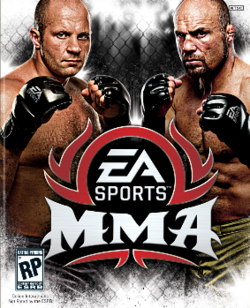
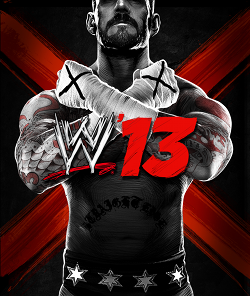
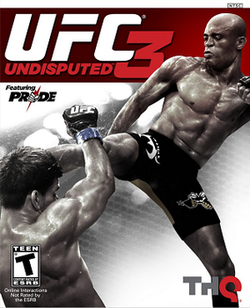 WWE '13 on PS3
 UFC 2009 Undisputed on PS3
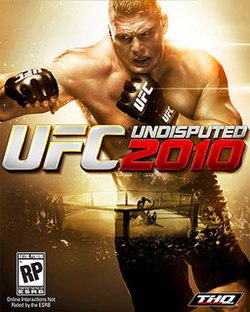
 UFC Undisputed 2010 on PS3
 Earth Defense Force: World Brothers on PS4
 WWE Legends of WrestleMania on PS3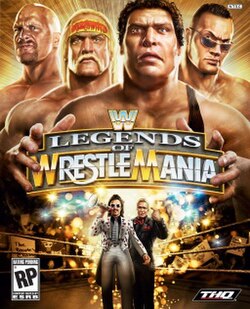










 Another SquareThought Site