

 Oct 2012
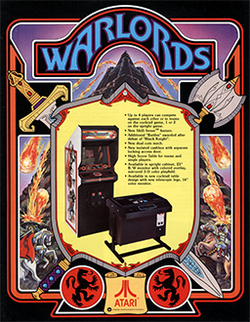

Warlords on PS3 is less a straight rehash of an arcade relic and more a time machine dressed in high-def: the same frantic four-corner castle brawl that launched from Atari cabinets in 1981, repackaged for modern couches and party playlists. On paper it's a silly, minimalist premise - kings, helmets, bricks and a very opinionated fireball - but the game's true personality lives in its tiny cast of archetypal characters and the absurdly operatic arcs they undergo between respawns. This review takes thing a step further than 'it's fun with friends': it treats the castles, crowns, and flaming balls like soap-opera protagonists, because honestly that's the only honest way to talk about a game where shields double as both salvation and slow domestic demolition tools.
At the surface level, Warlords is an elegant arcade loop: four castles sit in the corners of the screen, each protecting a little icon - the crown for human-controlled Kings, a dark-lord helmet for the AI Black Knights. The playfield is a medieval coliseum, but the real drama is kinetic and mechanical. Fireballs, which are both weapon and plot device, are launched (literally) by a dragon that holds grudges against human players; they ricochet, smash castle bricks, and cause the kind of domestic ruin that would make any insurance adjuster weep. Viewed as characters, the castles are protagonists with short, intense arcs. Each round is a mini-novel: the castle begins fortified and proud, then, through the course of the match, it experiences erosion, betrayal (sometimes self-inflicted), and either triumphant survival or tragic collapse. The moving shield - a player's literal agency - is the character's conscience. When it catches and throws a fireball with the Power Stone button, it is playing Hamlet with a flamethrower: decisive, dramatic, and ultimately corrosive. Holding a fireball increases the potency of your next throw, but drains the walls you claim to protect. That choice creates a delicious moral tension: do you preserve your home by playing safe or do you gamble on an aggressive play that might demolish your own ramparts? It's a Shakespearean beat built into an arcade joystick. The fireballs themselves behave like chaotic supporting characters. When an icon is destroyed it releases another ball, which dutifully careens away in the opposite vector of its killer's shot. This mechanic writes instant consequences into the game's narrative: every assassination births a new hazard, a physical manifestation of the old player's last gasp. The dragon-who launches the first ball and always singles out a human at the start-plays the role of a mischievous trickster, setting the opening conflict and then sitting back to see how the petty monarchs squabble. Multiplayer modes shape crucial arcs. The upright cabinet required cooperation between one or two players, so characters in that mode have arcs of partnership: wary allies who must coordinate shields and feints to survive waves of spiky metal meteorites. The cocktail, which supports up to four, turns everyone into a reality-TV-level backstabber. Free-for-all games are manic: allegiances last approximately the length of a ricochet, and winning is as much about reading chaos as it is about aim. The PS3 re-release puts these dynamics on a modern stage: couch parties, online sessions, or awkwardly loud living room showdowns where the social arcs - trash talk, gleeful betrayal, triumphant fist pumps - are half the fun. The game's scoring and round structure gives each character an episodic rhythm. The last icon standing gets bonus points, which incentivizes survivalist arcs: turtle, endure, and pounce. Conversely, aggressive players craft tragic arcs for themselves and others: quick rise, spectacular fall. That the original design forces players to balance offense and defense via the self-damaging power mechanic makes Warlords feel almost novel even now: the best plays read like plot twists, and the worst plays look like poorly written comic relief.
Warlords' original visual charm came from hardware cleverness: the upright arcade used a black-and-white monitor reflected onto a mirror and backed with painted castles to create a faux-3D diorama. Cocktail cabinets were in color and supported the full four-player free-for-all. On PS3 the presentation becomes decorative rather than transformative. The PSN release takes stacks of neon pixels and polishes them to modern clarity: the bricks are crisper, the fireball's glow earns a respectable halo, and menus stop looking like someone rescued them from a museum exhibit. The visual overhaul preserves the game's minimalist geometry-the L-shaped walls, the tiny icon faces-while dressing them in HD clothes. But Warlords is not a game that lives or dies by texture maps. The graphic updates on PS3 are tasteful and respectful: they add visual fidelity without rewriting the original silhouettes or the readable cues that make the gameplay so immediate. The character icons remain iconic precisely because they're small and communicative - a crown needs no facial animation to be a complete personality - and the high-def versions simply make their expressions easier to mock mid-game. If you want photorealism, you're in the wrong medieval county. If you want clarity, crisp colors for each castle, and a presentational gloss that helps a living-room melee feel important, the PS3 version delivers.
Warlords on PS3 is an exercise in respectful nostalgia that also doubles as a surprisingly deep study in micro-narratives. The 'characters'-castles, crowns, helmets, shields, fireballs and that spiteful dragon-are simple, but the mechanics give them real arcs: growth, corruption, revenge, and occasional redemption via a perfectly timed ricochet. The game's best moments are social poems: coordinated defenses that look like choreography, last-second clutch plays that feel like heroic epilogues, and a steady stream of betrayals that would make any soap-opera writer blush. The PSN release strips away the hardware-specific quirks of the original cabinet yet retains the heart of the design: immediate inputs, readable stakes, and manic multiplayer mayhem. Its appeal remains strongest in a group setting; single-player experiences are serviceable but thin, which is exactly what reviewers in 1982 warned about and which still holds true. Warlords is a party game masquerading as an arcade relic, and as a party game it excels. It's less a sprawling epic and more a series of excellent short stories-each match a different chapter in the tragicomic lives of tiny monarchs. Score: 8/10 - timeless, still brilliantly tart, and perfect when played with friends who are willing to lie, backstab and then high-five you five seconds later.
 Onimusha: Warlords on PS2
 Sangokushi II on PlayStation
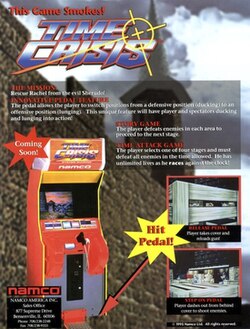
 Time Crisis on PlayStation
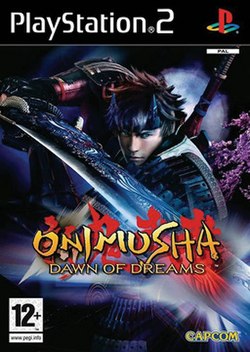
 Onimusha: Dawn of Dreams on PS2
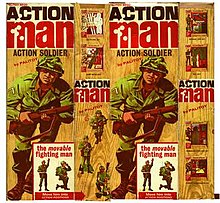
 Action Man: Operation Extreme on PlayStation
 Oretachi Game Center Zoku: Nekketsu Koukou Dodge Ball Bu on PS2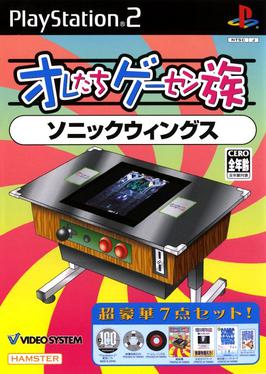










 Another SquareThought Site