

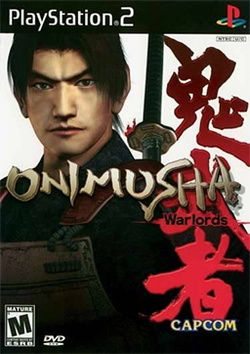

When PlayStation 2 owners first loaded Onimusha: Warlords they were confronted with the kind of opening sequence that, in an era of disc-swapping and magazine previews, felt less like a game intro and more like the trailer for a samurai epic someone had smuggled into the videogame aisle. Capcom's first true next-gen push was unmistakable: motion-captured characters, a 200-piece orchestra on the soundtrack, and an aesthetic that cheerfully wed blood-soaked Sengoku drama to the puzzle-laden, fixed-camera architecture of Resident Evil. This was not portly nostalgia wearing a new pair of shoes; it was an attempt to graft cinematic presentation onto action-focused gameplay. The gamble paid off commercially - Onimusha was the first PS2 title to cross the one-million mark and would eventually top two million worldwide - and it arrived at a moment when the industry was still learning how serious it could be about presentation. A serious 1990s-style review must keep its head: the essentials are plain. You play Samanosuke Akechi (with a star-modelled likeness and voice work by Takeshi Kaneshiro in the Japanese version) and sometimes his nimble partner Kaede. You cleave through demons, solve environmental puzzles, upgrade weapons by siphoning souls, and occasionally stare into fixed-camera angles that make every corridor feel like an interrogation by a polite but suspicious lens. Capcom borrowed from its own survival-horror toolbox and then decided to swap the shotgun for a katana and a handful of elemental magic. The end result is a game that is at once old-fashioned and oddly modern: precise, cinematic, and occasionally stubborn in its design choices.
Onimusha's gameplay is a study in controlled spectacle. The engine sits squarely in the action-adventure lane: pre-rendered backgrounds, fixed camera set-pieces and tank-control options sit beside real-time swordplay and a rudimentary combo system. At the start Samanosuke wields a plain katana and a short list of ranged weapons with constrained ammunition; by the middle act he is gifted three elemental blades-Raizan, Enryuu and Shippuu-each with magic attacks that sap a blue magic pool. The reward loop is straightforward and satisfying: defeat enemies to release coloured souls, absorb them with the demon gauntlet and spend red souls to upgrade weapons while using yellows and blues to stay alive and powered. Combat rewards timing and positioning. Enemies telegraph attacks with the patient cruelty of classical action design: stand correct, block or dodge, and follow with a heavy or light strike. The demon gauntlet works as both MacGuffin and mechanic: it justifies your soul-siphoning and gives the protagonist a tangible progression curve. Kaede's segments, while shorter, refresh the pacing with different weapons and acrobatic moves; she cannot absorb souls herself, which neatly balances her potency against Samanosuke's upgrade-driven power curve. That decision keeps players switching between brute force and finesse, rather than letting one character trivialize every encounter. Puzzles are more Resident Evil than Devil May Cry: inventory-based, environmental and occasionally delightfully obtuse. Expect to pull levers, find keys, and combine items in ways that reward methodical exploration more than button-mashing aggression. The game is not stingy with guidance, but it is content to let the player backtrack and reorient themselves in a castle that feels like a character in its own right. The fixed camera can be both mood-engine and annoyance; it frames cinematic moments brilliantly while occasionally stubbornly misplacing an enemy behind an immovable wall. You will curse the lens once, then appreciate how it builds tension the next minute. The Xbox port, Genma Onimusha, added green souls and new difficulty tweaks - a tug-of-war for power-ups that made encounters more competitive - but on PS2 the original is leaner, focused, and less cluttered by post-release ideas. Progression is brisk: the game is not long, and criticism over its length is fair, but what it delivers is tight: memorable boss battles, a handful of excellent set-pieces, and a narrative that mixes historical names (Nobunaga Oda, Toyotomi Hideyoshi) with supernatural flourishes. The mix of action and puzzle, combined with weapon upgrades and elemental magic, delivers an experience that feels like a thoughtful mash-up of genres rather than an identity crisis.
Visually Onimusha is a manifesto for the early PS2 era. The pre-rendered backgrounds are gorgeously composed; lighting is used to paint mood more than to hide polygons. Character models, animated with motion capture, carry a level of realism rare at the turn of the millennium: the motion is judicious, the faces are angular but expressive, and the creature design is committed to grotesque invention. The opening CGI movie won Best of Show at SIGGRAPH 2000 for good reason - it looks like a high-budget film title sequence squeezed into a DualShock 2. In-play graphics are a mixture of triumph and compromise. The backgrounds hold up remarkably well; they are detailed, carefully textured and arranged for dramatic camera shots. The trade-off is the occasional stiff animation when the fixed camera forces unnatural perspective changes or when a cutscene hands off to gameplay. Particle effects for magic attacks and blood splatter are serviceable rather than spectacular, but they do the job: Onimusha never pretends to be a technical benchmark so much as a crafted diorama you walk through with a sword. For its time the game was top-shelf; decades later the pre-rendered aesthetic gives it a certain charm that modern, fully 3D scenes sometimes lack. Sound, too, plays a major role in the impression. The orchestral score-credited to Mamoru Samuragochi but quietly orchestrated by Takashi Niigaki-deploys taiko drums and shakuhachi to give battle and exploration sequences a cinematic heft. Whether you view the later revelations about authorship as scandal or trivia, the score works in context: it bolsters the ancient-meets-epic tone of the game and makes key moments feel operatic rather than merely gameful.
Onimusha: Warlords is a neat time capsule: a game that announced Capcom's ambitions for the PlayStation 2 while quietly showing the company knew how to mix spectacle with sensible design. It borrows survival-horror scaffolding and dresses it in samurai armour, then sharpens the sword into hack-and-slash satisfaction. The criticisms are legitimate-its running time is short by modern standards, fixed cameras sometimes misbehave, and puzzles can slow the momentum-but these are quibbles against a title that gets nearly everything else right: pacing, atmosphere, combat weight, and that intoxicating sense of being in a motion picture that you also control. For the reader who remembers the era of print magazines and store demo discs, Onimusha will feel like a headline from a better time: bold, slightly theatrical and impossible to ignore. For someone discovering it today, the PS2 original is still worth playing for the charm of its presentation and the crispness of its combat loop. It launched a series that spawned sequels and spin-offs, influenced later action games and holds a place in genre history; if you accept it on its own terms, Onimusha rewards you handsomely. Score: 8.5 out of 10 - a strong, stylish sword cut across the early next-gen landscape that still leaves a satisfying ring when it connects.
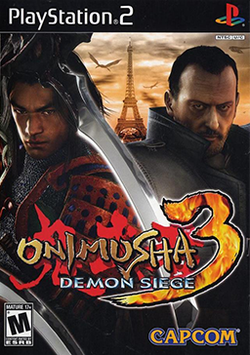 Onimusha 2: Samurai's Destiny on PS2
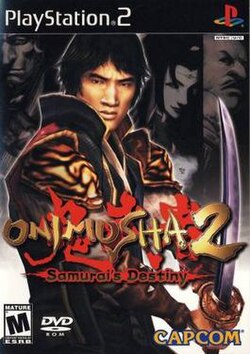 Onimusha Blade Warriors on PS2
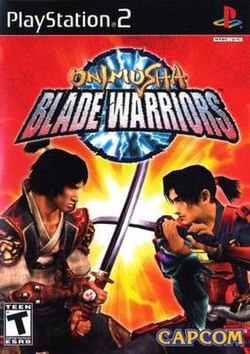 PlayStation Home on PS3
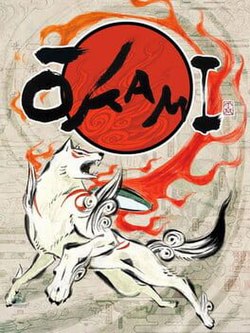
 Ōkami on PS2
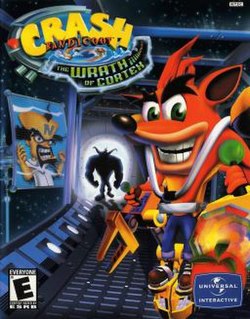
 Crash Bandicoot: The Wrath of Cortex on PS2
 Persona 5 on PS3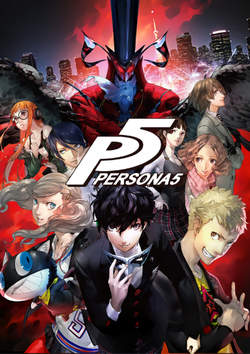
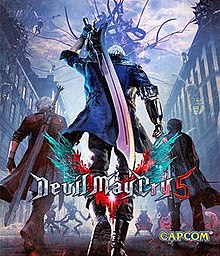
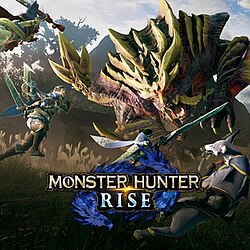 Devil May Cry 5: Special Edition on Xbox Series X/S
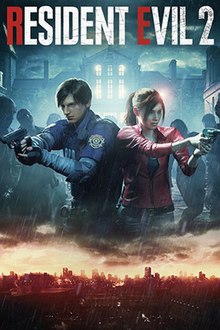
 Resident Evil 2 on Xbox Series X/S
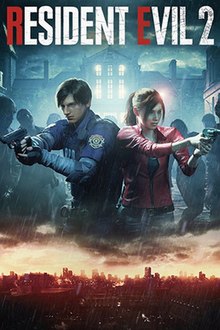
 Resident Evil 2 on PS5
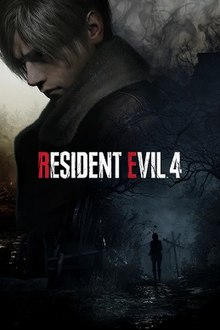
 Resident Evil 4 on PS5
 Street Fighter 6 on Xbox Series X/S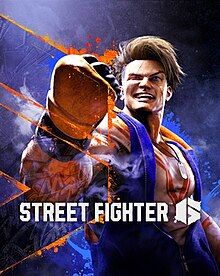












 Another SquareThought Site