

 Aug 2025


Way of the Samurai 3 is the videogame equivalent of being handed a katana, a set of terrible life choices, and a middle-management feudal lord who really needs anger management classes. Set in the fictional Sengoku-era backwater of Amana, the game gives you the oddly refreshing power to decide whether you're a glorified do-gooder, a bloodthirsty ronin, or a pillaging opportunist who steals mochi between missions. Acquire's sequel keeps the series' hallmark: storylines bend and crack around your choices, producing 22 different endings and enough moral whiplash to give a Shinto priest an existential crisis. The world itself is tidy on paper: three factions - the rising, exploitative Fujimori clan led by Fujimori Shuzen, the rebellious Ouka clan with its Sakurai vassal roots, and the mild-mannered Takatane villagers who just want to keep their onions in the ground - provide the scaffolding for every argument, assassination, and awkward rice festival you will ever be dragged into. But if the faction politics are the skeleton, the characters and the choices you make with them are the messy, interesting organs. This review zooms in on those characters and their arcs, because Way of the Samurai 3 is at its most compelling when it's making you choose who you are by watching the people you meet change because of you.
The player's character is a blank-slate samurai - literally whatever you choose - and that design is the game's greatest storytelling weapon. Your agency is the narrative ink: speak one way and the widow with a spear becomes a bitter ally determined to right a personal wrong; choose another path and she becomes a loose cannon who eventually leaves a trail of corpses and regrets. The three-way power struggle between Fujimori, Ouka, and the villagers unfolds not as a linear plot but as a set of character dominoes. Your decisions nudge those dominoes. Kill a lord's envoy or save a kidnapped child and you will watch alliances form, crumble, or combust. NPC companions, possibly the most underrated aspect, are where the game's character work quietly shines. There are 14 partners (18 in the Japanese Plus version), including a spear-wielding widow, the ghost of a murdered woman, and the delightful cat-girl Nya-Nya. Each has a mechanical role - combat help, inventory mule, or access to unique tasks - but they also come with mini-arcs that react to your reputation and dialogue choices. Relationship points (measured in tiny, obsessively tracked percentages) force you to consider whether treating someone kindly is worth an extra hand in battle or if betraying them to curry favor with a clan is worth the emotional tax. Partners can beg for you to act honourably, cheer when you pull off an instant kill, or quietly leave your camp because you picked the wrong side. These small moments add up, and because the game gives you 22 endings, each partner's fate provides a tempting carrot for replay. Combat is very samurai: over 100 weapons (and some weird joke options like green onions and tuna) and a stance system split into middle, upper, lower, side, single, draw, and ninja. The series' parry system is replaced with a push-and-pull rhythm and a one-hit death move called 'glimpse of death' triggered after an awase. If you pull it off you can chain kills in a gloriously satisfying ren-satsu. Weapons level up to 50 and can become unbreakable, encouraging you to emotionally attach to a favored katana like a very bloodthirsty Pokémon. The weapon crafting system - collect blades, guards, grips and name your creation - is ridiculously deep, with around 200 parts and hundreds of skills reported on official sources, so character identity bleeds into equipment as you sculpt something that's mechanically yours and narratively significant. Time-of-day mechanics and the ability to draw your blade during cutscenes give the world a lived-in feeling: sometimes a showdown only happens at midnight, sometimes the bell-ringing minigame is what tips a village's mood. Jobs and minigames range from babysitting dogs to dismantling giant tuna, and each little task can shift how characters view you. Progression outside of endings is recorded in Samurai Points and unlockable titles, meaning you can carry the consequences of one life into the next - your reputation persists in small but narratively meaningful ways. It's a game built on player-driven arcs; its main plot is scaffolding, its heart is the messy, branching human stories you choose to leave behind.
Visually, Way of the Samurai 3 looks like a PS2 game that wandered into a PS3 party because it really liked the snacks. It's running on Gamebryo and the character models and environments are perfectly competent but not gorgeous - faces can be oddly flat, and animations sometimes stutter when the game tries to do something dramatic. That roughness, to some players, is charming: the world feels lived-in rather than photoreal. For others it's a letdown; contemporary reviewers frequently cited 'PS2-era' visuals as a negative. The art direction - rice paddies, wooden castles, soot-streaked villagers - still nails the mood, and Noriyuki Asakura's music gives encounters the right mix of melancholy and menace. If you want next-gen polish, this is not it. If you want atmosphere and characters who matter more than glossy pixels, the visuals don't stop the emotional beats from landing.
Way of the Samurai 3 is a game that rewards patience and curiosity more than reflexes. It has rough edges: uneven visuals, occasionally clunky combat, and a UI that feels like it was written by a disgruntled scribe. But none of those things erase what the title does best - it lets characters matter because your choices make them matter. The Fujimori clan's greed, the Ouka's ambition, the villagers' gentle stubbornness, and the motley partners you gather become a personalized tapestry built from your decisions, and watching those threads snap or hold is consistently compelling. This is not a game for players who want everything handed to them in a neat narrative burrito. It's for those who want to backstab an ally, repent, and then try to make amends - and watch the world reflect those contradictions. With 22 endings, weapon customization depth, and partner arcs that can turn a throwaway NPC into a tragic figure, Way of the Samurai 3 earns a solid recommendation to anyone who wants to play their own samurai soap opera. Score: 6.5/10. You will laugh, you will kill, you will make terrible choices... and then you will want to reload and see what happens if you don't.
 Theatrhythm Final Bar Line on Switch
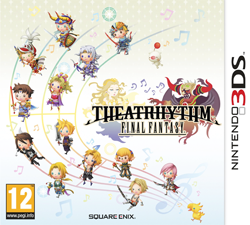 This Way Madness Lies on Switch
 Tintin: Destination Adventure on PlayStation
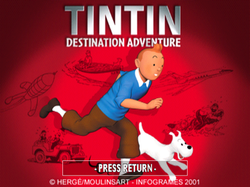 Onimusha: Dawn of Dreams on PS2
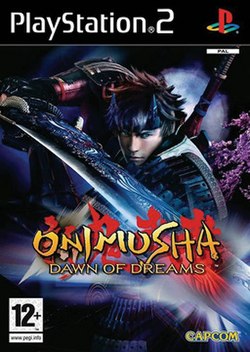 Combat Elite: WWII Paratroopers on PS2
 Action Man: Operation Extreme on PlayStation
 Octopath Traveler II on PS5
 Tenchu 2: Birth of the Stealth Assassins on PlayStation
 Tenchu: Shinobi Gaisen on PlayStation
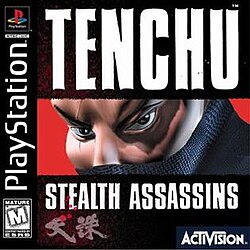
 Tenchu: Stealth Assassins on PlayStation
 Akiba's Trip: Hellbound & Debriefed on Switch










 Another SquareThought Site