

 Sep 2025


World of Outlaws: Sprint Cars on PS3 is a compact, gritty dirt-racing package dressed up in the real-world sheen of a niche motorsport. Built by Big Ant Studios and published by THQ, the game brings 12 classic dirt tracks from the World of Outlaws schedule to your controller and populates the grid with 20 real-life drivers, including heavy hitters like Steve Kinser and Donny Schatz. It's an arcade-leaning racer with online teeth (up to eight players) and two-player split-screen for couch rivalry. If you're picking this up to feel like a hot shoe on a sun-baked oval, expect something that's approachable on the surface but stubbornly demanding if you want to actually win consistently. This review zeroes in on the challenge side of the game: what the designers expect from you, the skills that get rewarded, and where the difficulty curve bites.
If you've ever watched sprint car racing, you know it's chaos artfully contained. The game tries to bottle that feeling. The track list reads like a dirt-lover's map: The Dirt Track at Charlotte Motor Speedway, Knoxville Raceway, Eldora Speedway, Volusia, Williams Grove and others - a dozen venues that force you to adapt from tight, technical circuits to wide, sliding speedways. That variety is the first layer of challenge: every venue changes the puzzle you have to solve. Primary skills the game expects: throttle control, line selection, and racecraft. Sprint cars in the real world live on the edge of grip, and the game nudges you toward learning the same lessons. Full-throttle is often a rude invitation to spin; feathering the throttle and using short, purposeful steering inputs pays off. Learning to read the groove (where the dirt compacts and the car actually bites) becomes essential. On some tracks you'll discover a top line that's faster but exposes you to greater slide risk; on others the inside is where you survive. Memorizing which lane opens up over a race and committing to it is a key skill. Steering is more snap than finesse. The handling tends to reward corrective inputs-catching slides early rather than slamming the wheel-and this puts emphasis on reflexes and a calm controller hand. Once you accept that the car is happiest while slipping rather than glued, the challenge becomes mastering mid-slide adjustments: countersteer just enough without killing forward momentum. That dance is satisfying when you get it right, and very humiliating when you don't. Overtaking and racecraft are separate beasts. With 20 drivers in the roster and up to 8 players online, traffic management and opportunism matter. Passing in the corners requires timing and a willingness to risk the loose stuff. The arcade tilt keeps things from being brutally punishing, but the AI and other players won't hand you the apron. You'll need to pick your battles, use the outside to power by when someone under-rotates, and block judiciously-because contact on dirt has a much higher chance of snowballing into a spin. Multiplayer modes add another layer of challenge. The game offers five multiplayer variants: Race, Hot Spot, Hot Spot Delivery, Tag, and Bomb Tag. Each mode shifts the skill emphasis. Traditional Race mode rewards consistent lap times and managing traffic; Hot Spot modes force you to hunt particular areas of the track, so awareness and positioning trump pure lap speed. Tag and Bomb Tag introduce adversarial play where psychology and misdirection are as valuable as throttle control. In split-screen two-player fights you can learn to use dirty tricks that humans are excellent at-loose lines, slight nudges into the loam, and the kind of aggressive blocking you wouldn't get away with online without consequence. One downside to the challenge design is that the game sometimes misbalances punishment and reward. Because it leans arcade, spectacular mistakes don't always result in catastrophic consequences, which can dull the learning loop for players seeking a true simulation-style feedback loop. Conversely, some artificial difficulty spikes-AI behavior that clumps up or unpredictable traction changes-can feel unfair rather than skill-testing. That said, most of the game's tougher moments still come down to player skills: learning tracks, choosing lines, modulating throttle, and picking passing windows. Career sense is compact: you pick events, learn each track, race against named drivers (the likes of Steve Kinser, Donny Schatz and Joey Saldana make the grid feel authentic), and grind for better finishes. This setup emphasizes repetition and incremental improvement-exactly the kind of practice loop that hones the required skills. If you're the sort who enjoys getting better in measured steps, that structure will click. If you want instant gratification and high-octane, consequence-free chaos every race, the game tries to sit in the middle and occasionally looks indecisive.
Graphically the PS3 build doesn't try to melt your eyeballs; it's functional and focused on the essentials. Track surfaces look earthy enough that you can see how the groove develops, which is important because reading that groove is part of the skill test. Car models and driver liveries are serviceable and the inclusion of real drivers gives a nice authenticity hit, even if paintwork details aren't showroom-grade. The visual clarity during multi-car scrambles is generally good - you can spot a closing gap or a shaky rival without squinting - but lighting and texture detail are middling compared to contemporary console racers. Expect dirt flying and wheelspin effects that sell the slide, but don't expect high-fidelity gloss. For a game whose challenge is tactile and situational rather than photorealistic, that practical clarity mostly does the job.
World of Outlaws: Sprint Cars on PS3 is a compact dirt racer that rewards patience, practice, and a tactically greedy approach to overtakes. If you want a simulator-grade experience, this isn't your stop; if you want a game that blends arcade accessibility with genuine skill ceilings - line selection, throttle modulation, slide control, and racecraft - then it has a lot to offer. The dozen dirt tracks and 20-driver roster give variety, and the five multiplayer modes plus up to eight-player online racing add replay value and social chaos. Frustrations come when the game wobbles between forgiving arcade and demanding realism, and some AI moments can feel unfair. Overall it's a fun, slightly scruffy challenge that will make you earn your wins and laugh at your spectacular failures. Score: 7.5/10 - a solid pick for anyone who wants to get their hands dirty without learning telemetry first.
 Harvest Moon: One World on Switch
 Nobody Saves the World on Xbox Series X/S
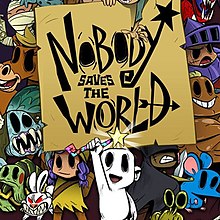 Tennis World Tour on Switch
 Oretachi Game Center Zoku: Nekketsu Koukou Dodge Ball Bu on PS2
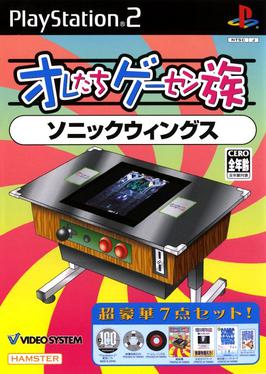 Oretachi Game Center Zoku: Rabio Lepus on PS2
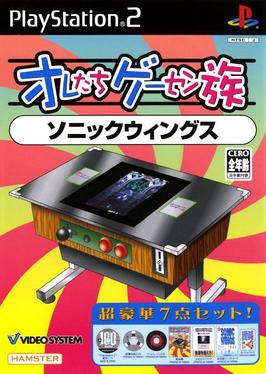 Oretachi Game Center Zoku: Super Volleyball on PS2
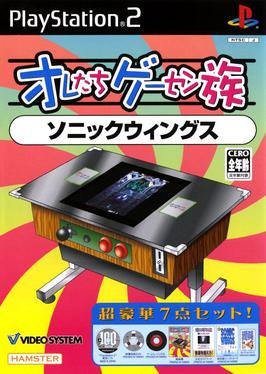 Oretachi Game Center Zoku: Trio the Punch on PS2
 Don Bradman Cricket 17 on PS4
 Cricket 22 on Xbox Series X/S
 Cricket 22 on PS5
 Ashes Cricket on PS4
 Cricket 24 on PS5










 Another SquareThought Site