

 Jun 2011
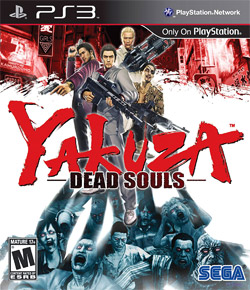

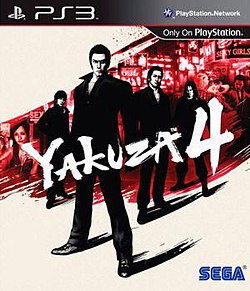
Imagine strolling through Kamurocho for a night out on the town and tripping over more limbs than a discount Halloween store. That's Yakuza: Dead Souls in a nutshell - the Like a Dragon series' brief, brain-munching detour into zombie territory. Released for the PlayStation 3 amid a rather eventful 2011, it swaps the series' usual fists-and-financial-drama formula for guns, grotesque mutants, and a surprisingly earnest attempt at survival horror. The result is a mash-up that feels like a karaoke bar and a mortuary had a weird, neon-soaked baby. Fans of the franchise get to follow four familiar leads - Shun Akiyama, Goro Majima, Ryuji Goda, and Kazuma Kiryu - as they wander the ruined streets trying to save Haruka, the town, and anyone who didn't already become a zombie kebab. It's non-canonical, it's silly, and despite some rough corners it remains a memorable curiosity in the Yakuza catalogue.
The most headline-worthy change here is the shift in focus from fistfights to firearms. Dead Souls leans into third-person shooting, borrowing from Sega's own House of the Dead DNA, but it refuses to be a straight rail shooter. Each of the four protagonists gets a chapter to shine, and the game splits into these self-contained arcs that add variety to the pacing and let you play through Kamurocho from four different, very dramatic angles. Akiyama is the anxious moneylender with a soft spot and an eye for survivors, Majima is gleefully unhinged and enjoys bashing skulls with anything he can hold, Ryuji is a surprisingly sentimental takoyaki chef who is completely out of his element, and Kiryu is Kiryu: stoic, heroic, and always in need of family drama. The backbone of the gameplay is shooting hordes of zombies, managing limited ammo, and occasionally gunning down prototype mutants so big they audition for the role of 'towering menace' in every cutscene. Combat is paired with a partner system that many reviewers enjoyed; AI companions can revive you, help with crowd control, and add small tactical choices to encounters. There are also boss battles that actually nail the cinematic, satisfying smackdown feel - these are where the game shows its best teeth. Unfortunately, the ordinary zombie fights tend to loop on the 'run, aim, rinse, repeat' cycle. Enemies respawn frequently, which can make exploring feel like you're wandering a very patient treadmill. Shooting controls were criticized by some for being a little floaty and lacking precision, which is a problem when the challenge is supposed to be about aiming under pressure. Mobility options are limited compared with modern shooters too, and the feel of gunning down common undead becomes repetitive after a while. Still, Dead Souls does what Yakuza does best in other areas: it packs Kamurocho with side activities and oddball distractions. Minigames from the series return - karaoke, darts, fishing, batting cages - and there are the usual tie-ins and branded humor that make the city feel lived-in even as its residents shamble around. The story, surprisingly, carries a lot of the game's weight. It's equal parts melodrama, buddy-cop moments, and mutant mayhem, with genuine emotional beats especially in the Ryuji chapter. The plot is pulpy in the best way: sinister arms dealers, a bioweapon called Thanatos, and a conspiracy that explains why every bar in town now offers 'zombie special' on the menu. Non-canonical status gives the writers freedom to be outrageous, and they take it. The balance of camp and sincerity works more often than not, which is probably why many reviewers praised the narrative while grumbling about the combat. There are some neat extras too: save-data bonuses reward players who own previous Yakuza titles with special items, and the game is stuffed with promotional tie-ins that lean into the series' love of real-world branding. If you like your survival horror with optional side quests, collectables, and absurdly specific rewards, Dead Souls has you covered. If you show up expecting a deep, modern third-person shooter, you might leave with a lighter wallet and a craving for takoyaki.
Graphically, Dead Souls is very much a PS3-era production - good, not jaw-dropping. The city looks convincingly ruined, with neon signs flickering above barricades and hordes of shambling extras filling the streets. Character models are solid; faces convey emotion well during the cutscenes, which helps sell the surprisingly heartfelt moments. The monsters get creative, especially the prototypes and the big mutated boss types, and the game leans into that body-horror aesthetic with gusto. Textures and environmental detail occasionally show their age, and the repetitive enemy designs mean the visual novelty wears off after a while. Still, the presentation is competent, and the cutscenes are staged with the kind of melodramatic flair the series is known for. Sound design is useful too: organs of doom in the big fights, the groan of the undead in the alleys, and a soundtrack that knows when to be dramatic and when to let the city breathe.
Yakuza: Dead Souls is a charming oddball. It's a love letter to fans who wanted more Kamurocho nonsense and a daring, if imperfect, experiment with zombie shooting. The story and character moments are the real stars, delivering humor, heart, and the small-town-yakuza pathos that makes this franchise addictive. Combat is the game's Achilles heel: the shooting mechanics feel dated and can make the grind of respawning zombies feel tedious. Boss fights and optional content often rescue the experience, and if you're invested in the characters you'll probably enjoy the ride. It sold well enough to prove people were curious, and it deserves credit for trying something new rather than just riffing on more of the same. If you're a Yakuza fan who can forgive some clunky gunplay for a memorably weird story and lots of side distractions, give Dead Souls a shot. If precise shooting and tight enemy design are your jam, you might be better off waiting for a cleaner dungeon of the undead. Either way, the city is open for business - just watch where you step.
 Red Dead Online on PS4
 Dead Space Ignition on PS3
 Tintin: Destination Adventure on PlayStation
 Disney's Chicken Little: Ace in Action on PS2
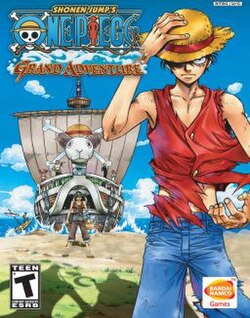
 One Piece Grand Adventure on PS2
 Taiko no Tatsujin: Dokodon! Mystery Adventure on Switch










 Another SquareThought Site