

 Mar 2010
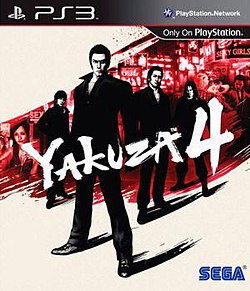

In an industry that at times mistakes spectacle for substance, Yakuza 4 arrives as a defiant piece of old-fashioned urban fiction dressed in high-definition. Sega's Ryu Ga Gotoku team refrains from reinventing the wheel; instead they bolt on a few more spokes and hand the wheel to four different drivers. Set a year after Yakuza 3 and primarily staged in the neon-soaked alleys of Kamurocho, this fourth installment expands both the cast and the canvas. If you were expecting a lighthearted romp or a tech demo in a suit, you will be disappointed. If you wanted a brawler with a beating heart, obscure mini-games, and a crime saga recounted with the kind of melodrama that makes late-night soap operas look timid, you have come to the right place. The game is a throwback of sorts - not to the pixelated arcades of the early '90s but to the era when console magazines treated narrative and character as things worth arguing about.
Yakuza 4 keeps the franchise's core mechanics intact while broadening its ambitions. The headline change is the quartet of playable protagonists: the series stalwart Kazuma Kiryu is joined by Shun Akiyama, Taiga Saejima and Masayoshi Tanimura. The practical result is a campaign that reads like four parallel novellas with intersecting climaxes. Each man brings a distinct combat philosophy that changes how the streets feel. Kiryu is the textbook powerhouse - karate and boxing-inflected attacks that land like closing arguments. Akiyama is fleet and precise, favoring taekwondo-style speed and flashy counters. Saejima is the mountain: slow, brutal grappling and wrestling moves that make enemies reconsider the wisdom of standing close. Tanimura is defensive and technical, borrowing from aikido and jiu-jitsu to turn an opponent's momentum against them. These differences are not window dressing; they alter reach, rhythm and the kinds of crowds you can comfortably clear. Beyond the primary beat-'em-up loop, Yakuza 4 is a carnival of diversions. The mini-games are ridiculous in the best possible way: pachinko parlors that eat your cash with a smile, karaoke duets with NPCs (something to make more cynical readers choke on their lukewarm coffee), fishing, table tennis, hanafuda, onsen visits and even massage mini-games. The side activities serve two functions: they pad a hefty campaign with delightful breaks, and they often feed directly into character-specific goals. Akiyama's subplot asks you to build a No.1 hostess - it's a bizarre managerial-lite diversion where outfits, training and wardrobe choices matter. Saejima recruits and trains fighters for tournament circuits, Tanimura resolves radio-call brawls on the streets as a pseudo-police beat, and Kiryu's Team Encounter Battles pit him against successive gangs in gauntlet fights. These ancillary systems are not throwaway filler; they reward patience and, occasionally, downright obsession. The mission design alternates cinematic set pieces with open, explorable stretches of Kamurocho. Sega expands the map with rooftop pathways, the cramped Rojiura back alleys, and the underground 'Kamuchika' - a subterranean world of sewers, shopping arcades and pachislot dens. Exploration is often rewarded by conversations, small quests and advertising-laden environments that give the city texture. Combat is occasionally battered by camera and collision quirks, and pacing can sag when the script lingers on melodramatic cut-scenes. Still, the game largely succeeds by letting you play to your tastes: smack through a rival gang with Saejima's bone-crunchers, shepherd a young hostess into stardom with Akiyama, or tail a conspiratorial trail of police corruption with Tanimura. It is long, sometimes indulgent, and deliberately confident that you will care.
On the PlayStation 3 the visual package is competent rather than show-stopping. Character models are detailed enough to sell performances and the occasional close-up lands with the force of a well-delivered line of dialogue. The lighting on Kamurocho's neon facades does a serviceable job creating mood, and the new vertical spaces - especially the rooftops - give the city a sense of three-dimensional life that the series had only hinted at previously. There are moments when textures and animation read their console generation; lip-sync and some NPC locomotion feel mechanical by modern standards. The PS4 remasters and later ports clean up many rough edges, but speaking strictly of the PS3 original, the game's strength is not a parade of polygons but the persistent illusion of a lived-in urban theater. Visual compromises are forgiven because the art direction supports the narrative and, crucially, the fights look and feel consequential when they land.
Yakuza 4 is not subtle. It is not a game that will appeal to players seeking streamlined, bite-sized experiences. It is, however, a rare breed of AAA Japanese development - emphatic storytelling married to sizeable, varied gameplay. The four-protagonist structure is its best gambit: character-specific combat and side activities refresh the established formula and make the long run-time feel like generous content rather than padding. Critics agreed; the title scored respectably across the board (Metacritic sits around the high seventies, Famitsu awarded it 38/40, and it received an Award for Excellence at the Japan Game Awards), and its launch sales were strong. For the historically minded player, Yakuza 4 reads like a mature crime novel translated into a game: occasionally overblown, frequently melodramatic, and stubbornly humane. If you still own a PlayStation 3 and you can tolerate long cut-scenes, bureaucratic conspiracies and more odd jobs than a temp agency, this is one of the better street-level epics the platform offers. Consider this a ringing recommendation from an era when games could still ask for time and, sometimes, get it.
 Yakuza 0 Director's Cut on Switch 2
 Ryū ga Gotoku Zero: Chikai no Basho on PS3
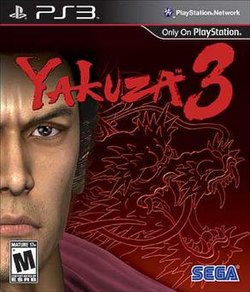
 Yakuza 3 on PS3
 Tintin: Destination Adventure on PlayStation
 Disney's Chicken Little: Ace in Action on PS2
 One Piece Grand Adventure on PS2
 Taiko no Tatsujin: Dokodon! Mystery Adventure on Switch










 Another SquareThought Site