

 Jan 2024
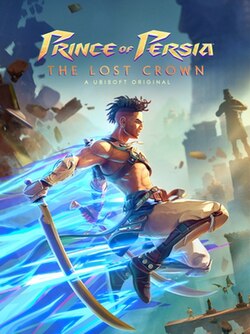

Prince of Persia: The Lost Crown arrives like a stylish, slightly battered heir to the franchise throne - a 2.5D Metroidvania that quietly proves you can dust off an old name and still tell a fresh, emotionally resonant story. At the heart of it all is Sargon, a young member of the Immortals who embodies the game's clever balancing act: athletic and unstoppable in a fight, but also a vessel for some surprisingly earnest storytelling. This is not just a platformer with cool time powers and feather-collecting; it's a compact, myth-steeped character drama where allegiances shift faster than Sargon's air dash. If you came expecting only wall-running and boss fireworks, you'll get those too, but you'll also get a cast of characters whose arcs push the plot beyond a simple rescue mission and into questions about power, legitimacy, and the cost of salvation.
Gameplay in The Lost Crown is the kind of tight side-scrolling combat and traversal loop that will make players grin and then curse at the same time - in a good way. Sargon's moveset reads like a readme for a very confident parkour club: jump, slide, air dash, and a pair of blades that make quick work of lesser foes. What elevates the combat is rhythm. Parrying refills the Athra Gauge, which feeds the special abilities; timing is rewarded, and the risk/reward of getting in close versus keeping your distance is constant. The metroidvania structure ensures that every new ability - many of which are tied to feathers of the Simurgh - reframes the map and Sargon's identity in it. Those feathers are not just upgrade items; they are narrative tokens. When Sargon recovers a feather he doesn't just gain a gameplay trick, he accrues a piece of the Simurgh's blessing and inches closer to the moral decisions that define his arc. The game's time-themed powers weave seamlessly into both exploration and story. Rush of the Simurgh lets Sargon dash 'through time' forward, a neat mechanical flourish that the level design exploits for speedrunning and clever platform puzzles. Shadow of the Simurgh - the ''leave-a-checkpoint-and-teleport-back'' marker - is both a lifesaver during tough segments and a narrative metaphor: Sargon literally leaves parts of himself behind and can return to them, which mirrors the way he must reconcile past choices. Talismans further customize playstyle, and the Time crystals scattered across the world let you prioritize upgrades that suit your mood: become an absolute blade-wielding monster, or a more cautious, time-manipulating puzzle-solver. Where the gameplay shines narratively is in how combat encounters and exploration force Sargon to reckon with his past and his peers. The Immortals are meant to be brotherhood - elite warriors who defend Persia - but the Citadel's time anomaly peels that veneer off. You'll be required to fight former comrades, a gameplay pivot that lands with a narrative gut-punch because the game gives you just enough context for each fallen ally to matter. The design choice to make these encounters deliberate and punishing reflects the story's emotional stakes: killing friends (even under ambiguous orders) should feel heavy, and the game mostly succeeds in making it so. Boss fights are where the game's themes and mechanics explode into set pieces. The manticore and other mythological opponents borrowed from Persian lore aren't just stat blocks; their design often references the Simurgh's feathers and time magic, so defeating them advances both the mechanical and narrative arcs. Vahram, the Immortals' leader turned antagonist, uses time magic more as a character trait than a gimmick. His mastery of the Sands-like powers places him thematically opposite Sargon: where Sargon accumulates blessings to fix things, Vahram hoards and weaponizes time to claim authority. Narrative beats are also embedded in the exploration loop. The map memory feature - allowing players to pin screenshots and remember unsolved puzzles - is a modest but brilliant touch that turns the act of map-playing into an introspective scavenger hunt. As Sargon revisits rooms, the weight of his earlier choices grows. Story-related collectibles, NPC interactions, and short dialogue scenes between key nodes keep the emotional current flowing without interrupting the nimble pace of the game. If the gameplay has a flaw, it's sometimes the same one that critics noted about the story: a few threads are left intentionally ambiguous, and the game occasionally trusts the player to infer more than some might want. That said, the core loop - learn an ability, backtrack to reshape the map, confront a moral dilemma embodied by an enemy or ally - is polished, resonant, and satisfying.
Visually, The Lost Crown is a handsome example of what the Unity engine can do when steered by a studio with actual taste. The 2.5D aesthetic isn't just fan service; it's a deliberate design choice that lets the art team layer backgrounds with mythic detail while keeping Sargon's animations clean and readable. Art director Jean-Christophe Alessandri's nods to modern and urban culture subtly modernize the Prince of Persia silhouette without breaking it; Sargon moves like someone with track-and-field medals but dresses like he might also DJ on the side. The Citadel of Mount Qaf is oppressive and uncanny in equal measure - ruined learning halls, haunted libraries, and time-warped corridors that look like a museum curated by a slightly unhinged scholar of myth. Character animation does heavy lifting in telling story beats without dialogue filler. Anahita's movements before her reveal, Vahram's roiling, confident posture, and Ghassan's princely tremor are all readable even in the smaller 2.5D frames. The game also makes a bold cultural gesture by including a Farsi dub, helping the world feel more rooted and authentic. Lighting and color palettes shift smartly with narrative tone; the world grows colder as the stakes go up, and feathers literally brighten the palette when collected, underlining their emotional and mechanical importance. Performance-wise the PS4 build holds up: stable framerate, crisp textures, and clean particle work on Simurgh-related powers. The masks and new DLC biome, Mask of Darkness, expand the visual vocabulary further and maintain the game's high bar for visual storytelling.
Prince of Persia: The Lost Crown is a rare reboot that remembers why a franchise name mattered in the first place: compelling characters, evocative myth, and mechanical design that reinforces storytelling. Sargon's arc - from loyal Immortal to time-tugged redeemer - sits at the center of a compact drama about legitimacy, grief, and the temptation of divine power. Anahita's ambiguous loyalties, Ghassan's moral fallout, and Vahram's tragic claim to a stolen throne together form a tight constellation of motivations that the gameplay constantly reflects back at the player. The fact that the team behind this gem was later disbanded by the publisher adds a bittersweet footnote: here's a game that critics loved and players warmed to, but that still struggled to meet corporate spreadsheets. In practical terms, that means The Lost Crown feels like a complete, lovingly made statement rather than a franchise bait-and-switch - play it for the fluid combat and clever map design, but stay for the characters. They're the reason this Prince refuses to be merely a nostalgia tourist and instead becomes a story that earns its crown.
 Lost in Random on PS5
 Antiquia Lost on PS4
 Tintin: Destination Adventure on PlayStation
 One Piece Grand Adventure on PS2
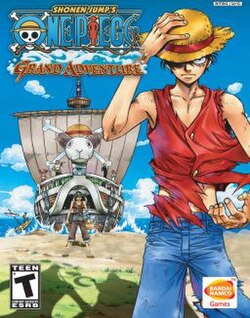 Taiko no Tatsujin: Dokodon! Mystery Adventure on Switch
 Onimusha: Dawn of Dreams on PS2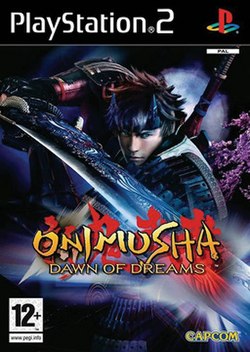
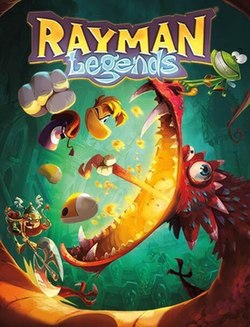 Rayman Legends on Switch
 Just Dance 2014 on PS4
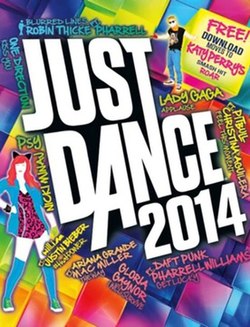 Just Dance 2014 on PS3
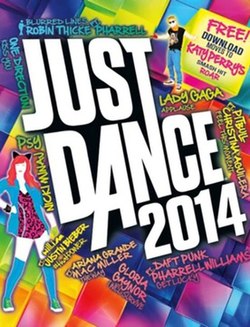 Rayman Raving Rabbids on DS
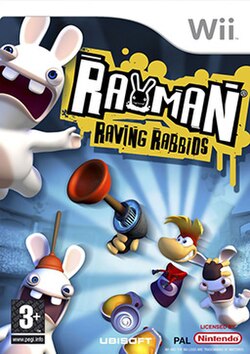 The Adventures of Tintin: The Secret of the Unicorn on PS3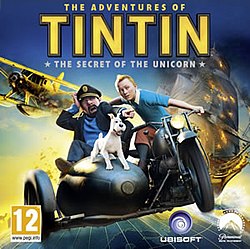










 Another SquareThought Site