

 Sep 2017
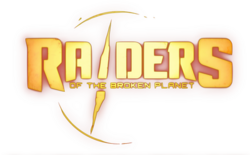

MercurySteam, the Spanish studio that once shepherded vampires through gothic castles, decided to swap capes for spacesuits and released Raiders of the Broken Planet on PS4 - later reborn as Spacelords. On paper the game is a tasty stew of asymmetrical multiplayer, shooty-brawly mechanics and episodic narrative ambition. The paperwork (and press releases) also mention a story mode delivered episodically, four campaigns comprising 16 multi-stage missions, and a shift to free-to-play that promises access to the entire character roster through a new progression system. All of this means one thing: the game wants to tell stories through its characters - whether that goal is fully achieved is a different question. This review takes the unusual (and slightly nerdy) route of examining Raiders primarily through its characters and the arcs they are given room to pursue, how the game's structure supports those arcs, and whether MercurySteam's pedigree (yes, the Castlevania folks) helps or hinders the narrative bones underneath the spacesuit.
Raiders of the Broken Planet is, first and foremost, an asymmetric online game. The flow of play - where different players inhabit different roles with opposed objectives - shapes every character's potential arc. In an asymmetrical setting, characters are not simply closets of tools; they are narrative poles around which conflict spins. A striker who darts in, a bruiser who soaks damage, a schemer who manipulates the battlefield, and an antagonist who stands against a team: that dynamic, when used well, creates emergent stories. MercurySteam explicitly leans into that potential by pairing combat mechanics (shooting, brawling, tactical play) with episodic story missions. The episodic design is the most interesting narrative lever the game wields. Four campaigns and sixteen multi-stage missions provide a skeletal spine of set-pieces, recurring beats and opportunities for character moments. Episodic delivery gives characters time to breathe between missions and for the developers to unspool reveals slowly - a natural setup for arcs that move from hubris to humility, from outsider to team linchpin, or from razor-quick opportunist to tragic antihero. The game's initial announcements and later transition to Spacelords promised that those arcs would be accessible: the free-to-play model unlocked all campaigns and a progression system opened the roster to players. From a storytelling perspective, this is crucial. You cannot have meaningful arcs if players are forced to play only a sliver of the cast; arcs require repeat exposure and a chance to play different beats. Mechanically, the combat aims to support character identity. MercurySteam's history with action-heavy combat (their work on the Castlevania franchise is not trivia; it's a shorthand promise that they know how to craft punchy encounters) suggests that characters will feel distinct in their animations, abilities and tactical niches. Because the game mixes shooting and brawling, each character can express personality both in movement and in how they approach solutions: the nimble character's arc of redemption plays out through daring plays and clutch revivals, while a tank's growth might be expressed in the way they gradually learn to protect rather than provoke. Asymmetric multiplayer also allows a different kind of arc: one player can be the antagonist in a mission, controlling defenses and altering the map, which makes them a roaming narrative foil. That antagonistic role can turn into a recurring character with an arc of escalating menace or tragic misunderstanding - depending on how the episodic scripts treat them. That said, ambition and execution are not the same thing. The documentation around the game stresses the plan for episodic story but does not provide extensive detail about finished arcs or the depth of character writing at launch. For players hoping for a fully realized soap opera in space, the available material reads more like a promise than a delivered season. The free-to-play shift was a smart play for accessibility - allowing players to sample the roster and experience the full campaign slate - but it also puts pressure on the progression systems: if unlocking characters feels grindy, players may never see an intended arc through. When arcs are tied to character availability, monetization choices become narrative gatekeepers. MercurySteam's decision to make the roster more reachable is therefore a narrative-friendly move; the real test is how satisfying the arcs feel once you actually play the missions in sequence. Another important factor for character story is the structure of matches and missions. Multi-stage missions suggest chapter-like progression, where a character can change between stages and react to events. This is where character moments become possible: a heated firefight leading into a stealthy infiltration can reveal a character's adaptability or ego; a brawl that ends in a moral choice can flip a previously rogueish raider into an uneasy team player. The asymmetric layout - with differing player objectives - means arcs can happen both within and between players: one player's triumph can be another's downfall, and those mirrored arcs can be richer than anything a purely cooperative game can muster. Where the game may struggle is in tying these mechanical moments to real, resonant human beats. MercurySteam has the artisanship to create compelling encounters; they've previously worked with narrative-heavy franchises. That pedigree suggests the studio can write characters who evolve. The sparse official record in the source material, however, leaves the onus on the player's imagination. If the writing in the missions is patchy, a lot of the arc weight will depend on how the community narrativizes matches - who the players decide is a hero and who becomes a recurring villain. That's not a bug so much as a design posture: Raiders of the Broken Planet trades some authored narrative density for emergent story opportunity. If you enjoy telling stories about your own games - bragging to friends about the time your raider betrayed the team at the last second - this title gives you plenty of raw material. If you crave a linear character study with cinematic beats every five minutes, the episodic-but-multiplayer mix here might feel like a tease.
The game's aesthetic is described as sci-fi, and MercurySteam teased the project repeatedly before release. There's a certain appeal to the idea of a studio known for gothic grandeur attempting sprawling space-saga visuals. The logo and promotional imagery convey a slick, somewhat gritty futuristic palette that promises characterful costume and silhouette work - essential for readable character design in asymmetric multiplayer. When characters must be recognized at a glance on a chaotic battlefield, clean silhouettes, distinct color coding and expressive animations matter more than photorealism. MercurySteam's experience with action animation (again, the Castlevania link matters) bodes well for clear, punchy character movement: the right kind of graphics for a game that needs characters to tell their stories through actions more than long dialogue. From a technical standpoint, the bite-sized public information about the game doesn't go deep on frame rates, resolution or texture work, so any judgment about polish must be tentative. The visual ambition is there, and the transition to next-gen platforms in 2020 as Spacelords suggests the art direction had enough muscle to justify a re-release. The heart of character presentation in a title like this is clarity over hyper-detail: readable faces, expressive body language, and distinctive armor or costume pieces that hint at backstory. The documentation paints the project as ambitious, and ambition often translates into careful character sculpting. Whether MercurySteam fully capitalized on that potential in every mission is a story best read in the actual game, but the ingredients for resonant character visuals are present.
Raiders of the Broken Planet is an intriguing exercise in how multiplayer design and episodic storytelling can cross-pollinate to create character arcs. MercurySteam's decision to make the campaign episodic and then pivot the game to a free-to-play model where all four campaigns are accessible was a narrative-friendly move: it removes paywalls between players and character experiences and invites players to see arcs through to the end. The asymmetric structure offers fertile ground for rich, intertwined arcs: the hero's rise, the antagonist's slow reveal, the team member who learns to sacrifice - all of these can happen naturally when player roles and mission structure cooperate. The caveats are practical. The documentation available focuses on promise and design intent more than the finished textual depth of the characters themselves. That leaves some of the burden of storytelling on the player: arcs often emerge from repeated play, from the community's retelling of memorable matches, and from MercurySteam's continued support and episodic scripting. If you enjoy co-writing narratives with your friends - if emergent drama and player-driven arcs are your jam - Raiders/Spacelords offers a strong platform and the mechanical tools to make memorable character moments. If you want an authoritatively told, single-player-style character epic delivered in tidy cinematic acts, the game's hybrid nature may frustrate you. Ultimately, the title gets a solid nod for ambition and design thinking around characters. MercurySteam knew what they were aiming for: an asymmetric sandbox where characters live and breathe through action and episodic beats. Execution lands unevenly because the written record suggests a work in progress rather than a finished novel. Still, the building blocks - episodic campaigns, four campaigns and 16 missions to explore, a roster that the progression system opens up, and a developer with a track record on narrative-heavy action games - add up to a worthwhile playground for anyone who enjoys letting characters grow through chaos. Think of Raiders of the Broken Planet as a crowded, noisy tavern full of rogues, brutes and schemers: the best stories won't always be handed to you on a silver platter, but you'll have a lot of fun eavesdropping, instigating and eventually starring in your own interstellar soap opera.
 Splatoon Raiders on Switch 2
 ARC Raiders on PS5
 Tintin: Destination Adventure on PlayStation
 One Piece Grand Adventure on PS2
 Taiko no Tatsujin: Dokodon! Mystery Adventure on Switch
 Onimusha: Dawn of Dreams on PS2
 Spacelords on Xbox Series X/S
 Spacelords on PS5
 Blades of Fire on Xbox Series X/S










 Another SquareThought Site