

 Dec 2021
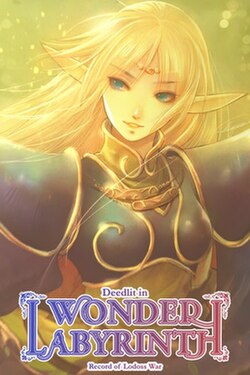

Record of Lodoss War: Deedlit in Wonder Labyrinth arrives on PS4 like a vintage sweater you dug out of the back of the attic: familiar, snug, and suspiciously covered in pixel art. Team Ladybug took the high elf Deedlit - who, according to the marketing, is a proud carry-on of the Lodoss legacy - stuffed her into a maze of memories and enemies, and handed her two elemental spirits that double as both tools and personality disorders. If you are the kind of person who hears 'Castlevania: Symphony of the Night' and 'Ikaruga' in the same sentence and thinks, 'Yes, but more adorable,' then this game is likely to make you nod in a very specific, satisfied way. The title was shepherded by Ryo Mizuno, the original author of the novels, which means the Lodoss label is not a cheap sticker slapped onto pixel sprites. It was built on Mogura Engine 2 and first crawled into Early Access on PC, matured through updates, and then sashayed onto consoles in December 2021. For those who track sales like they're following soap-opera plotlines, it sold over 100,000 copies on PC - evidence that there is still a market for high-quality 2D Metroidvania fare, or perhaps that nostalgia is a renewable resource. This review is for the PS4 build, which is effectively the full game with the final updates: six stages in total, boss rush and new game+ modes included, and an experience that lasts long enough to be satisfying but short enough not to make you miss sleep, friends, or sunlight. Consider it a hearty snack rather than a Thanksgiving banquet. Both are valid culinary experiences, depending on what you planned for the evening.
Deedlit in Wonder Labyrinth plays like someone lovingly reconstructed a classic Metroidvania with a clean modern engine, then whispered an Ikaruga mechanic into its ear. You explore a connected labyrinth map, collect items and power-ups, and unlock new areas by gaining abilities - the usual Metroidvania checklist, ticked with pixel-perfect precision. Weapons range from daggers to bows, and the bow is not just for ranged attacks; it's also your puzzle-solving stick, which is a welcome nod to the genre's sense of intelligent progression. The twist that keeps the gameplay from being purely familiar is the pair of elemental spirits you find: Sylph (wind) and Salamander (fire). Each spirit confers abilities and elemental damage alignment. Sylph gives levitation and wind attacks, while Salamander grants a slide and fire damage. Only one spirit can be active at a time, and the inactive one can be leveled up by collecting 'Soul Screamers' dropped by enemies. Level three of a spirit grants passive healing when active, and getting hit knocks the active spirit down a level, which cleverly encourages swapping and attention to risk. It's a neat resource-management puzzle in the middle of your action: you are juggling not only HP and MP but also the emotional state of two mythological roommates. Combat feels satisfying in a pixel-scrap, boss-heavy way. Bosses are the highlight: punchy, memorable encounters that reward learning patterns and exploiting elemental strengths. The game, however, leans toward a gentler difficulty curve. If your idea of a satisfying Metroidvania is a relentless endurance test, this might leave you wanting more. Conversely, if you prefer your progress to feel steady and your death penalties to be slightly annoying rather than life-altering, this is a relief. Dying reduces experience points and can knock you down a level - a reasonable sting - but save points let you continue without having to sell your console to pay a resurrection fee. Exploration is straightforward but can feel a touch linear compared to heavier Metroidvanias. The map updates as you uncover areas, but the environments are somewhat consistent in palette and theme, which can make backtracking feel like re-reading the same paragraph with different punctuation. There are weapon variations, magic spells, and a simple RPG stat system (HP starts at 100 and can be increased with life containers), but the depth is intentionally measured. It's not trying to be a sprawling RPG; it's a focused action-adventure with charm and a few interesting mechanical hooks - the spirit system chief among them. If the game has one recurring complaint among critics and casual players alike, it's length and underused ideas. There are bright sparks of creativity that could have been expanded - more puzzles built around the bow, more radical stage variety, more incentives to fully explore - but what exists is polished and tight. It's the sort of thing that comfortably fits a weekend playthrough and still leaves you with pleasant memories, rather than a backlog-clearing groan.
Visually, Deedlit in Wonder Labyrinth is a small triumph for sprite work. The pixel art is vivid, fluid, and surprisingly expressive for a side-scroller with limited scope. Animations are lively, bosses look like they were carefully drawn after a few cups of creative coffee, and the art direction leans into classic fantasy aesthetics without being overly precious about them. The team clearly respects the Lodoss legacy and the old-school look of '90s side-scrollers, but they also add detail and polish to keep everything readable on a modern TV. That said, the map locations lean similar to one another in color and motif at times. If you like your levels to scream 'unique identity' with every turn, you might file a polite complaint. If you appreciate a consistent visual language that keeps gameplay readable and the focus on mechanical flow, this will feel coherent and well-constructed. The soundtrack matches the action, energetic and faithful to the vibe; reviewers were mixed on whether it's unforgettable, but it does what music should do in a game: it keeps you moving and occasionally makes you want to hum during loading screens. Performance on the PS4 version is stable in my time with it. Controls are responsive: Deedlit handles like a character who knows what she wants and moves quickly toward it. Menus and the inventory system are simple and efficient, which is a very underrated form of charm. The game keeps visual distraction to a manageable level, although some reviewers noted moments where effects or enemy clutter can feel busy. On the whole, the pixel presentation is dignified, cute, and competent - basically the pixel-art equivalent of wearing a blazer with cut-off sleeves.
Record of Lodoss War: Deedlit in Wonder Labyrinth on PS4 is the kind of game that makes a solid argument for elegance over excess. It borrows the best bits from Symphony of the Night and sprinkles an Ikaruga-inspired mechanic on top, then bakes the whole thing into a compact, polished Metroidvania cake. It doesn't try to eat the whole bakery. It wants to be exactly one very good slice. If you want a sprawling, multi-hundred-hour adventure, look elsewhere. If you want tight boss fights, precise pixel animation, and a clever spirit-swapping system that nudges you to think between button presses, this will make you quietly satisfied. Fans of Lodoss who expect a deep, lore-heavy RPG may be disappointed by the light narrative, but fans of well-crafted 2D action will find a game that respects tradition while offering a few personality quirks of its own. Score: 7.5/10 - Dependably good, occasionally clever, and perfectly reasonable for a weekend of excellent pixel-based adventuring. It's proof that sometimes a shorter game, made with care, can leave you happier than a longer game made with ambition alone. Also proof that giving your protagonist a roommate spirit with mood swings is an excellent game design choice.
 Record of Lodoss War: Deedlit in Wonder Labyrinth on Xbox Series X/S
 Record of Lodoss War: Deedlit in Wonder Labyrinth on PS5
 Tintin: Destination Adventure on PlayStation
 Combat Elite: WWII Paratroopers on PS2
 Onimusha: Dawn of Dreams on PS2
 One Piece Grand Adventure on PS2
 Touhou Luna Nights on Switch










 Another SquareThought Site