

 Jun 2020
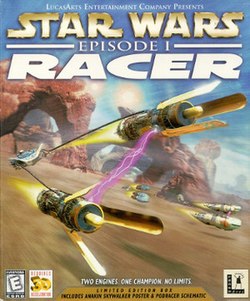

Star Wars Episode I: Racer is the video game equivalent of being strapped to a giant lawnmower while someone you barely trust yells 'Go!' and flames whoosh past your ears. Originally released in 1999 by LucasArts, this pod-racing sim was resurrected for modern consoles in 2020 and lands on PS4 with the stubborn confidence of a podracer that refuses to overheat-until it does. The game leans heavily on nostalgia: it recreates the chaotic Tatooine race from The Phantom Menace, lets you pilot every film racer (plus extras), and even brings back Jake Lloyd's voice as a younger Anakin because nothing says authenticity like the original cast saying lines into a microphone two decades ago. If you approach it expecting the glossy, physics-bending futurism of modern racers, you will be mildly disappointed. If you wanted to feel like you're hurtling through a desert canyon at the speed of bad decisions and slightly singed engines, you are in the right galaxy.
Episode I: Racer wears its arcade-racing heart on its scorched sleeve while trying to pretend it's a simulation. The core loop is satisfyingly simple: throttle forward, nudge the twin engines when you can, and scream internally as the afterburner gauge climbs toward catastrophic combustion. The boost mechanic is the game's personality. Engage the afterburner for juicy speed, watch the temperature needle creep up, and try not to become an expensive pile of scrap when the engine ignites. Overuse the boost and your podracer detonates in a cinematic puff of regret, costing you seconds and dignity. Collide with enough walls and obstacles and the same thing happens, which means success rewards both aggression and, paradoxically, caution. Tournaments are the meat of the single-player offering. Win races, earn credits, buy parts and repair droids, unlock tracks and racers, and generally feel like a mechanic with commitment issues. Free Race mode lets you practice unlocked tracks and tinker with opponent difficulty, while Time Attack exists to insult your best lap time if you play well. (Technical note: Time Attack wasn't on the original PC release-PC players got a workaround called Free Play-but the console re-release restores all the bragging rights.) The cockpit is minimalist in feedback but generous in thrills; the HUD gives you essential stats without smothering your peripheral vision, which is handy when your peripheral vision is occupied by a rival named Sebulba swearing at you in a foreign accent. Multiplayer historically varies by platform, and while the nostalgia of local split-screen racing lives on in memory, the PS4 re-release is more about reliving single-player glory than pioneering online mayhem. The original supported up to eight players over LAN on PC using IPX (yes, really-the internet protocols of yesteryear), or split-screen on N64 and Dreamcast. The modern ports are faithful in content more than in their networking quirks: you get the tracks, the racers, and the itch to shave milliseconds off your best time, but don't expect a bustling online community unless you bring your own friends and patience. The development backstory seeps into the gameplay. Developers set out to recreate the film's sense of speed and built a physics simulation from short film clips and educated guesses. They wanted an 'eyeball-peeling' sensation of velocity and mostly achieved it: corners blur, dust kicks up, and the world leans into the idea that you are risking both your life and an entire racing budget for a few extra meters of lead. Customisation is serviceable-tweak engines and parts to find a balance of handling versus top speed-but it's never deep enough to make you feel like a podracer engineer; more like someone who can read a wrench catalog. Replayability is bolstered by unlockables and the pleasant sting of difficulty. The AI is competitive without being malicious cheating software, though keeping up with the highest difficulty opponents requires memorising track layouts and learning where the boost will murder you. The soundtrack reuses the film's score, which is a double-edged lightsaber: it elevates the spectacle when things go right and makes you feel like a movie extra when things go wrong.
The PS4 port dresses up an old racer in new clothes but refuses to do any cosmetic surgery. Environments-Tatooine sand chasms, rocky canyons, and exotic off-world tracks-are attractive in a 'late-90s tech refreshed for 2020' way. Textures are cleaner than the cartridge era, models are sharper, and particle effects for dust and flames look healthier than their ancestors. The game never pretends to outshine contemporary AAA racers; instead, it channels the charm of polygons that learned a few Photoshop tricks. Lighting improvements on PS4 add depth to the desert vistas, and engine flames finally look like something you'd avoid touching with your eyebrows. If you're playing for photorealism, there's better work elsewhere. If you're playing because you want the sensation of speed to be communicated without the constant hand-holding of modern assists, the visuals do the job. Cutscenes that were once pre-rendered in the PC version were absent on cartridge-era platforms but feel appropriately small-screen cinematic on the PS4. The reused film audio-John Williams' thunderous motifs and those trademark podrace sound effects-pairs well with the visuals and masks a lot of flaws. In short: it looks like a respected classic that had a spa day, not a full reboot.
Star Wars Episode I: Racer on PS4 is a nostalgia-fueled rocket: it will singe your eyebrows, make you wince at overheated engines, and occasionally remind you why the original game sold millions. It isn't the deepest racer on the shelf, nor the flashiest, but it captures a frantic sense of speed and gives you enough mechanics-boost management, repairs, and tuning-to remain engaging. The single-player tournament structure offers progression and reason to return, and the game's history (IPX LAN parties, split-screen duels, and a D.I.C.E. award for Console Racing Game of the Year) gives it a pedigree that still matters to racing fans. If you seek cutting-edge physics, hyper-real visuals, or an online ecosystem teeming with strangers to race aggressively, this won't be your new addiction. If you want a tight, fast, slightly unhinged excursion into pod-racing where timing and temperature management matter as much as throttle, then this remaster is a tidy way to relive a very specific kind of chaotic fun. Score: 7.5/10. It won't convert you into a podracer mechanic, but it will make you respect the parts catalog and fear the boost gauge.
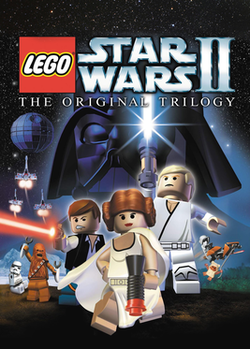
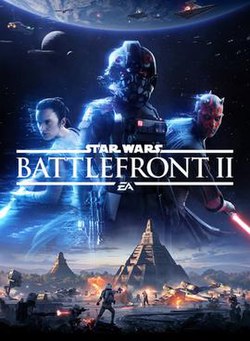 Lego Star Wars II: The Original Trilogy on PS2
 Angry Birds Star Wars on PS3
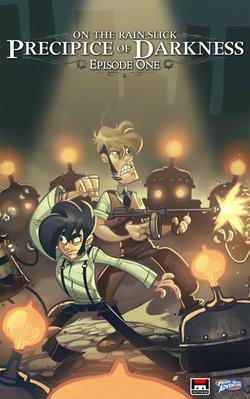
 Penny Arcade Adventures: On the Rain-Slick Precipice of Darkness Episode Two on PS3
 Roary the Racing Car on DS
 Team Sonic Racing on Switch
 Chocobo Racing on PlayStation
 Michael Schumacher Racing World Kart 2002 on PlayStation
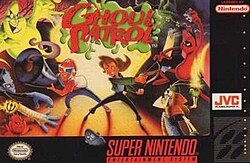
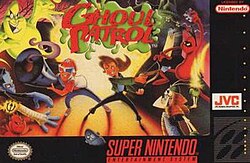
 Ghoul Patrol on Switch
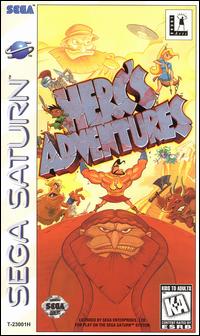
 Herc's Adventures on PlayStation
 Ghoul Patrol on PS4
 Star Wars Episode I: Jedi Power Battles on PS4
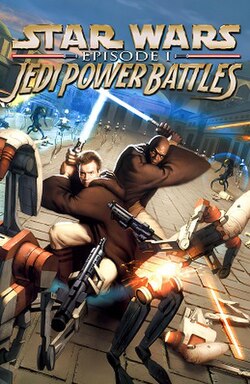 Star Wars Episode I: Jedi Power Battles on Xbox Series X/S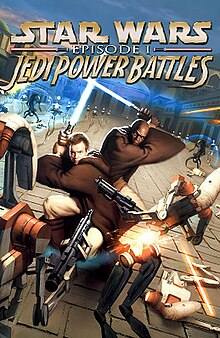










 Another SquareThought Site