

 Nov 2014
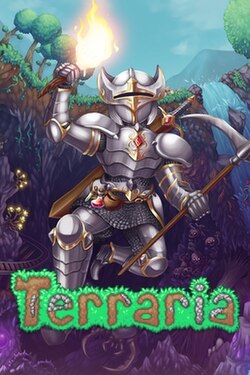

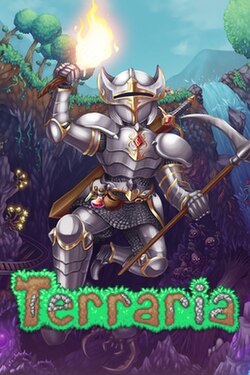
Terraria on PS4 is the videogame equivalent of being handed a shovel, a vague sense of purpose, and an infinitely patient pixel art world that immediately assumes you know what you are doing. Spoiler: you don't, but the game is fine with that. Originally launched on PC in 2011 by the indie outfit Re-Logic, Terraria arrived on consoles as a surprisingly well-aged stew of exploration, crafting, and mildly homicidal curiosity. The PS4 edition sits comfortably between 'retro aesthetic' and 'modern content deluge', inheriting decades of updates and an obsession with adding more things to do than a bored raccoon with a backpack. Critics liked it (PS4 Metacritic: 83/100), players liked it (millions of them), and the game kept getting patched until it started to feel like you were subscribing to a patchwork quilt rather than buying a product. If you like digging, looting, building, and occasionally crying into a pile of fallen bosses, this console port will hand you the controller and wait for whatever you inevitably make of it.
Terraria's pitch is simple: create a character, pick a difficulty, and enter a procedurally generated 2D world that does not pretend to have your life sorted. You start with basic tools, a helpful guide NPC who tells you slightly more than nothing, and a world full of biomes that promise resources, secrets, and the kind of enemies that exist solely to make you acknowledge gravity. Exploration is the engine. Caves bury ores, deserts hide sandstorms, and the forests host sunflowers that do nothing except look wholesome while you die trying to dig under them. Crafting is the other engine, and it's vast enough that the crafting menu sometimes resembles an IKEA catalog for weapons. Gather materials from the environment or enemy drops, take them to crafting stations, and fashion armor, potions, and weapons that progressively make you less fragile and more stylish. The equipment you wear defines your role: melee, ranged, magic, or summoner - though Terraria is refreshingly non-dogmatic about classes. If you want to swap from a sword to a wand mid-boss fight because you felt like it, the game won't judge. Mostly. Combat alternates between breezy and punishing, depending on whether you've accidentally summoned an event you don't understand. Normal enemies are fine. Bosses are not. The Wall of Flesh is the game's dramatic 'we're serious now' moment: defeat it and the world flips into hardmode, which is developer-speak for "we've added more things that will try to make your life miserable". Bosses are summoned by items or triggered by conditions, and they drop gear that often defines the next phase of progression. There are also mini-events - goblin invasions, pirate raids, alien attacks - which exist to remind you that your cozy home may be a strategic liability. Progression is less linear than a bullet train and more like a backpacking route taken by someone who reads every plaque. Defeating certain bosses and collecting specific items attracts NPCs to live in houses you've built. These NPCs sell services (the nurse heals you, the angler likes ponds) and, delightfully, will lower prices if their happiness metrics - based on biome and neighbours - are high. Building an NPC village is a low-stakes social experiment with pixel people. Difficulty is modular: classic, expert, master, and the oddly comforting journey mode. Journey mode is Terraria's concession to players who like being in control: you can duplicate items, tweak weather, and fiddle with time. Expert and master modes raise the threat level in exchange for exclusive loot, which is great if you enjoy trading your sleep for bragging rights. Multiplayer works well on consoles and is a recommended route if you prefer your disasters shared. Local co-op is a nice touch for the PS4 crowd who still enjoy sitting on the same couch and blaming one another. The game also supports modding via tModLoader on PC; while console mod support is limited compared to Steam, the mod ecosystem on PC has become a major part of Terraria's longevity, adding bosses, biomes, and the occasional reason to return after you've convinced yourself you're finished.
Terraria dresses itself in 16-bit nostalgia and then proceeds to be surprisingly modern about how it uses that look. The sprites and environments are deliberately retro, evoking SNES-era pixel art without pretending to be a relic. Lighting, weather effects, and the sheer variety of biomes give the game visual personality: underwater caverns, glowing temples, and corrupted deserts all have distinct palettes that make you feel clever for having stumbled upon them. On PS4, the pixel art is crisp, the frame rate solid, and the control scheme benefits from the console's ergonomics - reviewers have praised console controls in general. The UI, which received mixed reactions on older console versions, feels adequate on PS4: not intrusive, occasionally clumsy when you want to manage hundreds of items, but functional. Terraria's graphics never aim to floor you with photorealism; instead, they reliably charm and occasionally make you stop and admire the way a sunset pixel is arranged. That's a sentence you will not regret writing once you have spent eight hours building a home with a moody lighting setup.
Terraria on PS4 is the long, patient work of an indie team that kept adding content until the game resembled a small continent of ideas. It is generous with options: build, mine, fight, attract NPCs, fish, golf if that's your thing - and when you think you've seen everything, the developers and modders will add another biome just to prove you wrong. The port benefits from console-friendly controls and local multiplayer, and the PS4's performance is consistent with what reviewers expected (Metacritic reflected that with an 83/100). It isn't perfect: the sheer amount of systems and recipes can be bewildering, and the user interface sometimes scrapes against practicality when your inventory looks like a hoarder's art project. But those are mostly complaints about abundance rather than omission. If you want a game that rewards curiosity, tolerates experimentation, and will gently punish complacency, Terraria is still an excellent choice on PS4. It's the sort of game that convinces you to stay up 'just one more hour' and then hands you an entirely new boss at 2 a.m. with the casual insolence of a refrigerator light left on. Score: 8.3/10 - because it keeps surprising you, mostly for the better, and because somewhere in a pixelated cavern a boss is waiting to make you feel humble again.
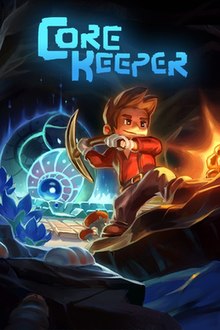
 Core Keeper on Xbox Series X/S
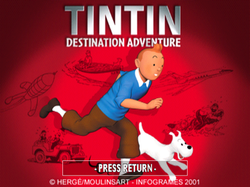
 Tintin: Destination Adventure on PlayStation
 Disney's Chicken Little: Ace in Action on PS2
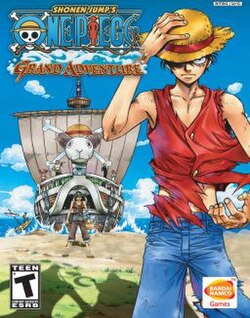
 One Piece Grand Adventure on PS2
 Taiko no Tatsujin: Dokodon! Mystery Adventure on Switch










 Another SquareThought Site