

 Nov 2020
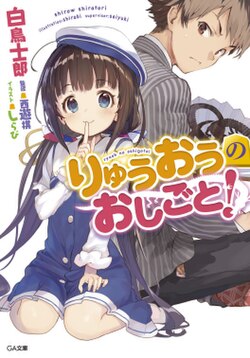

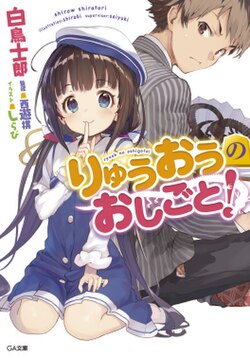
If you have ever watched a twelve-episode anime about a broody teenage shogi prodigy, a posse of extremely earnest nine-year-olds, and a family inn that doubles as a plot device, congratulations: you already know the elevator pitch for The Ryuo's Work Is Never Done! on PS4. The title is an adaptation of Shirow Shiratori's light novels (and their anime/manga offshoots) about Yaichi Kuzuryū, who becomes the youngest Ryūō in history and promptly inherits a coaching crisis with minor legal complications involving a promise to marry should things go poorly for his pupil. The game arrives at the odd intersection of shogi sim, character drama and visual-novel pacing. It trades the paperback page for cutscenes and controller inputs, and in doing so imports a very specific tonal balance: earnest competitive strategy, awkward interpersonal situations, and the sort of earnest comedy that earned the novels top spots in Kono Light Novel ga Sugoi! back in 2017 and 2018. If you liked the anime's first five volumes material (the adaptation span for the franchise's earlier media), you'll feel right at home. If you did not, this will be the PS4 equivalent of politely declining tea while they explain the rules of a board game you did not ask to learn.
Gameplay is split into two main modes: story sequences and shogi matches. The story sections play like a visual novel with fully voiced scenes (the cast includes familiar names from the anime adaptation-Yuma Uchida as Yaichi, Rina Hidaka as Ai, Hisako Kanemoto as Ginko, and others-so the bridge between anime and game is professionally cast and comforting). These interludes are where the game earns its narrative salt: qualification exams, training groups, first tournaments, and a seven-round title match against an imposing Meijin are all presented with the same earnestness fans of the source material expect. The shogi portion is where the game pretends to be serious and mostly succeeds. Matches are presented on a clean board UI, with options for hints, rewind moves, and varying AI difficulty. Beginners can lean on tutorials that explain basic openings and tsume shogi (checkmate puzzles), which is handy because the narrative leans heavily on late-game finishing skills for certain characters-Ai Hinatsuru's specialty, according to the original text. For more competent players the AI offers reasonable aggression and will occasionally punish sloppy tempo loss or an overambitious attack. There are training drills, puzzle packs and the occasional exhibition match where the stakes are dramatically explained beforehand so you can stress about them in comfort. Choice moments in the visual-novel sections affect short-term stat gains-training decisions, who you coach, whether you obsessively review a kifu-and these feed into your performance in matches. The system is serviceable rather than innovative. It's possible to feel like a proper master guiding multiple disciples (Ai Hinatsuru and Ai Yashajin show up, along with Keika, Ginko, and friends from the training group), and seeing the characters' growth on the board is satisfying. The game is not a deep grand strategy simulator of professional shogi leagues; it is instead a story-driven shogi experience where the board matters because the plot wants it to. That brings us to the game's pacing problems. The story-heavy sections can feel imbalanced: long stretches of exposition and character banter bookend tightly contested matches. For some players this is the point; watching the apprentices learn and the protagonist shake off a slump is the reward. For others it is the equivalent of having to sit through three hours of someone's motivational speech before they let you play a single round of chess. Replayability is anchored in the different outcomes for certain promotion matches and the usual 'I'll do that other route next time' impulses, but narrative branching is limited-a second playthrough mostly reveals missed lines rather than entirely new arcs. Accessibility is good. If you don't know shogi, the game offers a gentle ramp. If you do know shogi, you won't be insulted; the tactical demands in later matches grow appropriately. Difficulty scales, and there's a cheat-friendly rewind for the impatient, which is a merciful inclusion given the game's tendency to have your carefully planned endgame undone by a single misclick or an AI that remembers the rules better than you do. The subject matter sometimes flirts with discomfort because one of the central plot hooks is an agreement that Yaichi will marry Ai if she doesn't earn a title before graduating middle school. The game treats this premise in the same awkwardly earnest way the novels do-more as a narrative ticking clock than a serious marriage contract-but players should be aware that the original material's setup is preserved and can read odd in context. The game does not dramatize or sexualize underage characters; it preserves the family/mentor dynamics and the competitive heart of the story, but the premise remains bone-dry awkward.
The presentation leans into the anime lineage: static visual-novel portraits, occasional 3D character models for board-side animations, and tidy UI elements that keep the shogi board the visual star. Character portraits are well drawn and expressive, translating Shirabii's light-novel art into on-screen assets with fidelity. Cutscenes use limited animation-more deliberate pans, hands moving pieces, and reaction frames than full-motion anime-but this is an aesthetic choice that fits the game's budget and its focus on cerebral tension rather than flashy spectacle. Board visuals are clear and readable on a TV. Pieces, notation and kifu playback are easy to follow, which matters more than fancy shaders when you're trying to calculate a mate in three. Backgrounds and cafe/inn settings are pleasant but unremarkable; the environments serve the narrative without demanding applause. Sound design benefits from the franchise's musical pedigree-Kenji Kawai composed music for the anime, and the game's soundtrack leans into understated motifs that echo the series' themes. The opening and ending themes of the anime are a nice nostalgic touch if you've followed the show, even if the game itself doesn't always give them marquee placement. There are no technical horrors to report: framerate is stable, loading times are sensible for a PS4 title, and the menus are responsive. If you're expecting the sort of visual fireworks modern action games offer, this is not that. If you want clean, functional presentation that keeps focus on the board and the characters, it does the job well.
The Ryuo's Work Is Never Done! on PS4 is a well-meaning adaptation for people who like their strategy served with character drama and the occasional awkward family bargain. It will please fans of the light novels and anime by faithfully recreating the cast, voice actors, and the shogi-centric heart of the story. It is not, however, a reinvention of the shogi videogame genre. The gameplay is solid and accessible, the story sequences are fully voiced and earnest to a fault, and the presentation is tidy and functional. If you are a shogi novice with patience, the game is a gentle tutorial wrapped in a narrative about mentorship and rivalry. If you are an experienced shogi player, the matches are satisfying and the narrative beats add weight to otherwise routine practice. If you are neither but you like quiet character pieces with occasional board-game tension, you might find something to enjoy here. The game's flaws are mainly pacing and limited branching-long stretches of talk occasionally disrupt the rhythm of play-and an original premise that can read awkwardly in 2020s light. Still, it accomplishes what it sets out to do: present a faithful, playable slice of the Ryūō world. Score: 7/10. Consider it recommended for fans, tolerable for the curious, and unlikely to convert anyone who hates long dialogues and earnest coaching montages. If the thought of coaching a tiny shogi prodigy into greatness while worrying about inheritance clauses sounds like emotional labor you can enjoy on a Saturday night, this is your console.
 Peter Pan: The Legend of Never Land on PS2
 Never Stop Sneakin' on Switch
 Microsoft Xbox Series X/S
 Nobunaga no Yabou Online: Haten no Shou on PS2
 Tokimeki Memorial Drama Series Vol. 3 Tabidachi no Uta on PlayStation
 Tsuribaka Nisshi on PlayStation
 Ultraman Fighting Evolution on PlayStation
 Dora the Explorer: Dora Saves the Snow Princess on PS2










 Another SquareThought Site