

 Jul 2019


There is a certain comfort in brutality when it comes to strategy games, an honesty to the rules that doesn't apologize for slaughtering your favourite units because you left a southern gate unmanned. They Are Billions wears that brutal honesty like a brass knuckle. First seen as an Early Access curiosity on PC in late 2017 and grown into a full campaign by mid-2019, this steampunk-tinged, post-apocalyptic defence strategy game has made the leap to PlayStation 4 via BlitWorks. It looks and plays like it had one clear directive: make you feel small in the face of a mindless, inexorable tide. If you remember the 1990s era of magazines that treated strategy as holy writ and loss as a learning opportunity, this port is written in the same ink. It is uncompromising, occasionally glorious, and mercilessly tuned to remind you that you are, in fact, just a colony administrator with a fondness for walls and artillery.
They Are Billions sets a simple brief: build a base, manage a handful of precious resources, research technologies and survive waves upon waves of infected. The twist is scale and randomness. Each map is randomly generated, and the landscape is dotted with Villages of Doom-tempting resource caches that can erupt into a swarm if you blithely loot them. The game forces you to consider trade-offs constantly. Do you send scouts into the forest to harvest wood and find an oil deposit, or do you tighten the perimeter and pump out houses to raise your worker count? The eight tracked resources-gold, food, workers, wood, stone, iron, oil and energy-read like the arcane currency of a civilisation clinging to sanity. Everything you build and every soldier you field is an arithmetic problem in risk. Combat is less about one-on-one heroics and more about geometry and preparation. Walls, towers, turrets, traps and chokepoints are the primary language here. Zombies come in a cast of gruesome archetypes: sloths of the infected world that merely smother defences; Harpies that sprint like a bad idea with teeth; Chubbies who shrug off lead with the smug indifference of a heavyweight boxer; and the Infected Giant, a highlighted menace on the minimap that requires you to choose whether to divert resources from expansion to punch it a big, expensive hole. The idea of a "domino effect"-one breached building leading to a cascade of infection-is not a throwaway phrase but a weekly menace that will punish overambition. The game is fundamentally a real-time strategy affair, but it gives you the option to pause and issue orders. This tactical pause is crucial and harks back to a 1990s sensibility of deliberate play: instead of reflexes alone, you can plan, queue, and juggle. The tech tree opens up mercenaries, renegades and specialised units, and the campaign weaves these unlocks into missions that stretch from the northern Western Seaboard to Mega York. The narrative provides context-the late 22nd-century collapse after a Rabies Z pandemic, Emperor Quintus Crane's drive to expand the Empire from its crater-bound sanctuary-but it is primarily scaffolding for the brutal puzzle of survival. Two main modes exist: the full campaign "New Empire," which ties progression and narrative together, and the survival mode that made the PC edition a sleeper hit. On PS4 the experience translates well, but the learning curve is steep. Early losses are common and educational; each defeat feels earned and often hilarious in the pugilist-comedy sense-your cleverly designed outer ring cornered by fast Harpies while you were off building a second tower. The port by BlitWorks preserves the game's mechanics and the feeling of escalating dread, though the controller interface requires adjustment if your hands are nostalgic for mouse precision.
Visually, They Are Billions favours clarity over photorealism, which is both a stylistic and practical choice. The game's steampunk palette-rusty metals, soot-darkened ruins, brass-accented buildings-suits the world's regression in technology and looks at home on a living room screen. Units and structures are readable, an essential quality when dozens, then hundreds, then thousands of little corpses begin to form queues outside your gates. The minimap smartly highlights threats such as the Infected Giant, letting the player feel like a general with a pair of binoculars and an increasingly bad headache. On PlayStation 4 the frame-rate holds up well for the most part, although extremely large late-stage hordes can push the hardware and produce occasional stutters. Text and UI elements have been adapted for controller use without betraying the layout fans will remember from the PC version. The art direction is tasteful and efficient rather than flashy-terrain matters and is easy to read, and the cinematics in the campaign are functional and occasionally evocative, especially the final approach to the collapsed statue that now serves as the "Goddess of Destiny." If you wanted a graphical showpiece that wows for individual character models, this is not that kind of game. It is instead a clear, coherent visual toolset for tactical thinkers.
They Are Billions is a stern tutor in hubris and preparation, a title that rewards foresight and punishes theatrical optimism. Its blend of tower-defence geometry and RTS resource juggling is intoxicating for players who relish methodical, high-stakes decision-making. The campaign adds narrative ballast-mutated rabies, a hollowed-out megacity, and a dictator-general named Quintus Crane-but the joy is in the grind of expansion and the sick, satisfying contretemps when your turret ring holds against a last-minute horde. For PlayStation 4 owners the port is competent and faithful; it brings the PC savagery to the couch with only minor compromises. Critics have been kind but measured-PS4 sits around a 72/100 on Metacritic-and the sales and award nods the game attracted reflect that same earnest respect. If you are a patient strategist who enjoys learning by spectacular, repeatedly humiliating death, They Are Billions offers many hours of tense, deliciously bleak amusement. If you prefer pick-up-and-play heroics, expect a rough apprenticeship. Verdict: a rewarding, relentless exercise in fortress design and resource calculus-7.2 out of 10.
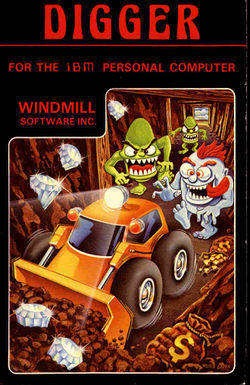
 Digger HD on PS3
 Army Men: World War on PlayStation
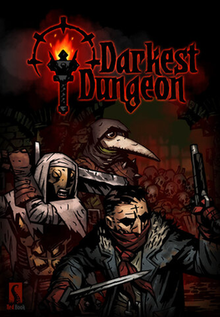
 Darkest Dungeon on Switch
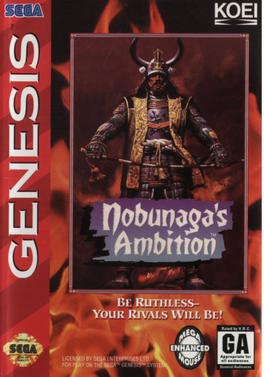
 Nobunaga's Ambition: Iron Triangle on PS2
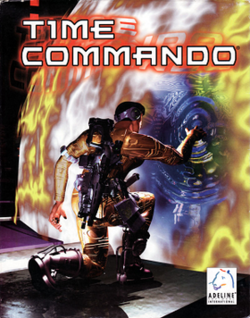
 Time Commando on PlayStation
 Super Time Force Ultra on PS4
 Time Crisis on PlayStation









 Another SquareThought Site