

 Mar 2017
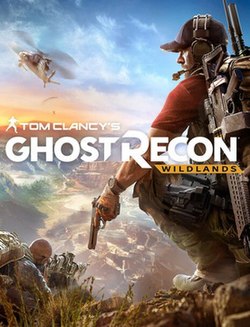

Tom Clancy's Ghost Recon Wildlands is the game you get when a long-running tactical shooter franchise decides it needs a midlife crisis and buys a very large map. Released in March 2017 for PS4 (and a few other platforms), Wildlands is the first Ghost Recon to shrug off sci‑fi helmets and embrace modern-day Bolivia, complete with mountains, deserts, salt flats and more cartel drama than a daytime soap with body armor. Ubisoft billed it as one of their biggest open worlds, and they were not lying-unless they were lying very attractively. You play as Nomad and his loyal, interchangeable squadmates - a quartet of discreet murder-tourists known as the Ghosts - who are dropped into a country turned into a very cinematic narco-state by the Santa Blanca cartel. The aim is simple: destabilise the cartel by shredding its leadership hierarchy, collect enough intel to make them uncomfortable, and occasionally remind the plot that the Ghosts have a budget for drone upgrades. The result is an enormous sandbox where planning meets improvisation, and improvisation usually wins because someone walked into an enemy patrol while you were naming the car you stole.
Wildlands is a tactical, cover-based shooter played from third-person with an optional first-person aiming view - which is helpful unless you prefer trusting a distant camera and your own poor decisions. The game gives you a handful of sensible toys: drones to tag enemies, parachutes for theatrical entrances, a ridiculous number of vehicles for avoiding terrain or morality, and mortar strikes for when subtlety has left the chat. Drones start modest and become less of a drone and more of a tiny airborne detective as you upgrade them. The open world is divided into 21 areas controlled by buchones - cartel lieutenants assigned to four operational divisions (Influence, Security, Production and Smuggling). Clear enough missions and gather intel, and you unlock buchon-hunting missions, which can result in killing or capturing targets. Knock enough buchones out of their comfy armchairs and you get to pick off underbosses, then division heads, then possibly the cartel boss if you did your homework and didn't spend all your time on side missions that let you drive a dune buggy into a lake for the 47th time. The game politely encourages variety: stealth infiltration under the cloak of night gives you an edge because many guards are asleep, while daytime assaults let you admire scenery and be spotted from 800 metres. Enemy behaviour is advertised as unscripted, supposedly with "motivations and agendas" - which mostly translates to "some guards will patrol like they mean it, others will spawn from foliage like paper tigers." Patrols are the game's chaotic X‑factor; carefully laid plans can be ruined when a fortified checkpoint decides to GTFO and appear in your flank. You can tackle missions alone with three AI teammates who obey orders, or with up to three other players in co-op - and this is where Wildlands is at its most forgiving and fun. The AI squadmates are serviceable backup and can be disabled if you prefer true lone-wolf nonsense. Multiplayer adds an easy-to-enjoy layer: you can coordinate flanks, tag enemies like a very violent game of 'pin the tail', and revive friends when they forget the rules of tactical positioning. A competitive 4v4 elimination mode was added after launch (October 10, 2017) with revives and class progression. It's fairly functional but it never stole the show from the sprawling PvE sandbox. Post‑launch content expanded the world with DLCs ranging from Narco Road (an undercover crime‑tastic motorcycle gut‑punch), Fallen Ghosts (a darker return to Bolivia), to special ops tie‑ins that read like guest stars on a very violent crossover episode: Predator (yes, Predator), Operation Watchman with Sam Fisher, Operation Archangel bringing in Rainbow Six operators like Caveira and Twitch, and Operation Oracle which introduced Jon Bernthal's Walker - a plot thread that neatly seeded the sequel. There are some rough edges. Controls can feel stiff at times (aiming drew complaints at release), and vehicle handling wanders between "fun chaos" and "why are we flying backwards?" Missions tend to reuse the same structural beats - infiltrate, gather intel, clear the outpost - so the map's staggering size sometimes masks a playlist of variations on the same idea. Still, when everything clicks - a silent takedown, a perfect drone tag, and a coordinated flank with friends - Wildlands briefly attains tactical elegance.
Wildlands runs on a beefed-up AnvilNext 2.0 and it shows when you look at the vistas. Mountains, salt flats and forested valleys are photographed with a generosity toward dramatic lighting that makes you forgive the odd NPC who behaves like an extra in a very expensive movie set. Reviewers were split: some praised the sheer scale and beautiful, varied environments; others said the world felt occasionally hollow, as if someone forgot to tell the civilians they were in the background. Textures and scenery are frequently impressive - GameStar singled out sharp textures and convincing shooting - and the dynamic weather and day‑night cycle add meaningful tactical wrinkles. Fog rolls in and gives you cover; nightfall turns missions into people-and-shadow Tetris. On PS4 the game performs admirably for such a large map, though you will spot pop‑in, questionable NPC schedules, and the occasional animation stumble. The technical package is not flawless, but the vistas are often worth the trip even if the world sometimes behaves like cardboard dressed up in digital wallpaper.
Wildlands is an odd marriage of Blink‑and‑you'll‑miss‑it tactical moments and very loud playground insanity. It is best approached as a co‑op toybox: gather three friends, assign roles, and watch how a well‑timed drone and a mortar strike turn a cartel outpost into modern art. Solo play is viable thanks to reasonable AI teammates, but some players will miss the tighter, more disciplined feel of older Ghost Recon entries. Criticisms about repetition, patrols wrecking plans, and control niggles are fair - the game has rough spots and a habit of leaning on mission templates. Its strengths are the scale, the ability to approach problems multiple ways, the gratifying takedowns, and the sheer cinematic fun of parachuting in and making the map resent you. It sold well for a reason: the premise works, the world is enjoyable to explore, and the co‑op is reliably entertaining. Score: 7/10. Not perfect, occasionally maddening, but often rewarding - particularly with friends and an appetite for open‑world, tactical chaos. If you want tactical depth without being punished for whims, bring backup. If you want to stare at mountains and then launch a missile for moral reasons, this game politely hands you the launcher and a map.
 Ghostbusters: Spirits Unleashed on Xbox Series X/S
 Pac-Man Championship Edition DX+ on PS3
 Tom Clancy's Rainbow Six: Vegas on PS3
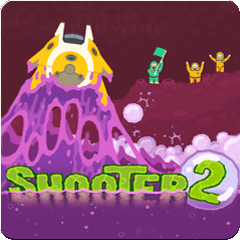
 PixelJunk Shooter 2 on PS3
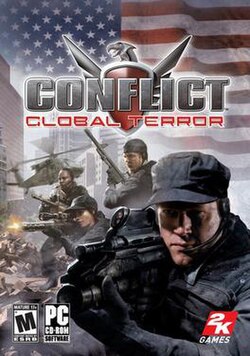
 Conflict: Global Terror on PS2
 Crimson Sea 2 on PS2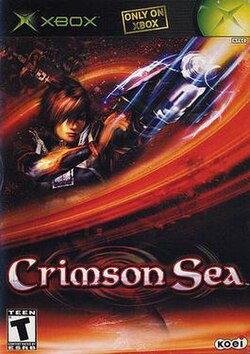










 Another SquareThought Site