

 Mar 2017
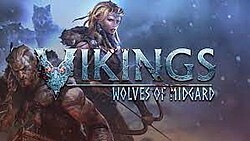

Vikings: Wolves of Midgard is the sort of game that dresses up an action-RPG in fur, horned helmets, and a heavy dose of Frost Jötun mood lighting, then asks you to care deeply about a village of people who probably smell of smoked fish. At its center is the player character - christened by prophecy as the War-wolf - whose arc is less about becoming the very best axe-swinger in the Nine Realms and more about the messy business of leadership: stepping into a chieftain's shoes that are still warm from the last owner getting a Jötnar-shaped surprise. If you approach the game expecting only loot pinging and minions dying, you'll get that. If you're tuned into characters, choices, and how a few runes and a ring can change power dynamics, the game has surprising heart. The narrative sets a clear engine beneath the combat: your protagonist rises from rescued warrior to chieftain overnight after a Grimnir-led raid. That instant promotion is the game's storytelling hook - you're forced to grow up fast, and the people you saved become not just NPCs with shop icons but the threads that pull your arc forward. Volund the Blacksmith, Hildibrand the Armorer, Helga the Skald and others are less caricature and more responsibilities; their survival, morale, and fates are what the story uses to make leadership decisions feel meaningful. The gods of Asgard - Odin, Thor, Tyr, Skathi, Loki - don't just hand out abilities like a convenience store; they want blood offerings, and thus the protagonist's relationship to divine power becomes a moral ledger as well as a progression system.
On paper, Wolves of Midgard plays like a love letter to Diablo: create a hero, choose appearance and stats, then clear levels for loot and blood. Instead of experience points you collect blood to sacrifice at divine altars, which is a neat narrative-mechanical marriage: each offering is literally you bargaining with the gods for strength to protect your people. The game moves between a hub - the Ulfung village - and linear, self-contained raid maps. Story missions unfold as 'raids' with puzzles, collectibles, and boss fights; once completed you can return to maps as 'hunts' with kill objectives. That structure feels pleasantly old-school and allows the narrative to breathe between set-piece encounters. Gameplay choices neatly echo the chieftain arc. Wood and iron resources are used to upgrade the village, unlocking new tiers of skills and equipment; investing in your settlement is investing in your people's future. When you decide whether to plunder defeated tribes or accept their fealty, the game reframes a loot decision as a political one. Kill a rival warchief and you can either force tribute or consolidate resources - both improve your mechanics, but one makes you an iron-fisted ruler, the other a unifier. These moments turn otherwise functional choices into character-defining beats. Companions and one-off allies populate this world in service of both combat and story. Skallagrim the shipwright and Frakki the runesmith have straightforward combat contributions, but their sidequests reveal motives and backstory: saving Frakki from a troll siege doesn't feel like check-the-box content because it feeds into the larger picture of who your people are and why they rally to you. Opponents like Grimnir and the ambiguous giantess Simul deliver more than damage numbers - Grimnir's raids set your origin story in motion, and Simul's betrayal throws into relief the limits of diplomacy and the consequences of hubris. The game's handful of major choices, like whether to give Vala the Draupnir ring you steal from Simul or to keep it, are small moral kidney punches; handing the ring back nets Odin's favor, but hoarding it feels like the sort of grab an ambitious chieftain might make. Combat itself is weighty and satisfying: heavy hits, shields, weapon switching, and runic abilities give fights a tactile feel. Boss encounters frequently mark narrative milestones - killing Skalli, clashing with Bellatrix, or facing down Garmr each punctuate chapters of the protagonist's saga. Multiplayer supports two players and, after updates, PS4 gained couch co-op, which turns the story of rebuilding a village into a slightly less lonely affair. The absence of couch co-op at launch was a sore spot for console fans, but the later addition matters: these character-driven beats play better when someone else can point and laugh at your wardrobe choices while you debate whether to plunder a rival tribe.
Wolves of Midgard earned Slovak Game of the Year Awards for Best Visual Design, and that praise isn't theatrical. Running on Unity 5, the game paints its world with frosty blues, burning embers, and the satisfying grime of lived-in Viking life. Environments - snowy valleys, ice caverns, ancient tombs, and bustling harbors - often hit the right tone: bleak when they should be bleak, luminous when runes or divine magic flare up. Character models are serviceable and expressive enough to sell emotional beats, especially in close-up scenes where the War-wolf's choices intersect with NPC reactions. There are rough edges: repetition in some map themes and occasional technical hiccups remind you that this is an indie studio pushing ambitious design. The Norse aesthetic is heavy-handed at times (furs everywhere, very many horned motifs), but it's a world you can believe in, and the visual language supports the storytelling: Simul's domains feel otherworldly, the Dvergar holdings carry a claustrophobic, metallic weight, and the devastated villages make your rebuilding efforts feel earned. The UI and loot presentation aren't flashy, but they're clear, letting the characters and environments take center stage.
If you're after a pure loot treadmill with zero interest in consequences, Wolves of Midgard will still scratch that itch. If you want an action-RPG that asks you to weigh decisions in the name of leadership, and to watch a ragtag tribe transform under your stewardship, the game is unexpectedly thoughtful. The War-wolf's arc - from battered survivor to community leader making hard choices about allegiances, punishments, and sacral bargains - is the title's beating heart. Side characters like Vala the Seeress, Volund the Blacksmith, Skallagrim, Frakki, and the treacherous Simul provide texture and stakes, turning boss fights into chapters and loot into narrative fuel. There are imperfections: some maps loop too often, a few systems feel repetitive, and the writing could use more depth in places (the story section on the game's wiki even asks for expansion). Still, the marriage of mechanics and myth - blood offerings to gods, village upgrades as political capital, and rings and runes that force decisions - makes Wolves of Midgard one of the more satisfying Norse-flavored action RPGs of its generation. For players who like their combat chunky, their choices to matter, and their villages to feel like something worth defending, this is worth a cold-night buy. Score: 7.5/10.
 God of War Ragnarök on PS4
 Valkyrie Profile on PlayStation
 Combat Elite: WWII Paratroopers on PS2
 Onimusha: Dawn of Dreams on PS2
 Disney's Chicken Little: Ace in Action on PS2
 Tokyo Xanadu eX+ on PS4
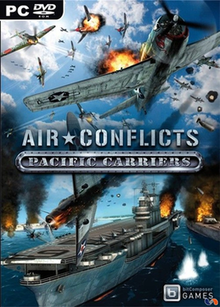
 Air Conflicts: Pacific Carriers on PS3
 Air Conflicts: Pacific Carriers on Switch
 Air Conflicts: Pacific Carriers on PS4
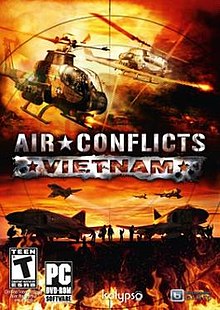
 Air Conflicts: Vietnam on PS4
 Air Conflicts: Secret Wars on PS3










 Another SquareThought Site