

 Oct 2026
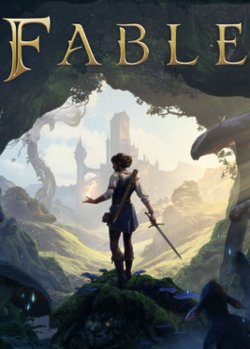

Playground Games' Fable reboots Albion with a grin, a sword, and the faint scent of British awkwardness. If you remember the old Fable games as a place where your eyebrows could physically change based on your morality, this new instalment promises the same mischief wrapped in modern tech: ForzaTech under the hood, open-world play, and a narrative that wants your choices to feel personal rather than just numerically consequential. The story kicks off with a classic childhood-hero-getting-powers trope, but it quickly layers on family drama (grandmas turned to stone), mentorship (retired heroes who didn't sign the 'age gracefully' waiver), and a world full of micro-story arcs powered by over a thousand voice-acted NPCs. This review digs into the characters and the arcs they bring to Albion's fairy-tale table - and yes, we will talk about romance options and real-estate bragging rights because nothing says "hero" like a snazzy second home.
Fable plays like a narrative sandbox where character arcs are not passive cutscenes but mechanical levers. The player character is the narrative fulcrum: begin as a kid discovering powers, suffer the village-turns-to-stone inciting incident, then step into adulthood in Briar Hill to answer questions you didn't know you had. The core gameplay supports that arc by making choice and reputation matter beyond a currency meter. Social actions triggered by controller inputs let you perform quick gestures or quips that alter how NPCs perceive you - these are small mechanical moments that accumulate into a public persona. Reputation is therefore both a story device and a gameplay variable: a mean-spirited hero will see certain relationships and quest paths close off, while a charming misfit opens other scenes. The reboot's morality system returns with teeth; choices witnessed by the world ripple into how townsfolk react, which in turn changes the types of arcs you can access. Combat is deliberately flexible to reflect character growth. Switching between melee, range, and magic mid-fight feels like changing modes of expression for your hero: swords for blunt-force personality, bows for measured decisions, spells for dramatic flair. This fluidity supports arcs where the player's preferred combat style can be read as part of their identity. The game rewards experimentation and, more importantly, ties combat reputation into narrative consequences - a hero who relies on dark magic might find doors in polite society closing, while a swashbuckling public favorite gets invited to the Heroes' Guild's selfies-and-scones events. Humphry - Albion's retired legend, voiced by Matt King - is handled as an archetypal mentor whose arc is less about teaching you to parry and more about learning to live with regret. Dragging the grizzled former hero back into action gives the reboot a counterpoint to the player's fresh-ambition narrative; he is the mirror that shows what a lifetime of heroics looks like on a person. Humphry's return-to-duty plotline is deliberately laced with the idea of legacy: his arc asks whether heroes are defined by their greatest days or by how they behave in the quiet ones. Expect their interactions to probe themes of mentorship, fallibility, and the oddities of fame in a tiny kingdom. The grandmother-turned-to-stone is a classic catalyst - maternal, personal and effectively a stand-in for the entire cost of the story. This event nudges the player's arc from 'learn-your-powers' to 'seek-accountability', transforming the game from a skill progression loop into an emotional quest. Where many action-RPGs keep the personal and political separate, Fable weaves them: the personal loss pulls the hero into Albion's broader conspiracies, and the player's decisions about how to pursue justice shape the world's ending possibilities. Playground Games' emphasis on over a thousand handcrafted NPCs isn't just PR glitter; each NPC is an opportunity for a micro-arc. Because so many characters are individually voice-acted, side quests and small-town dramas feel less like filler and more like threaded stories that react to the hero's public face. Romance and marriage systems mean that intimate arcs can be pursued alongside kingdom-threatening ones, and relationship outcomes will affect narrative beats. Owning houses, building properties, and integrating domestic life into your journey turns the hero's arc into something that can include 'adulting' - housing choices become statements about who the hero is, economically and ethically. Narrative design favors player agency and open-ended exploration. There is no visible countdown forcing rushed decisions; instead, the game gives you space to let arcs breathe. That choice architecture is a double-edged sword: it allows for nuanced character development, but it also risks diffusing tension if a player lingers too long in the social sandbox. Still, for players who like soldering together the pieces of a life's story - mentor, enemy, lover, neighbor - Fable's systems appear designed to let those arcs interlock organically.
Under ForzaTech, Fable's world looks built to be both pretty and performative. Albion's fairy-tale aesthetic avoids grimdark murals and instead aims for whimsical texture: cobbled streets, timbered houses you can actually enter, and the glossy personality animations that make British awkwardness land in every conversation. The engine's pedigree from racing games shows in the scale and fluidity; animations for traversal and combat look smooth, and the game's lighting sells the "storybook" vibe without pretending everything is saccharine. A highlight worth mentioning in character terms is the animation of faces and gestures - important for a game that leans on social inputs and micro-expressions. With every NPC being voice acted, subtle animation polish is crucial so the emotional beats land. The presence of actors like Richard Ayoade (featured in early trailers) signals an intention to make dialogue scenes memorable. Visuals also support player identity: customization, changes in posture or costume reflecting morality, and fully enterable homes make your choices visible. While the final fidelity will depend on the release build, the ForzaTech base and Playground's open-world experience give confidence that Albion will be lush, reactive, and occasionally cheeky in the way it winks at the player.
Fable's reboot promises a narrative playground where character arcs are the real loot. The hero's journey - from childhood discovery to adult reckoning - is bolstered by a morality system that matters, a mentor in Humphry who complicates simplistic heroism, and a web of voiced NPCs that makes side stories worth caring about. Playground Games is trying to have it both ways: the game is a modern, visually ambitious open world and a focused character drama where choices shape who you become. The British humour influence (think The Office's awkward silences and The IT Crowd's silly human failings) should flavor interactions with a grounded, often hilarious tone that prevents Albion from becoming twee. There are risks: open-ended pacing can dilute narrative urgency, and balancing romance, real-estate aspirations, and kingdom-level stakes is tricky. But early signs - a strong narrative team, ForzaTech's muscle, and Eidos-Montréal support - point to a reboot that respects the series' spirit while retooling it for modern storytelling. For players who care about characters more than combat combos, Fable looks like a love letter to the messy business of becoming a hero. Score wise, it's an enthusiastic 8/10: high marks for ambition, systems that foreground character, and tone; a few reservations remain about pacing and how consistently the world will react across the enormous number of micro-arcs. If you want a hero's saga where your jokes, relationships and housing portfolio matter nearly as much as the final boss, Albion is looking like the place to be come Autumn 2026. Game Pass day one and cross-platform plans make it easy to jump in - just remember to keep an eye on your grandma.
 Versailles: A Game of Intrigue on PlayStation
 Wytchwood on Switch
 Combat Elite: WWII Paratroopers on PS2
 Onimusha: Dawn of Dreams on PS2
 Disney's Chicken Little: Ace in Action on PS2
 Tokyo Xanadu eX+ on PS4
 Forza Horizon 5 on PS5
 Forza Horizon 4 on Xbox Series X/S
 Forza Horizon 6 on Xbox Series X/S










 Another SquareThought Site