

 Feb 2026
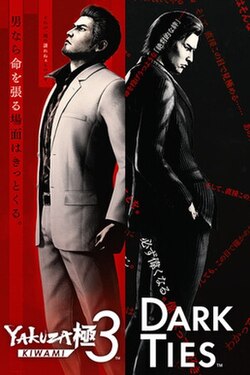

If you picked up a copy of a gaming magazine in the 1990s and found a review of Yakuza Kiwami 3 & Dark Ties tucked between an advert for a joystick and an article on cheat codes, the tone would likely be one part sober appraisal, one part impressed harrumph. Here we are in 2026, and the sentiment survives: this is a curious, occasionally brilliant package that balances earnest ambition with some baffling decisions. Ryu Ga Gotoku Studio and Yuke's have taken the contentious Yakuza 3, rebuilt it in the Dragon Engine and paired it with Dark Ties, a bite-sized but dark character study of Yoshitaka Mine. On PlayStation 5 the result is enjoyable more often than not, yet it arrives with enough blemishes-altered story beats, recast performances and visual inconsistencies-to keep the conversation lively at the next LAN party or forum thread.
The bones of both games are comfortable, muscle-bound and stubbornly familiar. On paper this is a straight beat 'em up married to open-city investigation and melodrama - the sort of hybrid that made the series famous. Kiwami 3 outfits Kazuma Kiryu with two distinct fighting styles: the "Dragon of Dojima: Kiwami" style, which feels like an apex predator's refinement of the classic Kiryu moveset, and the Ryukyu style, a weapons-based, Okinawan-influenced system that throws reach and cultural flourish into the mix. Dark Ties hands Yoshitaka Mine a single, boxing-forward discipline, but layers it with a "Dark Awakening" mode that turns him into a one-man blender of punishment. Both combat systems are modernized and feel weightier than their predecessors; combos snap with authority, parries and heavies score satisfying impacts, and the Dragon Engine's bone-deep responsiveness gives encounters a tactile oomph that many remakes only promise in press releases. This is a remake that knows when to rework: Kiwami 3 has been rebuilt from the ground up, with new cutscenes and adjusted performances intended to lift the original's more ambiguous-or frankly messy-story beats. The developers were explicit about addressing those rough edges, and the result is, for the most part, a cleaner narrative scaffold. The "Life at Morning Glory" orphanage sequences have been fattened into a suite of minigames and subplots that better establish Kiryu's role as a guardian; they now function almost as a short, wholesome side campaign, and skipping them would be like refusing to read the back half of a decent comic. Side content remains a signature strength and a delightful distraction. "Bad Boy Dragon" allows Kiryu to shepherd and referee a delinquent gang in a tone that is both ridiculous and strangely tender. Substories proliferate in the usual series fashion: you will pull a stranger from a gutter, fight ten salarymen, and then leave with a new friend who wants to eat curry. Dark Ties compacts its extras into darker fare: the Hell's Arena throwdown mode and the Kanda Damage Control tasks offer structure to Mine's ascension through the underworld and reward mastery. A cheeky touch that long-time fans will adore is the inclusion of emulated Game Gear titles. Twelve retro games-Columns, Fantasy Zone Gear, Galaga '91 and a Streets of Rage port among them-are tucked into both campaigns. They operate as both nostalgic fluff and amusing palate cleansers between knife fights and melodramatic reveals. Criticism of the gameplay is not absent. Some reviewers and players expected Kiwami 3 to be bolder in reintroducing or restoring side content from the original Yakuza 3; instead, a few notable bits were altered or excised, and those choices leave certain fans feeling shortchanged. The pacing of Dark Ties has also been a hot topic: it's focused and thematically tighter than the sprawling mainline tale, but it is short enough that some will call it an extended epilogue rather than a full companion piece. In short: combat mostly delivers, side content mostly charms, and narrative edits are where the passion will either be rewarded or bruised.
Graphically, the package is a study in uneven polish. RGG Studio has done what it could with the Dragon Engine: facial animations have more nuance than ten years ago, environments breathe and the Okinawan locales of Downtown Ryukyu are given tactile, island-worn life. Cutscenes added to the remake accomplish the stated goal of clarifying character motivations, and new cinematics occasionally reach genuine cinematic warmth. That said, critics have been vocal about visual quirks. The PS5 version, for all its frame-rate stability and crisp lighting, betrays a few rough seams-textures that lag behind the character detail, facial replacements that don't quite match the vocal thespianism, and a handful of models that look oddly plastic in close-up. These are not game-breaking faults; they are the sorts of distractions you notice when a scene wants to land emotionally and the visuals pull a face instead. A more modern triple-A title might mask these issues better, but for a remake that aims to be definitive, the occasional uncanny valley moments sting. Perhaps the loudest visual controversy is human rather than technical: recasting certain characters has proven polarizing. The studio chose actors they felt could sell particular traits-"a creep" in the case of Hamazaki-and while that creative choice supports the narrative intent, it also reopened debates about representation and studio responsibility. The resulting attention has, unfairly or not, flagged the game's visuals and performances under the same microscope. On balance the art direction is competent and sometimes gorgeous; the execution is occasionally flawed, and those flaws are both technical and editorial.
Yakuza Kiwami 3 & Dark Ties is the kind of release that would have made an intriguing cover story in a printed gaming monthly: ambitious, messy in places, and honest about what it wants to be. For newcomers, Kiwami 3's refreshed combat and the clearer emotional beats make it an approachable entry into the Like a Dragon orbit. Longtime followers will find much to enjoy-the expanded Morning Glory sequences, the bolder combat tuning, and the compact but potent character study of Dark Ties-but they may also grumble at the changes, the recasting, and the slim runtime of Mine's solo chapter. If you measure the package purely by punches landed and stories told, it scores well: the fights are satisfying, the side activities divert brilliantly and Dark Ties gives an antagonist the chance to be more than a plot footnote. If you measure it by expectations of a definitive rescue mission for Yakuza 3-pristine visuals, unchanged nostalgia and a restoration of every removed tidbit-you will leave the room less impressed. My advice, written with a mid-'90s columnar grimace and a modern grin: play it for the combat and the characters, enjoy the Game Gear detours and be prepared to argue with the internet about casting choices. It is not flawless, but it is worthy of your time-especially if you still keep an eye on the horizon for what this series does next.
 Dark Cloud 2 on PS2
 Dark Souls II on PS3
 Tintin: Destination Adventure on PlayStation
 Disney's Chicken Little: Ace in Action on PS2
 One Piece Grand Adventure on PS2
 Taiko no Tatsujin: Dokodon! Mystery Adventure on Switch










 Another SquareThought Site