



Vandal Hearts marches onto the PlayStation stage like a serious chess tournament wearing fantasy armor and doing dramatic sword poses between moves. It traded wandering towns and cozy exploration for distilled battlefield encounters - every map is a puzzle and every enemy is a potential humiliation if you forget one basic rule: positioning matters more than your haircut. If you enjoy tug-of-war that's mostly done with brains and spreadsheets disguised as character sheets, this Konami tactical RPG will make you grin and grind your teeth in equal measure. This is not the kind of RPG that lets you meander while listening to a moody bard. Instead it offers isometric grid maps with three-dimensional terrain, deceptively simple class rock-paper-scissors, and a battle system that rewards foresight, patience, and the occasional bold gamble. The game was praised for taking 3D terrain into account and for neat spell visuals, but it also earned grumbles for its linear structure. If you're buying Vandal Hearts for the battles, you're in the right cathedral: the combat is the sermon and the altar is a square of tiles where lives hinge on a single misplaced step.
The combat loop in Vandal Hearts is a lesson in controlled chaos. Battles happen on isometric, grid-based maps that contain impassable cells like water, trees, and buildings, and though the maps sit in 3D space you control a cast of 2D sprites marching across them. You move your entire party first, then watch the AI have its say - this side-by-side turn order makes planning not just helpful but essential. Stages usually demand you eliminate all enemies, though some throw curveballs: protect someone, escort characters to a spot, or off a named threat. Each of those conditions rearranges your priorities and tests different skill sets. Leadership is literal: if your party leader dies, the game ends the battle for you. That single rule forces defensive thinking. Protecting the leader isn't just sentimental, it's the difference between finishing a stage and replaying it from the save point that you swore would be your friend. Other characters who fall don't vanish forever; they're gone for the stage, your gold pool takes a hit when units die, and they come back next mission. That creates a middle ground between permanent death games and forgiving RPGs - death hurts, but it doesn't ruin you completely. Still, dying hurts your resources and momentum, so you learn to treat units like slightly expensive pets: valuable, replaceable, and best not thrown into a pit. Movement is deceptively flexible. Each character has a movement allowance per turn, and you can spend it all at once or split it across multiple segments. Splitting movement lets you dance around zone-of-control patterns and stage hazards, but it also exposes you to counters if you miscalculate enemy reach. Mastering split moves - knowing when to advance a swordsman two squares to bait an archer, then fall back so a hawknight doesn't swoop in - is a skill that separates button-mashers from strategists. Where Vandal Hearts really forces you to think is in class matchups and terrain exploitation. The game rolls out seven clear-cut classes: Swordsman, Armor, Archer, Hawknight, Monk, Mage, and Cleric. Konami built a neat hierarchy that's basically rock-paper-scissors with personality: melee fighters like Swordsmen and Armors trounce Archers; Archers shred airborne units like Hawknights; Hawknights have advantages over Swordsmen. Mages have a special edge against Armor, and Monks and Clerics play the supportive/healing roles with different emphases. This system rewards reading the battlefield and composing a team that covers weaknesses rather than just leveling one overpowered character. Terrain and three-dimensional positioning make this more than a stats contest. Height and obstacles influence line-of-sight and who you can hit; chokepoints can turn a ramp into a murder corridor. Spell effects are flashy and meaningful: offensive magic tends to be strong against heavily armored foes, which invites tactical decisions like protecting mages from flankers or using them to melt a particularly bulky enemy. The AI was praised in contemporary reviews for offering neat challenges - enemies will take advantage of the same terrain rules you do - so don't expect dumb grunts to walk into fire for your convenience. The game tests several player skills repeatedly: tactical foresight (anticipating enemy moves and counters); unit management (balancing classes and knowing who to heal vs. retire from the front); resource awareness (money penalties for losses and limited gear); and spatial reasoning (using the 3D maps, chokepoints, and movement-splitting to your benefit). Patience and learning from mistakes are part of the package: the game is deliberately more battle-focused than open-ended, so the reward loop is learning a map, refining your approach, and watching that approach work. Where Vandal Hearts can frustrate is its linearity. Critics noted that by stripping out exploration and replay hooks the game sometimes felt like a sequence of combat puzzles rather than a living world. If you crave side-quests and hidden recruits, you'll miss them. If you crave efficient, sometimes merciless tactical bouts where each small decision cascades into victory or disaster, this is where the fun lives. The enemy variety and mission types keep the core loop from feeling stale, though a lack of deep replayability was a common complaint in reviews.
Vandal Hearts does a neat trick: 2D character sprites move over three-dimensional, rotatable battlefields. That combination gives the game a tactically readable aesthetic - you can rotate the camera to check lines of sight and height advantages - while still delivering expressive sprite work. The spell visuals get repeated praise; magical attacks have a satisfying spectacle that communicates impact without turning into a magic confetti show. Sound and effects also got nods from reviewers of the time, with bite-sized audio cues that make hits, misses, and spells feel weighty. The Saturn conversion later added a rendered opening and extra cutscenes, and contemporary reviews appreciated the full motion video touches. On the PlayStation, the visual package is functional and stylish rather than revolutionary. It serves gameplay first: tiles read clearly, sprites animate crisply for their era, and environmental features are obvious so you can plan movement without squinting. If you play for visual drama alone, there are flashier RPGs, but if you want visuals that enhance tactical thinking, Vandal Hearts pulls it off.
Vandal Hearts is a compact tactical game with a stern but fair face. Its challenges live in the maps, the class matchups, and the demands of protecting a fragile leader while wrangling a roster of specialists. It rewards players who enjoy deliberate planning, clever use of terrain, and an understanding of when to split movement and when to hold the line. The payoff is a sequence of satisfying battles where good decisions feel decisive and mistakes are instructive. If you want sprawling exploration, secret classes, and indefinite replay value, this one might leave you wanting. If you want tight tactical design, smart enemy AI, and a system that teaches you to read a battlefield like a bad Tinder profile, Vandal Hearts is worth your time. Score-wise, it lands around a solid 7.5/10: not flawless, but a rewarding playground for anyone who likes to win with brains rather than brute force.
 Infinite Stratos 2: Ignition Hearts on PS3
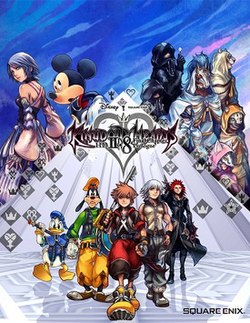
 Kingdom Hearts HD 2.8 Final Chapter Prologue on PS4
 Coloball 2002 on PS2
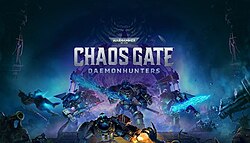
 Warhammer 40,000: Chaos Gate - Daemonhunters on Xbox Series X/S
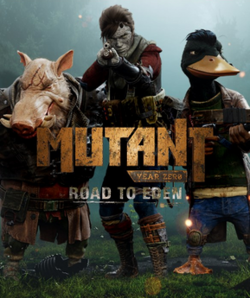
 Mutant Year Zero: Road to Eden on Switch
 Tiny Metal on Switch
 Pro Evolution Soccer 2 on PlayStation
 Pro Evolution Soccer on PS2
 Pro Evolution Soccer on PlayStation
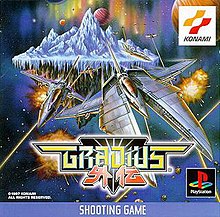
 Gradius Gaiden on PlayStation
 ISS Pro Evolution on PlayStation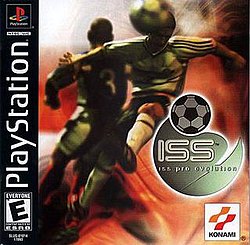












 Another SquareThought Site