



Volfoss arrives like a fever dream pitched to a military tactician and a surrealist toy collector at the same time. On paper it is a straightforward tactical RPG for the original PlayStation, released by Namco in 2001, but its heart beats in three strange directions: rusting junkyard militarism, swamp-bound theocracy, and psychedelic toy-kingdom chaos. If you want a game that behaves like three very different soap operas shoved into one dusty TV and given a uniform made of polygons, Volfoss is the guilty pleasure for your battlefield fantasies. This review takes the more selfish route of ignoring pure mechanics for long stretches and instead treats the factions and their leaders as if they were the protagonists (and tragicomic supporting cast) of an operatic drama about identity, power and very questionable landscaping choices.
Volfoss plays like the tactical RPGs of the late PlayStation era-grid and positioning matter, and the camera-styled 3D lets you admire the scenery while your units stab one another. But to really appreciate how the battles unfold you have to read them as scenes in which characters perform the scripts their nations wrote for them. The Ikuaipe soldiers are not only heavily armored; mechanically they favor brute force and durability. Narratively they are the stoic, battered soldiers of an industrial nation, the kind who have learned to make weapons out of discarded dreams. Their general, Veyser, is a study in concentrated professional sorrow: a swordsman whose prowess suggests a history of duels and hard choices. In combat he reads like a finale boss in miniature-someone you respect, are probably underleveled for, and secretly want to recruit just to listen to his backstory monologue. Asdenia flips the script and the battlefield-its units move like things born from bogs, slippery and thorned, and their playstyle (lightning magics and water-friendly beasts) tells you they are specialists in hit-and-run and terrain advantage. The priests and Max Shreck units play like a faction that worships rules as if those rules were literal lightning bolts. Their story arc, such as it is visible in the small canon Volfoss provides, is about faith metastasized into military doctrine: a republic that calls itself enlightened but whose priesthood keeps most of the power. On the field this translates to tactical options that reward planning around status effects and magical zoning. When Asdenian characters succeed, it feels like the kind of narrative victory where ideology outmaneuvers brute force. Caldea Land is the visual gag that becomes a character: its toys and garish colors are not just decoration, they are an aesthetic philosophy. As a faction they embrace chaos; their mythological beasts are resistant to fire and behave like carnival performers that might bite you. King Gell and Queen Aur rule with the eccentricity of sitcom monarchs, and Princess Muef-rarely seen, per the source material-exists as the potential emotional center. Her absence is a deliberate narrative move: a missing child/princess trope that invites projection and speculation. In gameplay terms Caldean units often force opponents into uncomfortable positions-they punish predictable play and reward improvisation. Watching a Caldea match is like watching a troupe of pranksters win a debate by making the other side trip on their own arguments. What makes Volfoss interesting is how those factional identities bleed into each other during a campaign. Battles are the scenes, but the true drama is in how these archetypes evolve across skirmishes. A soldier from Ikuaipe who survives repeated clashes with Max Shreck might gain the kind of grudging spirituality that sits halfway between cynicism and belief; a Caldean beast shrugged off by fire might be pushed into grudging respect for technique. The game's storytelling is spare-most character development is implicit, suggested by unit types, names like "Limited Metal," and environmental cues-so you, the player, become the dramaturge. If you like reading context into detail, Volfoss rewards you like a thrift store that hides a first edition under a pile of cassette tapes. There are practical consequences to treating characters like tiny soap opera protagonists. Unit composition matters not just for stats but for the narrative beats you want to hit. Want a tragic redemption arc? Send a battered Veyser-like unit into a suicidal flank that turns into a stalwart last stand. Fancy a moral grey area? Let Asdenian priests and Caldean tricksters negotiate a battlefield peace that collapses spectacularly into lightning and confetti. The gameplay is best when you let story guide tactics and tactics guide story, which is more fun than maybe it should be for a game where the expanses of swamp are their own supporting character.
Volfoss is fully 3D, and for a PlayStation title of 2001 it leans into its limitations with gusto. The environments are where the designers made the clearest narrative choices: the rust and jagged metal of Ikuaipe suggest not only decay but a civilization that repurposes failure into armor; Asdenia's murk and thorny geometry feel like a living puzzle; Caldea's toy-strewn vistas look like someone emptied a child's imagination into a map editor and called it a day. The models are blocky by modern standards, but the texture work and color palettes do heavy lifting in characterization. Lighting-especially in Asdenia's bogs-sells the mood better than any dialogue. The surreal elements (giant toys, mythic beasts, improbable metallic constructs) are not polished to realism and neither are they trying to be; they are exaggerated, symbolic, and therefore memorable. Animations are functional rather than cinematic. Veyser's sword swings, Max Shreck's lightning calls, and the Caldean beasts' odd gyrations serve the story: each move carries personality. The camera, like a stage director with limited budget, likes wide shots to show off set pieces, but it will occasionally do close-ups that let character details peek through. For players who enjoy reading a world as much as they enjoy clearing a map, Volfoss's graphics are a competent costume department that outfits the narrative effectively.
Volfoss is not a generous storyteller in the obvious sense; it won't hold your hand through motivations or rehearse backstories in long cutscenes. What it excels at is giving you three vividly drawn societies and letting you infer the rest. If you enjoy reading character through worldbuilding-if you derive pleasure from imagining what Veyser dreamed about the night before a duel, or why Caldean court jesters keep a mythic beast on a leash-then Volfoss is a fascinating relic that rewards interpretive play. Mechanically it's solid for its time, with tactical depth that complements rather than overwhelms the factional identities. Artistically it is whimsical, eerie, and occasionally brilliant in how it makes you feel like the protagonist of a series of military lullabies gone slightly mad. If you want tight narrative closure or cinematic exposition, Volfoss may feel like a novella that stops mid-paragraph. If you want texture, atmosphere, and the chance to play director to a cast of metal-clad swordsmen, swamp priests, and psychedelic beasts, it deserves a look. For nostalgia, creativity, and the joy of piecing together character arcs from terrain, unit design, and a handful of names, this PlayStation oddity scores a respectable 7/10. Consider it an invitation to stage your own tragedies and comedies on rust, mud, and plastic battlefields.
 Press Your Luck on PS3
 Game Dev Story on PS4
 Mom Hid My Game! on Switch
 Tekken 2 on PlayStation
 Pac-Man Championship Edition DX+ on PS3
 R4: Ridge Racer Type 4 on PlayStation
 Tales of Arise on Xbox Series X/S
 Tekken on PlayStation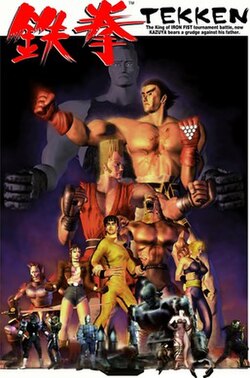












 Another SquareThought Site