

 Jun 2017

Oceanhorn: Monster of Uncharted Seas makes no attempt to hide its inspirations. It wears its love for classic top-down action-adventure games like a jaunty sailor hat, and then proceeds to kick your ankles when you try to look too smug about recognizing the reference. On Nintendo Switch the game is a compact, island-hopping romp that trades the sprawling ambition of a big-budget series for tight, bite-sized encounters. If you care about challenge, then this is less about brutal difficulty spikes and more about the kind of steady tests that reward patience, observation, and that slightly smug satisfaction when you finally spot the breakable pot you walked past three times. This review concentrates on the challenge aspects and the skills the game asks of you. Based on the original material and the Switch release, Oceanhorn asks more of your puzzle logic and exploration focus than it does of twitch reflexes, but its combat and dungeon design still expect competence. The game looks pretty, the music is solid, and the map hides things on purpose; whether that translates to a fulfilling challenge depends on how much you enjoy classic Zelda-ish problem solving without being patronized by constant hand-holding.
At its core Oceanhorn follows a familiar loop: explore, fight, solve, unlock, repeat. The designers deliver these elements in compact dungeons that rarely outstay their welcome, but they do expect you to use a mixture of skills rather than brute forcing every door with a hammer of ignorance. Observation and pattern recognition are the first skills you sign up for. Many puzzles are environmental: a sequence of switches, a set of pressure plates, or cleverly placed obstacles that demand you notice oddities in the room. The game rewards players who scan the environment and remember small details. Throwing pots and cutting bushes are not filler - they are a repeated, deliberate mechanic for uncovering resources and occasionally bits of hint text. If you are the kind of player who barrels through and only looks up when a fight starts, you will miss the satisfying breadcrumb trail Oceanhorn lays across its levels. Logic and lateral thinking are necessary but thankfully not ruthless. Puzzles often feel like short riddles rather than multi-stage thesis defenses. That makes them approachable, but also explains some of the critique the game received: players expecting brain-bending complexity will find the solutions pleasantly obvious after a bit of thought. This is better for accessibility: the challenge rarely hinges on obscure solutions, and there is a steady sense of progress. However, if you want to be stumped for hours and then crow about it to your friends, this game will only intermittently supply that opportunity. Combat asks for timing, positioning, and resource awareness. Enemies telegraph attacks in readable ways, so dodging and choosing windows to strike is more rewarding than button-mashing. Weapons variety is present, which changes how you approach fights, but Oceanhorn does not demand the mechanical virtuosity of a hardcore action game. Instead, fights become tests in managing space, making use of the room, and balancing offense with the occasional retreat to heal. Hearts and hidden coins, found by breaking pots and slashing grass, create a steady loop of micro-reward that keeps combat meaningful without being punishing. Navigation and map sense are gentle but deliberate tests of your exploration skills. Islands and dungeons are structured around small puzzles and unlockables rather than long fetch quests. Backtracking happens, but it is usually linked to a satisfying discovery rather than artificial padding. The game does nudges players toward exploration with environmental cues and level design that rewards curiosity. If you like the tactile thrill of finding a hidden chest because you examined a strange pattern on a wrecked wall, this is the kind of game that will keep delivering those small victories. Resource management is subtle. You do not need to obsessively micromanage items, but being mindful of hearts, bombs, or other consumables during boss fights can turn a tense encounter into a relaxing win. Boss battles serve as culmination points for both your combat skill and your puzzle sense; they often require the same observation used in puzzles combined with the timing of standard encounters. Where Oceanhorn stumbles a little is in pacing: some puzzles are too straightforward, and the story rarely gives extra motivation to push harder when difficulties spike. Nevertheless, the game respects player intelligence without assuming everyone came from a background of speedrunning classics. Overall, Oceanhorn tests classic adventure skills: observation, basic logic, timing, positioning, and exploration discipline. If you enjoy measured challenges that reward thinking over twitching, you will find a lot to like. If you want ruthless puzzle difficulty or deep combat complexity, be prepared for something more demure and elegant than brutal.
The visual package is one of the strongest calling cards for Oceanhorn on Switch. The game leans into vibrant, lush 3D graphics that critics praised on release, and those aesthetics translate well to the Switch screen. Character models and environments have a clean, polished look that echoes the best parts of the games that inspired it. Lighting and color do much of the storytelling: islands feel distinct, and dungeons have enough variety to keep exploration interesting. From a challenge perspective the graphics are not just eye candy; they are functional. The clarity of visual cues helps when you are deciphering puzzles or recognizing enemy tells. The game avoids muddy visuals that would obscure important elements, which is especially welcome on a handheld display. That said, because the visuals are so readable, the designers rely on that readability when crafting puzzles - again reinforcing the idea that this is a game that challenges the brain through clear, intentional design rather than through visual obfuscation. Music and presentation deserve a shout-out too. Composers Kalle Ylitalo with contributions from Kenji Ito and Nobuo Uematsu give the game a soundtrack that punctuates tense moments and rewards exploration with satisfying motifs. While not directly a difficulty mechanic, a strong soundtrack enhances the focus required to solve puzzles and fight strategically; it helps set the tempo and keeps your attention on what matters in the room.
Oceanhorn: Monster of Uncharted Seas on Switch is a polished, affectionate homage to classic action-adventure games that focuses its challenge on thoughtful puzzles, measured combat, and exploration discipline. The game will not break speedrunners or hardcore puzzle fans, but it will give anyone who likes noticing details and solving environmental problems a steady string of satisfying moments. Visuals and music are standout features that complement the gameplay and help keep the experience engaging. If your gaming skillset leans toward observation, patience, and strategic positioning rather than lightning-quick inputs, Oceanhorn will feel like a congenial companion. For players seeking razor-hard puzzles or revolutionary combat depth, the title will feel a touch gentle. Given its price point and the charm of its design, Oceanhorn earns a solid 7 out of 10: a well-crafted, accessible adventure that challenges you in the right ways without ever taking itself so seriously that it forgets to be fun. Also worth noting: its commercial success shows the recipe worked for many players, and the prequel proves there was enough demand for more of this particular kind of sea-soaked puzzling. Pack your pot-breaking gloves and your thinking cap; Oceanhorn will test them both.
 Monster Rancher on Switch
 Monster Rancher Hop-A-Bout on PlayStation
 Tintin: Destination Adventure on PlayStation
 Disney's Chicken Little: Ace in Action on PS2
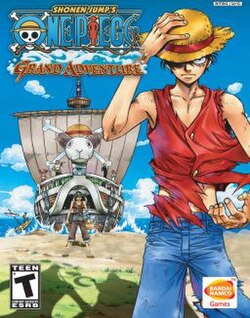
 One Piece Grand Adventure on PS2
 Taiko no Tatsujin: Dokodon! Mystery Adventure on Switch










 Another SquareThought Site