

 May 2012
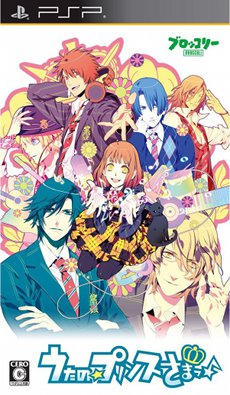

If you enjoy melodramatic high-school settings, impeccably styled anime boys, and the idea that one carefully placed choice in a menu will determine whether you cry happy tears or scream into a pillow, then Uta no Prince-sama Debut will make your commute marginally more tolerable. You play Haruka Nanami, a virginally optimistic aspiring composer who enrolls at the aggressively musical Saotome Academy. Your objective is to glue your life to one of several handsome classmates, compose a banger, and somehow sneak romance past a school rule that doesn't want you getting distracted by feelings. The game is a textbook otome visual novel: branching routes, repeated playthroughs to unlock all endings, and minigames that pretend to be optional but will haunt your completion percentage if ignored. The theme song for Debut, 'Innocence', is memorably performed by Mamoru Miyano, who apparently needs no help proving that anime voice actors also moonlight as pop idols. This Switch-friendly port preserves the heartfelt cheese and the glittering production values you expect, while also making it easier to play on a big screen, which is useful for people who want to stare at the same perfectly coiffed jawline at 1080p.
Gameplay in Debut wears its intentions loudly and without shame. It's a branching-plot visual novel at its core: you read, you choose, and the game steers you toward one of seven main routes depending on how many times you click the 'romantic-sounding answer' option. Three routes are available at the start, and the rest are unlocked as you replay - which is both the point and the implied punishment for anyone who expects a single, tidy narrative. Choices pause the dialogue and offer you the illusion of agency. This is honest of the game; it wants you to believe you are an influential producer whose offhand comments will shape emerging pop careers, when in reality you're mostly auditioning for which boy gets the best dramatic lighting. Minigames are sprinkled in to break up the reading (and your will to continue). They influence endings, which gives them enough stakes to be slightly annoying when you fail. They are not revolutionizing rhythm gameplay - they're serviceable and occasionally fun - but they do make the otherwise passive experience feel like it has a pulse. The game wears its musical heart on its sleeve: Broccoli funnels the franchise's biggest strength - the music - into every beat of the story. Elements Garden's involvement is felt in the polished tracks and character themes. Debut makes you care about compositions, rehearsals, and the exact phrasing of 'you should collaborate with me' as if corporate networking were an emotionally fraught ballad. The writing is a mixed bag in a classically charming way. Haruka is written to be kind and supportive to an almost mythic degree; it's the personality you reserve for your houseplants and your favorite bakery. The male cast are archetypes pulled from the otome catalog: the icy prince, the hot-headed flirty one, the dependable one who cooks, and the one who inexplicably has a scarf and a tragic backstory. If you have previously criticized dating sims for having characters that never evolve past their charming trope, Debut will confirm your suspicion - they don't so much develop as they are allowed to reveal more of their pre-designed charm. That said, the routes are well-paced enough to keep you reading, and the branching structure rewards replay with new scenes, songs, and variations on the concluding concerts. Replayability is baked into the experience; expect to come back as many times as it takes to finish the soundtrack rather than the story.
Graphically, Debut leans into the franchise's strengths: clean, attractive character portraits, flashy event CGs, and the kind of animated flashiness that suggests a theater curtain and two dozen LED spotlights. On Switch the art looks crisp, with character sprites and event illustrations that pop on both handheld and docked modes. The characteristic anime color choices are present - sometimes delightfully gaudy, sometimes palette decisions that make you wonder if someone misread the brief for 'sunset.' Backgrounds are pleasant enough but rarely steal focus from the boys, which is to be expected. Animation is mostly limited to expressive sprite work and occasional animated sequences; it's not a full-motion cartoon, and it doesn't pretend to be. The game's strength is presentation: the voice acting is a highlight (Mamoru Miyano and the rest of STARISH know what they're doing), and the music production gives the visuals something to lean on. If you're buying Debut for graphical innovation, you will be mildly disappointed. If you're buying it because you like men with perfect cheekbones and the occasional dramatic confetti, the visuals are more than adequate.
Uta no Prince-sama Debut on Switch is exactly what it says on the metaphorical box: a debutante ball of songs, swoons, and story branches. It's not a revolution in interactive narrative design, nor is it trying to be. Its joy comes from consistency - good music, competent voice acting, and routes that reward commitment with more content and more sentimental karaoke-ready moments. It leans heavily on otome tropes and leans on them so lovingly that you could mistake it for an embrace. If you're new to visual novels, Debut is a forgiving entry point: accessible choices, clear route structure, and the safety of knowing repeated playthroughs are expected. If you're a veteran, you might roll your eyes at how archetypal some characters remain, but you'll probably still enjoy the tunes. The minigames add just enough friction to keep things interesting without derailing the experience. Score-wise, this is a solid 7/10: polished, pleasant, occasionally silly, and reliably earnest. Bring tissues, a good pair of headphones, and, if you're picky, a fan to hold off the melodrama. The game makes you feel like an important person in the music industry for a few blissful hours - which is perhaps the most comforting kind of fantasy there is.
 Tokimeki Memorial Drama Series Vol. 3 Tabidachi no Uta on PlayStation
 Uta no Prince-sama: Sweet Serenade on Switch
 Root Film on PS4
 DearS on PS2
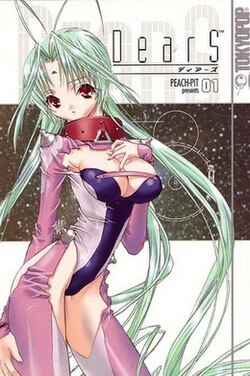 Oshiete! Popotan on PS2
 Shin Seiki Evangelion: Ayanami Ikusei Keikaku with Asuka Hokan Keikaku on DS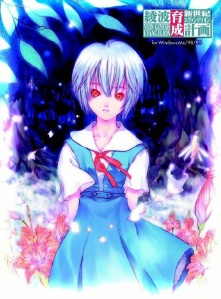










 Another SquareThought Site