



DreamWorks Madagascar for PlayStation 2 is essentially the video-game equivalent of a theme-park teacup: bright, safe, a little dizzying, and aimed squarely at people who already like what's painted on the side. Developed by Toys for Bob and released in 2005 as a tie-in to the first Madagascar film, the game takes the franchise's main selling points - four pampered Central Park Zoo animals suddenly shipwrecked on an island - and translates them into something you can jump through, collect things in, and occasionally punch. The movie that inspired it made over half a billion dollars and gifted the world a catchy dance song and a diplomatic crisis involving King Julien. The game ships with the franchise's usual charm: recognizable characters (Alex, Marty, Melman, Gloria, and the penguins), familiar set-pieces, and the comforting certainty that the plot will loop back to the film's beats. If you enjoyed the film and your expectations for a licensed title are generous, this will probably do the job. If you expected the next great platformer, the PS2 disc will humble you into a dance of compromise.
The game is an adaptation of the first Madagascar film, which means your mission - if you had any other expectation - is to recreate cinematic moments as a series of gameplay chores. You play as the four leads and their supporting cast at different times, and the levels spell out the film's narrative beats: zoo life, the big escape, and the island antics. There are platforming sections, combat-lite encounters, and a handful of minigames that break up the action like candy between vegetables. Toys for Bob's approach is textbook movie-licensed design: familiar characters with slightly simplified move sets so a 10-year-old and a sleep-deprived reviewer can both get into it within minutes. Alex gets the flashy melee and roar-based moves, Marty is quick and agile for platforming bits, Melman is the reluctant puzzle-solver, and Gloria handles the more brute-force segments. The penguins make cameo levels that feel like tiny, tactical detours, which is reassuring if you liked the boxing-glove-wielding birds in the movie and want more of their weird competence. Mission structure relies on collectibles and short objectives. Expect to fetch things, activate switches, and clear arenas of cartoonish enemies. There's a steady loop of 'complete task, unlock next area, repeat' that mirrors many early-2000s licensed games. Difficulty isn't malicious; it's gentle and designed to keep kids engaged and parents untroubled. That also explains why veterans of more refined platformers will find the challenge shallow and the mechanics occasionally clunky. The game leans into variety with its minigames and character swaps, which is both a strength and a mask. Variety keeps the energy up, but at times it feels like the parts were assembled by committee to ensure every recognizable scene from the film gets a checkbox. That can produce pacing hiccups: a thrilling chase in the movie becomes a short burst of button-mashing in-game, and a quiet emotional moment gets turned into an innocuous puzzle that leaves you wondering what the point was beyond padding runtime. Still, for its intended audience - people who want to be in the Madagascar world, not necessarily challenged by it - the gameplay mostly delivers on familiarity and accessibility.
On the visual front the PS2 version wears its movie pedigree like a cheerful mask. Character models are cartoony rather than detailed, which suits the franchise's look and keeps the hardware humming. The environments are bright and well-textured within the limitations of the platform: the zoo's concrete chic, ship interiors, and the island's foliage are all clearly readable and often pleasant. There's no ambition to reinvent the wheel; the graphics aim for faithful and functional. Performance is typically stable, though camera angles sometimes act like that one extra-enthusiastic friend who photobombs every action shot. Platforming can occasionally suffer from perspective choices that make judging jump distances a matter of hopeful timing rather than precise skill. Animations capture the basic personalities of the cast - Alex looks vain, Marty looks energetic, Melman looks anxious, and Gloria looks like she knows the buffet line is optional. The game doesn't have the sheen of the theatrical animation, but it doesn't need to. It wants to be a game version of a cartoon, and it succeeds enough of the time to avoid being actively ugly. Sound design and voice usage are functional. The franchise's personality comes through, even if the full star-studded voice cast from the films isn't present in every line. The soundtrack borrows the franchise's upbeat temperament, but the document doesn't say whether "I Like to Move It" is in the PS2 soundtrack - the song is famously associated with the films, so you'll probably hum something similar while retrying a jump.
DreamWorks Madagascar on PS2 is a competent licensed game that knows who it is: a colorful, friendly, and accessible adaptation of a popular animated film. It is not trying to be deep, edgy, or revolutionary. If you're a fan of the film and want to spend a couple of evenings leaping through recognizable moments with characters you already like, it's an agreeable way to do it. If you're craving tight platforming, systemic combat, or an open-world reimagining of the franchise, you will be disappointed. Score-wise, it sits around a solid 6/10. It nails the basics - characters, tone, and easy-to-learn mechanics - but it rarely transcends the 'movie tie-in' mold. That's fine. Not every game must be an auteur statement. Sometimes a game simply needs to let you be Alex the lion for a few hours and then politely send you back to your real life, which this one does with charm and the occasional camera-related sigh. Buy it if nostalgia, kids, or a desperate need to control an animated giraffe are factors in your life. Otherwise, treat it as a reminder that movies and games can share worlds without pretending they're the same thing.
 DreamWorks Madagascar Kartz on DS
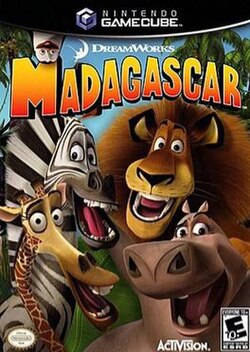
 DreamWorks Madagascar on DS
 Tintin: Destination Adventure on PlayStation
 Disney's Chicken Little: Ace in Action on PS2
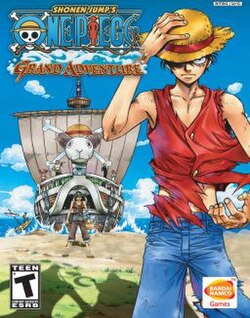
 One Piece Grand Adventure on PS2
 Action Man: Operation Extreme on PlayStation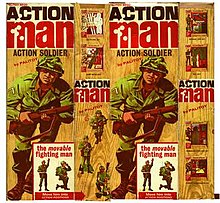
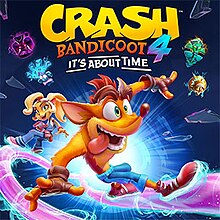 Crash Bandicoot 4: It's About Time on PS4
 Crash Bandicoot 4: It's About Time on PS5
 Crash Bandicoot 4: It's About Time on Xbox Series X/S
 Disney's Extreme Skate Adventure on PS2
 The Unholy War on PlayStation












 Another SquareThought Site