


 Jun 2006
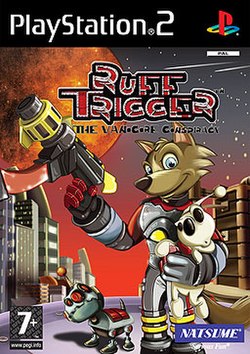

Ruff Trigger: The Vanocore Conspiracy arrives like a scrappy canine intent on chewing the same toys you've seen in flashier franchise parks. On paper it's an action-platformer: you play as Ruff Trigger, a bounty-hunting dog voiced with cartoon bravado, and your job is to rescue the tiny, strangely dangerous critters called piglots while blasting, jumping and occasionally shapeshifting. Critics called it a Ratchet & Clank knockoff and gave it a lukewarm reception, but if you approach Ruff with a focus on challenge and skill it reveals a compact package of platforming tests, escort puzzles, and boss encounters that reward timing, adaptability and a little bit of piglot babysitting discipline.
Ruff Trigger's core loop splits into three challenge pillars: precision platforming, weapon-based combat, and piglot management. The platforming is classic PS2-era 3D platformer fare - jump between ledges, navigate hazards and negotiate level geometry that sometimes requires pixel-perfect landings. The challenge here isn't brutal, but it insists you respect momentum and timing. Miss a jump and the level can punish you with backtracking or a fight against grouped enemies while you're off-balance, so the game rewards consistent platforming fundamentals: gauge your speed, commit to your jump arcs, and get comfortable strafing in midair to nudge those touchy landings. Combat opens up as weapons are unlocked through progression. There isn't an overwhelming arsenal, but each new tool changes how you approach enemy encounters. The skills the game asks of you are straightforward: aim, conserve ammo where necessary, and prioritize targets. Enemies can cluster or present threats that are best solved by switching weapons or mixing melee (or werewolf) attacks with ranged fire. The game's difficulty tends to spike in areas where platforming and combat are combined - imagine making a narrow leap while under fire - and that's where situational awareness matters most. You'll want to practice quick thumbwork on the face buttons and camera adjustments, since a balky camera turns routine fights into nail-biters. Piglot management is the mechanic that gives Ruff Trigger a crooked personality. The rescue-and-transport tasks feel like an escort mission sprinkled throughout the levels: you find piglots, shepherd them to safety, and unlock minigames or special interactions as a reward. Escort mechanics shift the game's required skill set from pure reflexes to multitasking and prioritization. Piglots are fragile commodities - treat them like finicky goldfish - so you need to balance clearing enemies, making safe paths, and sometimes using piglots as tactical tools. Boss fights are where this system becomes a puzzle: certain bosses can't be damaged by standard weapons and must be defeated using piglots. That design forces you to think laterally: which piglots to carry, when to deploy them, and how to protect them during frantic boss phases. Patience and planning are rewarded; brute force alone won't cut it in those encounters. The werewolf transformation in the second level is the game's curveball and a great example of shifting skill demands. Ruff becomes faster and stronger but loses access to weapons, so the game nudges you into close-quarters aggression and better movement utilization. You suddenly depend on dodging, timing melee strikes, and using the environment to tank or avoid damage. It's an exercise in adaptability: you must flip from ranged tactics to in-your-face crowd control without the safety net of guns. That sort of forced role change is one of the few moments where Ruff Trigger genuinely tests a wider skill set - movement precision, close combat timing and the ability to read enemy patterns quickly. Minigames unlocked by piglot rescues offer small pockets of gameplay variety, and while none are deep they provide a breather from the main platform-combat loop. Think of them as skill checkpoints: they reward mastery of mechanics you've been practicing and sometimes give you an edge for tougher areas. The learning curve is uneven - some sections flow naturally, while others demand retries to understand enemy timings, boss patterns or escort routes. If you enjoy honing muscle memory, learning enemy tells, and slowly improving your routing through levels, Ruff Trigger delivers modest but sincere challenge. Where the game trip-ups most, mechanically speaking, is in pacing and camera control. A fussy camera or inconsistent enemy placement can turn an otherwise fair challenge into a frustrating grind. If you can tolerate the occasional awkward camera angle and enjoy dissecting moments to the millisecond - a jump, a dodge, a piglot throw - you'll find the game scratches that precision-play itch. For players who prize faultless polish over mechanical quirkiness, those rough edges can be enough to sour the experience.
On the visual side Ruff Trigger wears its mid-2000s PS2 heritage proudly. Character models and environments are colorful and cartoony rather than tech-demo realistic, which suits the game's quirky tone. The levels pop with personality but lack the fine details and lighting finesse of higher-budget contemporaries. The werewolf form looks suitably beefy, and the piglots are designed to be recognizably cute and obnoxious, which matters when they're your primary gameplay resource. Frame stability is generally acceptable, though some crowded scenes can feel a touch choppy and the camera can conspire against you during tight platforming sections. Overall the graphics aren't the star, but they're serviceable and help the gameplay remain readable - which is more important when the game is asking you to perform precise maneuvers and make quick decisions.
Ruff Trigger: The Vanocore Conspiracy is not trying to reinvent the wheel. It borrows a familiar action-platformer blueprint and occasionally trips over rough camera work and derivative comparisons. Where it earns respect is in its willingness to tinker with the player's responsibilities: juggling platforming, weapon-swapping, piglot babysitting and the occasional forced role change like the werewolf sequences. Those elements create a layered challenge that rewards precision, planning and adaptability more than pure twitching trigger fingers. If you're the sort of player who enjoys mastering mid-level hurdles, learning enemy patterns, and solving boss puzzles that force you to use nonstandard tools (i.e., your rescued piglots), Ruff Trigger offers a modest but satisfying test. If you demand cutting-edge polish or wholly original mechanics, you'll probably be left wanting. For a weekend of focused, skill-based platforming with a goofy canine twist, it's worth a rental or a cheap pickup - and your inner completionist will appreciate the little victories earned through patience and practice.
 Devil May Cry 2 on PS2
 Street Fighter V: Arcade Edition on PS4
 Disney's Chicken Little: Ace in Action on PS2
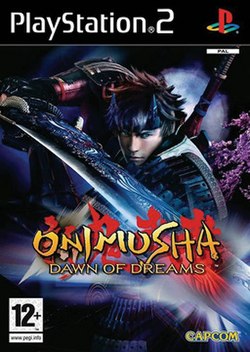
 Onimusha: Dawn of Dreams on PS2
 Tokyo Xanadu eX+ on PS4
 Action Man: Operation Extreme on PlayStation










 Another SquareThought Site