

 Mar 2013
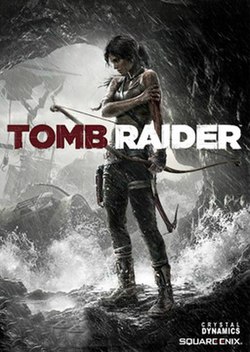

When Tomb Raider first thundered onto the 3DO, PlayStation and Saturn in the halcyon days of polygonal hairdos and cartridge-shaped bravado, it wore an air of furious, unapologetic adventure. Fast-forward to 2013 and Crystal Dynamics has taken that same impulse - seek, pry, and occasionally set things on fire - and retooled it for an audience that expects plausibility, emotional spine, and hair physics that do something more interesting than point in one direction. The 2013 Tomb Raider is not a museum piece nor a slavish remake of nostalgia; it is a reboot and an origin story. It strips Lara Croft down to scuffed boots, a rawer voice (Camilla Luddington), and a backstory that insists discovery costs more than a few lost lives. This is a review written with a hand steady from many seasons of game releases. The year is not the nineteen-nineties, but the attitude is: measured, no-nonsense, occasionally scathing about poor level design, and delighted when a game earns its spectacle. Tomb Raider on PS3 is, in short, an accomplished relaunch - a game that remembers how to make you feel small in a big place and then gives you a bow and arrow and the chance to prove you belong there.
Crystal Dynamics presents Tomb Raider in a third-person perspective that is clean and familiar but informed by modern sensibilities. The campaign is organised around a hub-and-spoke structure: camps act as safe-ish waypoints, while the island of Yamatai - a tempest-haunted, myth-gnarled place off the Japanese coast - sprawls outward in linked zones. Traversal is the game's heartbeat: zip-lines improvised with an arrow, exposed cliff faces to be shimmed, and caverns that dangle demolition and puzzle pieces in equal measure. The mix of exploration and forward momentum is well judged; you never feel marooned in a level for the sake of padding, and optional tombs reward curiosity rather than punish forgetfulness. Combat wears a modern coat cut from well-known patterns. There is an undeniable nod to Naughty Dog's Uncharted in the structure of firefights and the cinematic framing, but Tomb Raider finds its own identity in the intimacy of encounters: the bow is stealth's best friend - silent, lethal, and upgradeable - while firearms are blunt instruments that encourage improvisation and urgency. Quick-time events punctuate betrayals and collapses; a critic can grumble about QTEs as cinematic crutches, but here they mostly land at dramatic peaks and are brief enough to feel like a pulse rather than a migraine. The game introduces a Survival Instinct system that outlines points of interest, enemies and collectables. It functions like a gentler, more investigative form of radar: helpful for players who prefer to sniff out every relic, but unobtrusive enough for those who like to get lost. Role-playing elements are threaded through progression: experience points are awarded for hunting, exploration, and combat challenges and permit skill upgrades that alter Lara's capabilities, from increased arrow capacity to more effective stealth kills. Weapons are customised with scavenged materials, which adds a modest but welcome meta-level to scavenging. Tomb Raider does something riskier with its tone. The story insists Lara is not yet an implacable explorer but a graduate in the process of being forged. The writing - led by Rhianna Pratchett and colleagues - aims for character development over quips, and Camilla Luddington's performance gives the script texture and vulnerability. There is tension, grief, and occasionally the clumsy dissonance of a character who is learning to be horrified by killing while the player is steadily rewarded for it. This paradox drew criticism at launch: Lara's narrative is about becoming hardened, and the gameplay often asks that hardening happen fast. It is not a fatal flaw; rather it is an eccentricity in the game's moral geometry. Players who dwell on narrative purity will note it, but those who accept that surviving on a savage island sometimes requires ugly choices will find Lara's arc convincing and, in moments, genuinely moving. Multiplayer exists, but it feels like an add-on from a different expedition. Developed by Eidos-Montréal, the multiplayer pits Survivors against Scavengers across several modes and maps. The modes - Team Deathmatch, Private Rescue, and Cry for Help - recycle mechanics and some environmental interactions from the single-player game, but the mode rarely adds anything memorable to the Tomb Raider identity. Critics at the time found it serviceable but unnecessary, and it does not alter the single-player experience. If you came for the story and the tombs, you will likely treat the multiplayer as a curiosity you never return to. The pacing of the single-player campaign deserves praise. The island opens just enough to feel exploratory; the campaign's structure ramps into large set-pieces without exhausting them. Side quests and challenge tombs are optional, and many serve to deepen the player's relationship with Lara's developing skillset rather than simply hog time. The difficulty curve is sensible: early fights teach fundamentals, later encounters demand you use stealth, resource management and the environment in concert. On PS3, the controls are responsive; neither archaic nor overcomplicated, they favour a player who is willing to learn to think like an opportunist hunter.
On the PlayStation 3, Tomb Raider looks superb for its generation. Crystal Dynamics used the Foundation engine to render jagged cliffs, storm-lashed seas and interior spaces full of believable detritus. Textures are detailed, lighting is dramatic without being theatrical, and the motion-captured animation - Lara's face and movements derived from performance capture - sells emotional beats with rare subtlety for an action release. Jason Graves' score is a constant companion: orchestral, occasionally experimental in percussion, and effective at making the island feel like a character rather than mere scenery. The audio design, from the creak of a rope to the subdued panic in a teammate's voice, is a study in how to make a game feel tactile. There are moments where the PS3 hardware strains: frame-rate dips can appear during dense sequences, and some character models at a distance lack the crispness of the closer, hand-animated faces. But these technical blemishes are minor compared to the overall visual accomplishment. The Definitive Edition would later polish many of these rough edges on next-gen platforms, but on PS3 the presentation remains more than adequate. It is, besides, the writing and the directed performances that lift the visuals into something memorable; a gorge looks good, but the scene where Lara stumbles into grief is convincing because of facial animation and sound as much as shader work.
Tomb Raider on PS3 is a reboot that understands what made the original series iconic - exploration, tomb puzzles, and a heroine who combined curiosity with competence - and couples those elements to a contemporary appetite for narrative grit. Crystal Dynamics managed the difficult balancing act of refreshing the franchise without erasing the lineage that made Lara Croft a household name. There are imperfections: a multiplayer suite that never quite earns its place, occasional tonal conflict between Lara's stated horror at violence and the player's mechanical incentives, and the ever-present challenge of squeezing ambitious visual ambitions onto older hardware. Yet these are quibbles beside what the game achieves. Lara's origin is told with conviction; the island of Yamatai is both a playground and a pressure chamber; and the progression systems give the player meaningful choices in skill and gear. For anyone still attached to the idea that modern blockbusters can be crafted with care rather than milled for quick profit, Tomb Raider feels like a hopeful note. It is a game that will make you climb, think, and occasionally, when the storm drops and the score swells, feel properly small in the face of something vast. If you own a PlayStation 3 and have any appetite for exploration games with a strong dramatic spine, buy this one. If you demand spotless tech, the Definitive Edition on newer hardware polishes the rougher edges - but the core experience that matters is all here. Tomb Raider returns not as a relic but as a reborn expedition: worn gloves, a mendable heart, and a world to pry open.
 Tomb Raider IV–VI Remastered on Xbox Series X/S
 Tomb Raider: Underworld on PS3
 Tintin: Destination Adventure on PlayStation
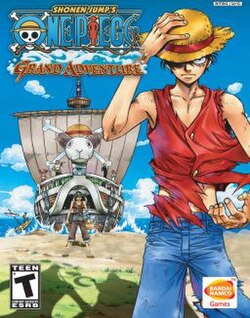
 One Piece Grand Adventure on PS2
 Taiko no Tatsujin: Dokodon! Mystery Adventure on Switch
 Onimusha: Dawn of Dreams on PS2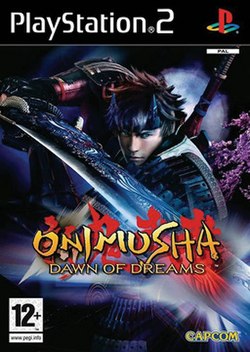










 Another SquareThought Site