

 Aug 2025
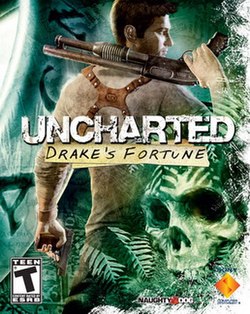

Uncharted: Drake's Fortune arrived on the PlayStation 3 in late 2007 like a polite, extremely photogenic swashbuckler who also happens to be annoyingly good at climbing things. Naughty Dog's first stab at a gritty-but-cinematic, human-centered adventure gave us Nathan "Nate" Drake - a scrappy treasure-hunter who inherited a ring, a bad habit of tumbling off cliffs with dignity, and a script that expects him to quip his way through existential peril. The story is simple in the most agreeable way: find Sir Francis Drake's secrets, get shot at by pirates and mercenaries, discover that the Golden Idol is actually a cursed sarcophagus full of biological nightmares, and then physically toss said sarcophagus into the ocean because that is apparently the mature thing to do. Presentation was the headline act. Critics universally noted the production values: voice acting (Nolan North, Emily Rose, Richard McGonagle), music by Greg Edmonson, and cinematic direction by Amy Hennig all combined to make the game feel like a summer blockbuster disguised as a game. It was obvious the team wanted a playful balance between pulpy Indiana Jones beats and modern third-person cover shooting. At the same time, some early-generation PS3 growing pains showed up: texture pop-in, occasional screen tearing, and a pacing that sometimes treats combat as a recurring exam you didn't study for. Still, Uncharted's debut established the tone and the characters that would carry a franchise; it also sold very well (one million copies in ten weeks, millions more thereafter). If you're looking for an action-adventure that behaves like a movie but requires actual input, this is the polite social event you should attend.
Gameplay in Drake's Fortune is a mash-up you can explain in small, calm sentences: platforming, cover-based shooting, and the occasional moral choice of whether to punch or shoot a guy who is definitely not going to become a friend. The platforming is straightforward and reliable - Drake can jump, grab ledges, climb, swing from ropes, and perform a number of acrobatic tricks that mostly involve keeping him from becoming a permanent part of the island. These sections make the island feel like a place with verticality and secrets, and the animation blending does a good job of making Nate look clever rather than lucky. Combat borrows heavily from cover shooters of the era. You hunker behind walls, pop out to blind fire, or aim for very specific cranial real estate. The lack of an on-screen health bar is actually quite civil: instead of numbers, the world drains of color as you get beaten up, and sitting in cover (or waiting patiently like a considerate person) usually restores you. Nate carries one pistol and one rifle at a time, and weapon swaps are mercifully simple - pick up a new gun, and the old one disappears like a previously useful plan. If you enjoy rhythm, the melee system offers pleasant beats. Single punches are quick; combos require a sequence of presses that, when executed correctly, look appropriately brutal and occasionally reward you with double ammo drops. Grenades are present and contain a tilt-aim gimmick using the Sixaxis. For anyone nostalgic about motion controls, this was a polite reminder that waggle could be useful - for tossing explosives, not for solving life decisions. There are vehicle interludes: a turret-mounted jeep section and jet-ski runs. These are the parts of the game that politely beg to be memorable but mostly exist to vary the dinner conversation. The jeep segment involves standing in the back and doing what you would expect - protecting a moving vehicle while someone else drives - and the jet-ski sequence pairs you with Elena, where you do the driving and she shoots. The inability to aim while driving the jet-ski is an odd design choice that turns otherwise tense moments into brief exercises in patience. Exploration is rewarded with sixty hidden treasures that glimmer briefly when discovered and a medals/rewards system that encourages repeat playthroughs. Collect enough points and you unlock bonuses for New Game Plus: unlimited ammo, costumes, behind-the-scenes videos, and concept art. There are also various accomplishments for headshots, weapon-specific kills, and the kind of micro-goals that will please completionists and mildly annoy everyone else. A few regional quirks are worth mentioning. The Japanese release is censored to remove blood, so if you want bullets to look like polite disagreements rather than puncture wounds, the Japanese version will deliver. Later, Naughty Dog added Trophy support in a patch, introducing 47 trophies that mirrored the medals and the now-familiar Platinum trophy. This was the first Naughty Dog title to support Platinum, which made achievement hunters smile while their thumbs continued their quiet work. Enemies are frequent and determined. The late game leans heavily on a barrage of firefights that critics called a "grind"; designed difficulty spikes make you wish the game would occasionally ask nicely instead of insisting on a duel. Still, combat feels robust for its era, with an emphasis on positioning, ammo management, and smart use of cover. For players who want to feel like a resourceful everyman rather than a walking tank, Drake's Fortune mostly delivers.
Uncharted was built as a showcase for the PlayStation 3's newfound adulthood. Naughty Dog used the Cell processor to layer dozens of character animations, producing facial work and movement that were frankly ambitious at the time. The RSX "Reality Synthesizer" contributed lighting models, pixel shaders, dynamic shadows, and reasonably convincing water - which, given the number of times Nate either swims or nearly swims, was a very practical concern. The art team wanted "stylized realism": photorealistic humans who still behaved like characters in a pulp adventure. The island is intentionally vibrant, full of lush jungles, sun-dappled ruins, and a level of detail that gave reviewers the instinct to compare the visuals to Hollywood production values. Water, in particular, earned praise. The facial animation and camera direction do a lot of heavy lifting, turning relatively simple dialogue into a believable, occasionally witty exchange. There were technical speed bumps. Early PS3 development forced Naughty Dog to switch languages and rebuild pipelines. Animation blending systems were rewritten multiple times, which resulted in a lot of polish but also a few rough edges: texture pop-in and occasional screen tearing showed the game was pushing hardware limits. Enemy hit and reaction animations sometimes tipped into over-exaggeration - which can look cinematic or slightly ridiculous depending on whether you're in the mood for drama or a smirk. Ultimately, the visuals were widely praised for their time. Many critics called the game one of the best-looking titles on PS3 at launch, and the animation work in particular helped sell Nate as a believable, anxious, and sarcastic protagonist rather than a stunt-man in cargo pants. If you are judging by whether locations want to be explored or merely admired from afar, the island earns its invitation to be poked.
Uncharted: Drake's Fortune is best described as an elegant compromise between movie spectacle and interactive agency. Naughty Dog took the risks associated with a new console generation - new tools, new pipelines, and a new tone - and turned them into a confident first entry. The result gleams: strong voice acting, memorable characters, and a cinematic presentation that made critics and players alike feel they were participating in a modern adventure film. The game's small faults are neither sneaky nor lethal. Texture pop-in, sometimes too-many firefights, brief and forgettable vehicle sequences, and a runtime that clocks in at six to ten hours mean it is not a perfect epic. It is instead a tightly written, well-crafted appetizer that suggested something larger was coming. The sales figures and awards that followed confirmed that audiences agreed - Drake's Fortune was the kind of hit that quietly plants franchise flags in the ground and then grins. If you are buying it now on PS3 or as part of the Nathan Drake Collection on PS4, go in for the characters and the presentation, stay for the well-paced platforming and the combat that favors wit over invulnerability. Consider it the gaming equivalent of a charming, slightly reckless friend who manages to survive every questionable decision and then buys you a drink. You will be entertained, occasionally frustrated, and ultimately ready for the sequels.
 Uncharted 3: Drake's Deception on PS3
 Drake & Josh: Talent Showdown on DS
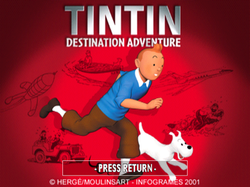
 Tintin: Destination Adventure on PlayStation
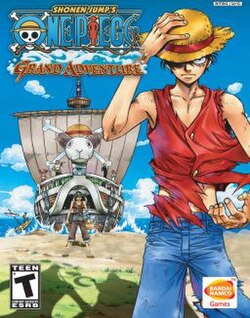
 One Piece Grand Adventure on PS2
 Taiko no Tatsujin: Dokodon! Mystery Adventure on Switch
 Onimusha: Dawn of Dreams on PS2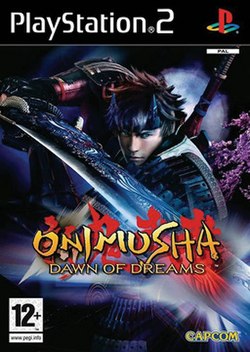
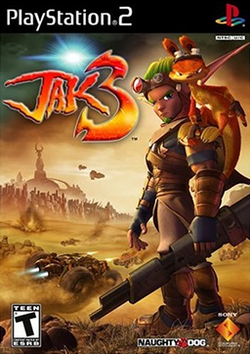
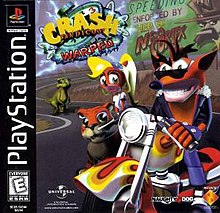 Jak 3 HD on PS3
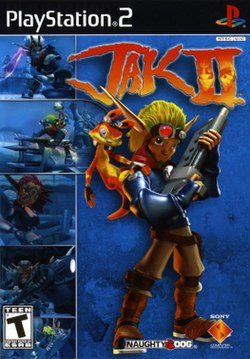
 Jak II HD on PS3
 Crash Bandicoot 2: Cortex Strikes Back on PlayStation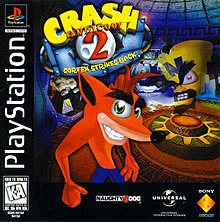










 Another SquareThought Site