

 Dec 2020
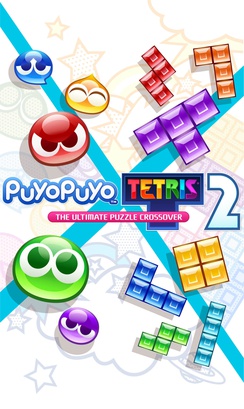

Puyo Puyo Tetris 2 is the videogame equivalent of bringing two blockbuster rom-com leads together and discovering they get along suspiciously well. It is a direct sequel to Puyo Puyo Tetris and, like any responsible sequel, returns with a familiar cast, slightly shinier choreography and one new character who will probably cause a small, melodramatic crisis about the nature of worlds. On PS4 this looks and plays like the party puzzle game it intends to be: fast, colorful, occasionally vicious, and perfectly content to turn your living room into a tiny, polite war zone. If you enjoyed the first game, this will feel like a well-organized reunion where everyone brought a dish you already liked. If you never played the first one, the premise is refreshingly simple: Puyo blobs and Tetris blocks live in adjacent universes and, for reasons of plot convenience, keep crashing into each other during matches. The result is a mash-up that asks you to either chain colored blobs until your opponent cries or drop tetrominos with such surgical precision that gravity begins to feel inadequate. Skill Battle is the new card in the deck - literal but not card-based - and the Adventure mode is an overworld-tinted excuse to parade the roster around while they banter about existentially traumatic dimension merging. It is both silly and very, very functional.
Gameplay is where Puyo Puyo Tetris 2 does most of its talking, and it is polite about it. There are two core systems: Puyo Puyo, which revolves around grouping colored blobs called puyos into chains to send garbage to the other player, and Tetris, which is about slamming tetrominos together to clear lines and send garbage in return. Both systems are intact and unchanged in their fundamentals, which is comforting if your brain already knows how to punish itself with combolines and T-spins. The classic modes are all present: local versus, online matches, Swap (where you switch between Puyo and Tetris fields during a match) and Fusion (where both Puyos and tetrominos drop on the same playfield and your brain learns to multi-task or quietly acquiesce). If you're feeling collaborative, the co-op boss raids let you work with friends to pummel a CPU behemoth, which is helpful if your competitive drive has a social conscience. The balance between systems is handled with the same deliberate, competent hand as before; neither side feels tacked on, and the novelty of seeing both mechanics interact is still legitimately fun. Where Puyo Puyo Tetris 2 tries to differentiate itself is with Skill Battles. Think of them as the game's attempt to add an RPG-flavored spice: characters have skills, items pop up, and a health-bar mechanic means you can win without necessarily overflowing an opponent's field. It is an odd but effective twist. Matches still rely on the old idea of sending garbage, but now you can also influence events clumsily, heroically or with the cold, efficient precision of someone who read a guide five minutes before the match. Some purists grumbled about the health bar; it lets a player be defeated without "topping out," which feels wrong to a certain subset of human beings raised on the purity of block physics. The rest of us accept it as a different win condition and proceed to use every skill and item in pointless succession. The Adventure mode is essentially the game's single-player showcase, dressed in JRPG garb. You traverse an overworld, pick fights with a cast of characters from both series, and engage in Skill Battles that act like random encounters. The story is earnest in the way cartoons are - characters forget events, worlds merge again due to a new entity called Marle, and someone reveals they're the human incarnation of a metaphysical concept. The writing is sometimes deliberately silly and frequently charming; it's not meant to be The Last of Us but it provides a satisfying context for matches and an excellent excuse to try every rule set the game offers. Online functionality was improved over the previous title, and this is both welcome and practical. The game supports leagues, free play, and in later updates cross-play between PS4 and PS5 for online matches, plus a spectator mode so you can watch other people do things you should have been able to do. Sega committed to post-launch additions as well: new characters (Sonic joins in a content update because of course Sonic joins), color-blind support, additional songs, and a "Super Spicy" difficulty for the boss raids if you like your challenge delivered with a small fire extinguisher nearby. If you are a competitive player, Puyo Puyo Tetris 2 also has a growing presence in esports. Sega launched the Puyo Puyo GLOBAL RANKING SERIES to expand competitive Puyo outside Japan, and the game is notable for being the first Puyo installment to let players from abroad compete in official Sega esports events. If that sounds like an earnest paragraph of conspiracy-free good news, it is. The community presence is real, and the game's mechanics support a high skill ceiling for those willing to put in the time. There is one meta-level gripe: if you own the original Puyo Puyo Tetris, this sequel is more evolution than revolution. The additions - Skill Battles, more characters, better online - are meaningful but not seismic. For newcomers, though, it's an embarrassment of puzzle riches. For veterans, it's a tidy and welcome update that mostly refuses to break anything that already worked.
On PS4 the game looks like a confection that decided it could also be steel. Bright, cheerful sprites and character art are crisp and readable; the boards are clean, the colors pop in a way that makes it obvious you will be able to tell a Puyo from a Tetris piece even after five cups of coffee. The UI is sensible, with information presented clearly so you know where garbage is coming from and what ludicrous cascade your opponent has just built while you were blinking. Character animations are cartoony and expressive, which matters more than people realize in a puzzle game where everything else is cubic or rounded geometry. When someone activates a skill, there's a short flourish that communicates mood, consequence and the trademark whimsy of Sega's art team. The arenas and overworld are nicely varied, and the boss designs in the raids give the game a momentary breath of spectacle between rounds of methodical falling pieces. From a purely technical angle, the PS4 version performs admirably. There are no jaw-dropping graphical ambitions here - it is a puzzle game, not a ray-tracing simulator - but frame-rate and input responsiveness are solid, which is dramatically more important than any shader trick. The visuals do their job: they are clear, pleasant and do not get in the way of competitive clarity. Post-launch additions introduced new avatars and music tracks, which is, to be honest, the kind of cosmetics that will make you feel slightly superior to people who still use the default profile picture.
Puyo Puyo Tetris 2 on PS4 is an efficient joy machine. It takes two beloved puzzle systems, polishes their interactions, throws in Skill Battles and an Adventure mode for narrative context, and then sprinkles in post-launch support that actually matters: accessibility options, new characters (including a hedgehog who has nothing to do with stacking), and online features that make competitive play both accessible and official. The game landed generally favorable reviews and an aggregate Metacritic score around 80 for PS4, which seems about right: good, well-made, fun, not desperate for your approval. If you are the kind of person who buys a game to play with friends, or someone who enjoys puzzling their way into mild domination, this will do the job. If you bought the first one on launch day and expected this to reinvent the genre, you may be mildly underwhelmed; this is more of a tasteful sequel than a revolution. For most players though - newcomers, casuals and competitive types who like the idea of two puzzle universes arguing in the same room - it's a neat package: colorful, competent, occasionally cunning, and reasonably serious about letting you have fun while you slowly learn to hate your own mistakes. Verdict: a reliably excellent puzzle crossover that keeps the good bits, adds meaningful extras, and refuses to pretend it's anything other than a very polished way to lose track of time.
 Puyo Puyo! 15th Anniversary on DS
 Puyo Puyo Tetris on PS4
 Puzzle by Nikoli 4: on PS4
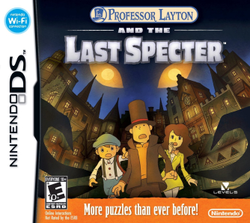
 Professor Layton and the Last Specter on DS
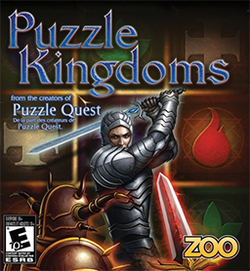
 Puzzle Kingdoms on DS
 Puzzle de Harvest Moon on DS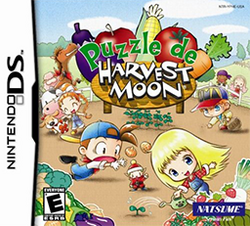
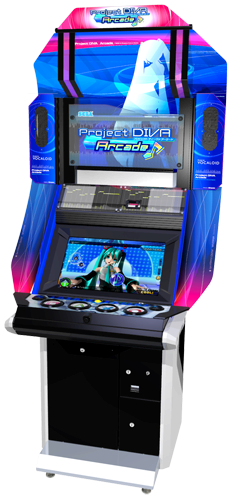 Crazy Taxi on PS2
 Sangokushi Taisen DS on DS
 Sonic Racing: CrossWorlds on PS5
 Alex Kidd in Miracle World on PS3
 Hatsune Miku: Project Diva Mega Mix on Switch










 Another SquareThought Site