

 Oct 2017
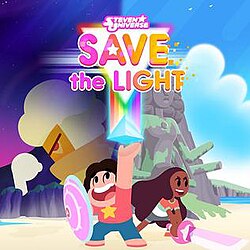

Save the Light is the console-sized follow-up to the delightfully compact mobile RPG Attack the Light!, and it arrives on PS4 with ambitions bigger than Beach City's taco stand. Developed by Grumpyface Studios with story collaboration from Rebecca Sugar, the game stretches the show's charm across explorable environments, puzzle-laden nooks, and a hybrid combat system that sits somewhere between 'mash the button with style' and 'actually think about your moves.' If you're after a Steven Universe experience that asks more of your brain than your thumb, this is the one - but be prepared: the game expects patience, adaptability, and a willingness to learn when its systems get a little... gemmy.
Save the Light's core identity is its combat: a blend of real-time input and turn-based strategy that requires both reflexes and forethought. Battles reward more than button-mashing; timing, meter management, and party synergy are the real MVPs. Each action - whether a basic attack, a block, or an ability - builds the star meter. This isn't just a flashy progress bar: it gates your more powerful moves, meaning you need to decide when to build the meter slowly and poke, or swing hard once you have the juice. The star meter mechanic forces a kind of risk-reward calculus: do you spend your turn to shore up defenses, increment the meter, and set up a combo, or do you gamble on an all-out offensive and hope the enemy doesn't counter? Party composition is another layer of the challenge. There are seven playable characters (Steven, Garnet, Amethyst, Pearl, Connie, Greg, and Peridot) but only four can be active at a time. Learning each character's role - who tanks, who dishes out single-target damage, who provides utility or support - is essential. The characters aren't just palette swaps: they interact through a relationship meter that builds during battle and dialogue, and when it fills, certain pairs can fuse into Stevonnie. This fusion is a tactical tool, not just a spectacle. Timing a fusion can turn a losing skirmish into a decisive win, but misusing it can waste a potent resource. The game rewards players who plan fusions around enemy mechanics and boss windows. Exploration and puzzle-solving are upfront and not just filler. The move to consoles was explicitly justified by Grumpyface as necessary because of the increased gameplay complexity, and that complexity shows up in the overworld design. Progression often hinges on using character abilities in creative ways: you'll be switching parties to manipulate environments, solving environmental puzzles that test your spatial reasoning, and retracing steps to unlock new options. Puzzle difficulty varies, but the pattern is the same - notice environmental cues, experiment with characters' unique moves, and mentally map how your team can alter the space. This forces the player into multi-task thinking: keep an eye on your overworld problem while prepping for possible random encounters or planned confrontations. The hybrid combat system has a learning curve. Early fights teach you the basics, but mid-game encounters demand timing, positioning, and meter management. You need to master both micro-skills (parrying, timing inputs for bonus effects) and macro-skills (planning builds, rotating characters, managing cooldowns and star meter). There are moments where the game leans into RPG staples - level grinding, equipment tweaks, and gear optimization - but the emphasis remains on tactical choices rather than stat-staring. Skillful play is often about squeezing value from modest resources: timing shields to negate enemy specials, using relationship boosts to fuse at clutch moments, and conserving star meter so you have options when a fight turns sour. Unfortunately, the game's technical issues at launch undercut some of that strategic tension. Reviews at release called out bugs and glitches, and a few of those can interfere with the flow of combat and exploration. When the tools you're supposed to use occasionally misbehave, it adds an unwanted layer of frustration. Still, on a clean run, Save the Light asks for more from you than a typical licensed tie-in: it requires learned skill, party orchestration, and situational awareness. If you relish learning a system and squeezing out tactical advantage, this game provides several rewards. If you're expecting a spoon-fed romp, you might find the jumps in complexity a bit jarring.
Visuals follow the cartoon's aesthetic faithfully: cutesy character models, colorful environments, and UI elements that feel like they were ripped from an episode's storyboard. The presentation is where the game shines most consistently; the art direction supports readability in combat and clarity during exploration, which matters when split-second input and strategic planning collide. Performance on PS4 is generally stable, though early reports mentioned glitches that affected immersion. That said, the game's graphic fidelity isn't trying to blow your mind - it wants to make everything readable and charming, and it largely succeeds. The animations during combos and fusions are delightful little rewards that make tactical plays feel satisfying rather than just efficient.
Save the Light is a curious hybrid: a licensed cartoon game that actually expects players to learn, adapt, and strategize. It rewards skillful timing, smart party construction, and the ability to juggle exploration puzzles with tactical combat. The relationship and star meters add fresh mechanics that deepen decision-making, making fusions and meter timing feel meaningful. The downsides are the game's bugginess at launch and an uneven difficulty curve that can catch casual players off-guard. If you love the Steven Universe world and enjoy the challenge of hybrid systems that blend reflexes with strategy, you'll find Save the Light a pleasantly demanding ride. If you're chasing a flawless, plug-and-play experience, temper your expectations; the game's heart is in the right place, but its execution can be rough around the edges. Score: 6.5/10 - a worthwhile challenge for fans and tacticians, slightly hampered by rough technical edges and pacing stumbles.
 Trinity Universe on PS3
 ObsCure on PS2
 Tintin: Destination Adventure on PlayStation
 Combat Elite: WWII Paratroopers on PS2
 Disney's Chicken Little: Ace in Action on PS2
 Onimusha: Dawn of Dreams on PS2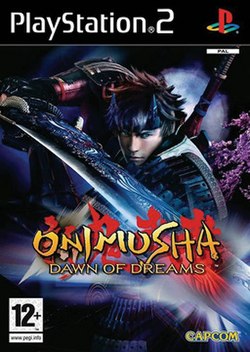










 Another SquareThought Site