

 Jun 2018
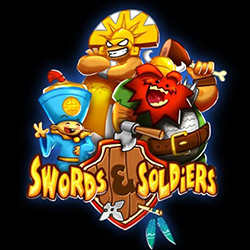

Swords & Soldiers II: Shawarmageddon lands on PS4 like a cheerful barbarian with a maths degree: deceptively cute on the outside, and secretly calibrated to make you sweat over tiny decisions. Built from Ronimo's knack for turning RTS basics into a compact, pick-up-and-play brawl, Shawarmageddon keeps the franchise's signature auto-marching units, faction quirks and spell candy, while adding sequel-level tweaks that alter the challenge profile. If you play it for the cartoons and one-liners you'll grin; if you play it for the challenge, you'll learn to love - and fear - the clock, your build orders and the precise timing of a single spell cast.
At its core Swords & Soldiers II is a study in controlled chaos. Units are purchased, resources are managed, and then those units march automatically toward the enemy base - that quirk forces your brain to think in terms of momentum, attrition and push timing rather than classic single-unit micro. The original game's trio of factions (Vikings, Aztecs, and Imperial Chinese) is an important reference point because Ronimo deliberately designed factions that read and play differently. The Vikings are straightforward and upgrade-focused, the Aztecs offer "playful cruelty" with unit sacrifices for mana, and the Chinese revolve around building and protecting a mana-generating statue. Those asymmetric resource systems mean the skill ceiling isn't just about who presses buttons fastest; it's about reading systems, anticipating opponent rhythms and committing to a strategy that fits your faction's engine. Challenge in Shawarmageddon is multilayered. The campaign and skirmish modes throw varied objectives at you - from base-to-base pushes and defend-until-you-die waves to infiltration-type challenges that punish wasted units. Each mission nudges (or yanks) your priorities: do you invest early gold in miners and a bigger army later, or spend now to pressure and force your opponent into awkward trades? The answer is rarely binary. Timing is king: knowing when to queue a unit, when to cast a spell to wipe a cluster of enemies, or when to hold back a key upgrade because the enemy is about to cast their big counter-spell - those split-second strategic choices define the higher-level skillset. Resource management is deceptively demanding. Gold funds your troops, while mana is the premium currency for spells that can swing an engagement - think of mana as your tactical trump card. Effective players maintain a two-track awareness: macro (build order, economy, tech path) and tactical (spell timing, target priority). Falling behind in either is fatal. You can be micro-fluent by knowing which spell removes a threat, but if your gold intake is stunted you won't have the units to capitalize. Conversely, a fat economy without timely spell use often leaves your charging horde staring down a well-cast doom spell and a total reversal. The sequel's additions change the skill profile in useful ways. Players can control base location and direct unit movement points - this introduces controlled troop manipulation that the original team feared would lead to twitchy micromanagement. Instead, it rewards map awareness and positional thinking: funneling units through chokepoints, timing reinforcements to meet enemy waves, and shaping engagements so your AoE spells hit sweet spots. The game still avoids the frantic micro of StarCraft-style unit-by-unit control, but it rewards fine-grained decisions about where your collective army should be and when to change lanes. Multiplayer - split-screen and online skirmish - is where the challenge sharpens into a competitive blade. Matches are fast, punishing, and often decided by a single missed spell or a delayed upgrade. Players who learn to read opponents' faction tendencies and adapt build orders accordingly will consistently outperform those who stick to a single rote plan. Adaptive thinking is the skill that separates casual winners from repeat victors. Learning curve and accessibility are balanced elegantly. Ronimo historically invested in a smart difficulty curve and heavy playtesting; the result is a game that welcomes newcomers with friendly units and clear mechanics but keeps veterans engaged via tricky mission design and faction asymmetry. If you crave a strategy game where reflexes are part of the picture but prediction, economy management and spell discipline matter more, Shawarmageddon scratches that itch. If there's a weak spot in the challenge design it's the tension between rewarding tactical finesse and avoiding micromanagement. The developers deliberately limited certain troop-level controls to preserve strategic decision-making; players searching for high-action micro may find that constraint frustrating. But for those interested in a more cerebral, rhythm-based RTS experience, the constraints become strengths because they force you to think in waves, not pixels.
Visually, the Swords & Soldiers line wears its charm on its sleeve. The colorful, cartoon-ish art direction turns every battlefield into a busy, readable diorama where unit silhouettes and spell effects pop - important because clarity is a gameplay necessity when timing matters. Animations are expressive without being noisy, which helps you parse combat at a glance and make the right tactical choice instead of squinting at a mess of sprites. Audio and personality also matter to how challenges feel. The soundtrack and sound design were developed alongside an external studio and recorded voice lines (even by the developers), creating a playful atmosphere that keeps missions from becoming tedious. It's surprisingly motivating to hear your units' taunts and exclamations when the stakes are high: that small bit of charm nudges you to keep trying when a mission humbles you for the third time. On PS4 the game benefits from sharper presentation compared to older ports, but the important point is the aesthetic clarity - every visual and audio cue is engineered to support competitive decision-making, not obscure it.
Swords & Soldiers II: Shawarmageddon on PS4 is a bite-sized RTS that punches well above its adorable weight class. The real draw is how it turns fundamental RTS concepts - resource loops, faction asymmetry, spell timing - into a compact competitive dance. The game rewards pattern recognition, timing discipline, and the ability to adapt mid-match; it punishes tunnel vision, poor economy management and slow reactions to enemy spell plays. If your idea of fun is slowly building an unstoppable army and then mindlessly steamrolling an opponent, you'll find mixed results: the game deliberately punishes such complacency. If you like thinking in terms of momentum, timing, and layered resource engines - and if you enjoy being challenged by mission design and human opponents - Shawarmageddon is a delightful test of your RTS instincts. For an estimated score of 8/10, the title earns high marks for the tight challenge curve, faction design and presentation. It loses a little ground only if you crave extreme micro or if you're looking for the most esports-level depth imaginable. For most players - especially those who enjoy a strategy workout with a side of humor - this PS4 port is a smart, challenging and endlessly replayable option. Bring your timing, keep an eye on both ledgers (gold and mana) and learn to read your opponent: that's where the real fun - and difficulty - lives.
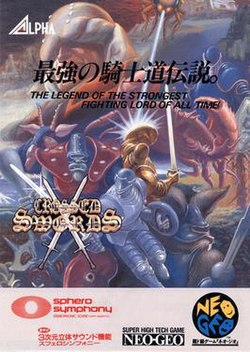
 ACA Neo Geo: Crossed Swords on Xbox One
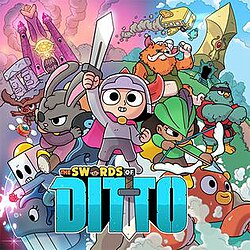
 The Swords of Ditto on PS4
 Nobunaga's Ambition: Iron Triangle on PS2
 Time Commando on PlayStation
 Super Time Force Ultra on PS4
 Time Crisis on PlayStation
 Awesomenauts on PS3










 Another SquareThought Site