

 Jul 2017
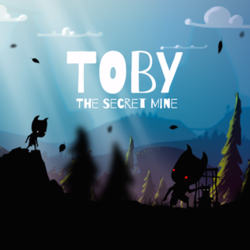

Toby: The Secret Mine rolls up to the PS4 like a shy cousin of Limbo who actually brings cookies. It borrows the monochrome silhouette aesthetic, keeps the side-scrolling puzzle-platform DNA, and then sprinkles in more color and slightly sunnier vibes. If you want a game that will repeatedly deny you progress until you learn its rules and timing, Toby is here to tutor you in the fine arts of patience, observation, and dying in increasingly creative ways. This review zeroes in on what the game asks of you: the mechanical skills, the cognitive muscles you'll pump, and whether that workout is worth the sweat.
Toby: The Secret Mine is a straightforward side-scrolling puzzle-platformer with 21 levels that each try to trick you at least once. You guide Toby through forests, caves, a mine, and even a blizzard, and each environment introduces its own brand of nastiness. The basic controls are simple, but the devil is in the execution. Expect a lot of platforming that hinges on split-second timing, environmental awareness, and the stubborn willingness to learn from failure. The game's challenge profile is built around a few pillars. First: traps that are easy to miss unless you're paying attention. Toby's world is littered with hidden nasties-spikes, collapsible platforms, and mechanical contraptions that wait for sloppy players. This makes observation one of the primary skills: scanning for visual cues, remembering where shadows hide danger, and developing an instinct for "that floor looks like it's about to betray me." The silhouette art style helps by creating bold silhouettes that either hide or reveal threats depending on how you look at them, so training your eye to read shapes and negative space becomes part of the gameplay loop. Second: timing and reflexes. The blizzard levels, in particular, lean heavily on precisely timed platforming. Wind gusts and slippery surfaces force you to plan your jumps better; there's little room for waggling the analog stick and hoping for the best. That means you'll practice micro-adjustments, jump-cancels, and learning how long Toby's momentum carries him. For players who call themselves "precision platformers," these sections are satisfying. For those who prefer leisurely exploration, the timed platforms will feel like an obligation. Third: puzzle-solving and a dash of guesswork. Not every puzzle in Toby telegraphs its solution with elegance; some require trial-and-error and a willingness to get punished until the right approach is obvious. The reception section on the original game points out that certain puzzles force you into guesswork, and that's accurate. If you're the type who loves lateral thinking and logic puzzles, you'll get moments of bright satisfaction. If you hate failing because the game withheld a key hint, you'll feel that sting. The game does balance this with smaller environmental puzzles that reward careful observation rather than rote experimentation. Exploration skills also matter. There are kidnapped friends hidden across levels; finding them rewards curiosity and careful route-taking. The incentive to backtrack or poke at odd corners turns the game from a pure speed-run platformer into something of a scavenger hunt. It's a nice counterbalance to the more punishing timed sections. Because Toby was made by a solo developer over a year and a half, the design favors tight, focused levels rather than sprawling, open-ended systems. That constrains the variety but also concentrates the challenge-each stage teaches a mechanic or hazard, then layers complexity. The result is a short game that still demands consistent skill growth: you'll get better at reading silhouettes, predicting traps, and nailing timing windows if you stick with it. One more meta-skill you'll develop: humility. Suppose you think you're a platforming god after a few easy sections. The mine and blizzard will bring you down to earth and remind you that every game has a boss level. Learning when to slow down, observe, and plan versus when to muscle through with reflexes is the central meta-game Toby asks of its players.
Toby's silhouette visuals are its most immediate identity statement. The art style clearly flirts with Limbo's shadowy aesthetic but trades oppressive darkness for splashier backdrops and more colorful environments. That gives the game personality while preserving the clarity that silhouette graphics provide: hazards and platforms stand out as stark shapes, which helps with readability during tense jumps. The environments-forest, cave, mine, blizzard-each come with unique set pieces and visual motifs that signal what kind of challenge is coming. The visual clarity supports the gameplay: when you're learning to spot traps, the bold shapes either help or harm you on purpose. It's clever design because it makes the discovery and the consequences feel fair more often than not. The downside is that the game's look is not particularly original; critics have pointed out the close resemblance to Limbo. Still, Toby softens the grim tone with brighter colors in backgrounds and occasionally whimsical touches, so it feels like an affectionate homage rather than a direct carbon copy. For a solo-developed title on Unity, the presentation punches above its budget and mostly enhances the challenge rather than obscuring it.
If you're buying Toby: The Secret Mine on PS4 for a chilled, scenic platform stroll, you'll be misled. It's a compact puzzle-platformer that thrives on teaching you the lesson the hard way: watch the world, respect the timing, and be ready to die until you don't. The challenge comes from a mix of observation-based traps, timed platforming (especially in the blizzard zones), and puzzles that sometimes demand logic and sometimes demand repetition. Those are the skills Toby pushes you to develop-reflexes, spatial reading, pattern memorization, and patient experimentation. The solo development roots show in places: some puzzles lean on guesswork, and the game's originality takes second place to its inspirations. But if you appreciate precise design, bite-sized levels that escalate in craft, and a platforming gauntlet that rewards steady learning, this is a pleasant little workout for your thumbs and brain. I'm giving it a 7/10 because it's charming, often clever, and reliably challenging, even if it occasionally asks you to grope around in the dark for answers. Play it when you want a short, honest test of platforming chops-and maybe keep a cushion handy for the controller-flinging moment after the sixth time you miss that one invisible spike.
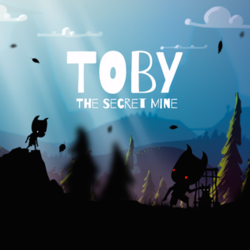 Nuclear Throne on Switch
 Secret Files: Tunguska on DS
 Puzzle by Nikoli 4: on PS4
 Twinbee Taisen Puzzle Dama on PlayStation
 Tokimeki Memorial: Taisen Puzzle-Dama on PlayStation
 Professor Layton and the Last Specter on DS










 Another SquareThought Site