

 Apr 2020


Trials of Mana's 2020 remake is a technical tightrope walk: a 3D resurrection of a 1995 Super Famicom cult classic rebuilt in Unreal Engine 4, rewritten to feel like 'new' rather than 'nostalgia with jagged edges'. Xeen and Square Enix opted to keep the core three-character party and branching protagonist structure, but reengineered combat, classes and camera for a modern single-player action-RPG. If you come expecting a frame-perfect pixel-to-polyon conversion you'll be disappointed; if you want a mechanically-minded rework that fixes old irritants and adds modern systems - sometimes clumsily - this is a smart, if imperfect, technical remake.
At its mechanical heart Trials of Mana converts the original's turny-top-down romp into a reactive, combo-oriented action system built around light and heavy attacks, jump, dodge and weapon switching. The team scrapped an initial top-down prototype that felt "off" and rebuilt the battles to be approachable yet layered: basic attacks feed into combos, Training Points unlock statistical growth and a diversified Ability system, and class progression grants active Class Abilities that change how characters engage in combat. The parade of systems is where the remake really earns its keep for players who like to tinker. Experience still raises HP/MP, but Training Points are the true lever: you spend them into attribute trees to open new moves and passive bonuses, and once unlocked some Abilities are shared as Chain Abilities across the party. Class changes are tiered and give automatic Class Abilities, which reshapes a character's role mid-campaign. The post-game introduces an extra class and the ability to New Game+ with level and item carryover; a later patch added a level reset for NG+ to facilitate experimentation. For completionists the Item Seed economy and the Planter Level mechanic are neat touches - you grow consumables in town pots and higher-tier seeds produce better loot, which makes the otherwise routine looting loop feel like a light resource-investment meta. AI and party behaviour were deliberately reworked from the original; allies are controlled by improved scripting so you don't have to micro-manage every heal or spell. That said, reviewers noted the AI can still feel lackluster in skirmishes: allies will engage reliably but rarely exhibit agressive, context-aware tactics, and some skills are gated behind obtuse class conditions. Boss encounters are the technical highlight - tightly designed arenas, clear telegraphs and satisfying multi-phase fights that benefit from the system's combo and class depth. Camera and control are the remake's most divisive technical points. The third-person camera gives you control in exploration but stumbles in hurried combat: reviewers and players found the camera can be awkward during grouped melee, and lock-on behaviour is not always generous. The team included short side-scrolling sequences as an homage to the original which are executed well, but they sit uneasily next to the main 3D camera scheme. Exploration itself is mostly linear - the map split into towns and overworld areas - and while hidden items, Li'l Cactus collectibles and treasure chests exist to reward curiosity, some players will find the incentive to explore thin compared to the amount of empty traversal. Multiplayer, a feature in the SNES original, was considered early in production but ultimately discarded to avoid fragmenting resources. That single-player focus shows: the combat systems are coherent and the class/ability web supports varied playstyles, but you feel the absence of simultaneous co-op in the way some encounters and abilities were designed around party synergies rather than solo throughput.
Trials of Mana is built in Unreal Engine 4 and its visual identity is one of the remake's most deliberate technical choices. Haccan's redesigns translate the original pixel art into character models with modern proportions and a saturated, picture-book palette. Where the original used exaggerated pixel proportions for expression, the 3D models adopt subtler facial animation and cinematic framing - this modernisation cleans up the look but sometimes reduces the punch of character moments because the limited animation set can't match the expressiveness of stylised sprites. On PS4 the art direction largely works: materials, volumetric lighting in townscapes and environmental color theory are attractive and consistent. However, technical compromises are visible - pop-in of geometry and textures was flagged in reviews and some environments exhibit streaming artefacts when the camera moves quickly. These are not catastrophic, but they break immersion more often than they should in a game that leans on exploration. Performance on PS4 is steadier than on Switch (where reviewers noted severe frame drops), but the camera issues and occasional frame hitches dampen what would otherwise be a glossy, nostalgically-flavoured presentation. Audio production is a significant technical win. Hiroki Kikuta supervised new arrangements while Sekito and others handled most of the remixes. The game includes options to switch to original tracks, and a handful of pieces were recorded with an orchestra - most remain synth-based - which makes the soundtrack both faithful and textured. Contrast this with the English voice direction, which reviewers widely panned: voice acting is functional for exposition but often suffers from inconsistent direction and delivery, which undercuts cutscenes where the new 3D camera tries to milk emotional beats. Localization itself was a large technical task - simultaneous translation into eight languages at release - and the team mostly pulled it off, though the dub quality is an unfortunate weak link.
Technically, Trials of Mana is an earnest and mostly successful remake: Unreal Engine 4 gives it a modern sheen, the combat is redesigned into a responsive, combo-friendly system, and the layered class/ability architecture rewards players who want to optimise and experiment. The AI improvements, Training Point mechanics, seed economy and post-game class add meaningful systems that modernise the original design. Conversely, camera behaviour during intense fights, occasional pop-in and the uneven English dubbing are recurring technical blemishes that keep the game from feeling seamless. If you're a systems-first player who loves to dissect combat loops, class synergies and resource systems, Trials of Mana delivers a lot of enjoyable engineering under the hood. If you're sensitive to cinematics or expect flawless third-person camera behaviour and top-tier localization polish, you'll notice the edges. It's a remake that privileges mechanical rework over slavish visual nostalgia - and for my money, that's the right call. The result isn't flawless, but it's a competent, clever technical reinterpretation of a classic that deserved to be reborn. Hence a 7.6/10: an above-average technical remake with smart design choices and a few rough technical edges.
 Toki on Switch
 Trials of Mana on Switch
 Combat Elite: WWII Paratroopers on PS2
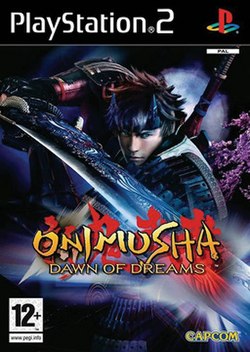
 Onimusha: Dawn of Dreams on PS2
 Disney's Chicken Little: Ace in Action on PS2
 Tokyo Xanadu eX+ on PS4











 Another SquareThought Site