

 Aug 2015
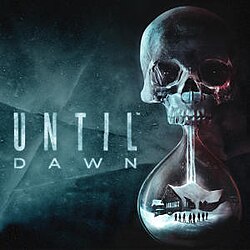

Until Dawn is the sort of game that walks into a cabin full of horror-movie clichés, politely apologises for the mess, then proceeds to smash the furniture in ways that are somehow both loving and vicious. Developed by Supermassive Games and originally conceived as a Move-based PS3 experiment, it arrived on PS4 as a polished interactive drama that wears its slasher-movie influences like a vintage jumper: obvious, comfortable and slightly singed at the cuffs. The premise is straightforward and deliciously mean - eight young adults, a snowbound mountain lodge, missing siblings, a handful of bad decisions and a system that keeps a very cold, very impartial record of everything you chose to do. Choices matter, deaths are permanent, and the game will not let you reload a save like a remorseful time traveller. Instead it sits there, smug and passive, waiting for you to find out what your week of poor judgement has bought you.
Gameplay in Until Dawn is an exercise in theatre direction you cannot be trusted with. You switch between eight archetypal teenagers - the jock, the skeptic, the nervous hatchback of a character who probably hides interesting secrets - and steer them through ten chapters of escalating tension. Most of the time you tread a line between exploration and cinematic cutscenes, poking around a gorgeously moody Blackwood Mountain to collect clues and totems. Totems are the game's polite way of saying "we will hint at the future," offering precognitive glimpses that may help prevent you from making the dumbest possible choice. Which, to be clear, you will still probably make. The butterfly effect system is the game's beating moral heart and its most cheerful bully. Twenty-two critical choices ripple outward into hundreds of permutations; the auto-save system locks many of those ripples in place to ensure you cannot undo your moral micro-aggressions without restarting the whole thing. Deaths are permanent and the story adapts. If you enjoy crafting eccentric family trees of the living and the dead, this is the sort of branching narrative that will keep you replaying, if only to see how different combinations of idiocy and careful sleuthing end. Action largely comes down to quick-time events. Before you roll your eyes, a surprising number of these work extremely well. There's a "Don't Move" mechanic - hold the controller still while an on-screen prompt judges your physical restraint - which transforms the familiar button-mashing panic into a quiet, stomachy suspense. Other sequences demand precision and timing; fail a key prompt and a character may find a painfully creative way to become a corpse. The game resists cheap "you die, reload" temptations with a strict save policy, so each QTE and decision carries weight. This makes the experience tense in the way a true slasher feels tense: choices matter, silence is loaded, and a single twitch can be dramatic. Exploration is fairly linear. Levels are well designed, with locations that feel distinct and cinematic - from the ice-cold lodge to the claustrophobic mines - but your interactions with objects are limited by design. The original Move roots show up in awkward control moments and occasionally clunky 3D navigation, but Supermassive smartly converted the idea into a third-person, cinematic experience that favours mood over mechanical depth. The intermissions with Dr. Alan Hill (played by Peter Stormare) add an oddly satisfying meta-layer: he analyses your choices and makes you feel judged by someone with both expertise and eyebrows. Performances from an assembled cast (including Rami Malek and Hayden Panettiere) elevate what could have been stock characters into people you grudgingly care about - until you don't, because sometimes you let them die.
Powered by the Decima engine, Until Dawn looks like a winter postcard left out in a thunderstorm. The environments are the work of people who clearly enjoy fog, volumetric lighting and the tasteful application of gore. Lighting does the heavy lifting here: shadowed hallways, shafts of cinematic moonlight and particle effects combine to make Blackwood Mountain feel both lived-in and imminently dangerous. Character models benefited from motion capture and recognizable actors, which helps during quieter scenes where micro-expression matters. At times facial animation can tip into the uncanny - a twitch that reads as either anguish or poor microwave etiquette - but generally the motion-capture performances land the emotional beats the script needs. The choice to use mostly fixed, cinematic camera angles is a deliberate one, and it mostly pays off. It gives the game a stage-play quality that foregrounds dramatic framing and delivers jump scares and reveals with the impact the designers intended. There are occasional complaints about camera transitions and control awkwardness, and yes, some sequences still feel like they remember how they were supposed to be played with the Move controller, but the visual presentation sells the game's atmosphere more often than it undermines it. Jason Graves' score deserves a mention: it layers orchestra with atonal textures and even a goat-hoof shaker for mountain ambience. The music reacts to your actions, swelling and squirming at appropriate moments, which is helpful because you will need all the cues you can get to know when to panic and when to pretend you are composed.
Until Dawn is not trying to reinvent horror; it's trying to be the interactive version of the movie you half-remember from VHS, the one you loved for the scares and for the awful decisions. Supermassive turned a PlayStation Move oddity into a remarkably confident interactive drama that combines branching storytelling, theatrical presentation and enough nasty surprises to keep you checking the windows. The butterfly effect system is sometimes more about promising possibilities than fulfilling all of them, and the controls exhibit the ghost of their motion-control past. Quick-time events and the relentless autosave system will punish you for mistakes, which is infuriating and oddly thrilling in equal measure. Its story, voice acting and worldbuilding are the game's strengths; the rest fills in around those bones with a competent, stylish shiver. If you want a horror game that asks you to make decisions you will regret and then forces you to live with the consequences, Until Dawn is a tidy, delightful trap. It will make you feel clever when your choices save someone and horribly responsible when they do not. It rewards curiosity, punishes hubris, and manages to be both a love letter to slasher films and a stern lecture in the ethics of flashlight use. Play it once to be terrified, play it again to be smug, and play it a third time if you are into carefully orchestrated regret.
 Ministry of Broadcast on Switch
 Monark on Switch
 Obscure: The Aftermath on PS2
 Tokimeki Memorial Drama Series Vol. 3 Tabidachi no Uta on PlayStation
 Crow Country on PS4
 Tokimeki Memorial Drama Series Vol. 1 Nijiiro no Seishun on PlayStation
 Little Nightmares III on Xbox Series X/S
 Little Nightmares III on PS5
 Directive 8020 on PS5
 Directive 8020 on Xbox Series X/S










 Another SquareThought Site