

 Nov 2019
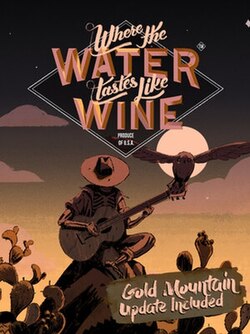

Where the Water Tastes Like Wine is the kind of game that politely refuses to be loud. Instead of pew-pew combat or insta-upgrade loot boxes, it hands you a battered hat, a wagonful of folklore, and an itch to travel across a Depression-era United States while swapping stories with absolute strangers. The game arrived on PS4 in late 2019, after debuting on PC in 2018, and is the brainchild of Dim Bulb Games and Serenity Forge. If your idea of a road trip involves more existential Americana than playlists and gas station taquitos, this one's for you. The premise is simple, charming, and a little bit magical: you listen to oral stories, collect them, and pass them along to other characters. Stories are the currency, the progression mechanic, and often the emotional payload. Think of it as Tinder for tall tales, where the right anecdote unlocks a person's life rather than a swiped-right heart. The presentation leans heavily on narrative and mood, backed by a lauded soundtrack that spans folk, blues, and country. It sounds mellow, and it is - but dig a little deeper and you'll find texture, oddities, and the occasional sting of melancholy.
Gameplay in Where the Water Tastes Like Wine is understated on purpose. You traverse the map by walking, hitchhiking, or freighthopping - yes, you can hop on freight trains and pretend you are in a black-and-white novel, minus the cigarette smoke and plus a slightly more electrically charged soundtrack. The game keeps track of hunger and tiredness, pushing you to scrounge up food or cash to stay on the road. Money is scarce, as befits the Great Depression setting, and choices about spending can shepherd you to a warm meal or an expensive ride, balancing convenience against the scrappy satisfaction of doing it the hard way. The real meat of the game is the story economy. Every character you meet wants something from you: a tale that matches their mood, interests, or secret history. You give a story, they open up, and you learn more - sometimes gaining new stories in the exchange. It's not a fetch quest dressed up as a Victorian tea party; progression hinges on empathy and narrative logic. Matching a story to a listener is often delightfully intuitive and occasionally maddening, especially when a character's true history only becomes available after you earn their trust through a string of well-placed yarns. Mechanically, this means your inventory is mostly a rolodex of stories rather than weapons or crafting materials. There's a satisfying puzzle element in figuring out which tale will unlock which person, and that puzzle is more about human chemistry than pattern recognition. The dialogue and writing are front and center, supported by a cast of writers and performers - the game even features a cameo by a recognizable musician, which feels like the sort of eccentric footnote this game wears proudly on its sleeve. If you play expecting twitch reflexes or boss fights, be prepared for chronic disappointment and existential revelations. The pace is contemplative, the stakes are emotional, and reward comes in the form of narrative revelations rather than XP points. The game's systems are simple but clever; swapping stories acts as the main lever of interactivity and keeps you engaged by tying gameplay directly to the storytelling experience. It's a slow burner that rewards curiosity and patience, and if your patience meter is set to insta-gratification you might find yourself nudging the controller like an impatient ghost.
Where the Water Tastes Like Wine is not trying to flex GPU dominance. It opts for a painterly, atmospheric aesthetic that supports the mood rather than steals the spotlight. Character portraits and map screens lean into stylized art and mood-heavy palettes that echo the game's themes of travel, loneliness, and small-town encounters. The visuals act like illustrated pages of a folklore book brought to life - atmospheric and often haunting, rather than photorealistic. On PS4 the experience is stable and faithful to the original, which is exactly what you want for a narrative-driven title. There aren't jaw-dropping technical fireworks to report, but the art direction and UI are both functional and evocative. The visual design does a good job of letting the writing and soundtrack take center stage, which is the point here. If you were hoping for dazzling action sequences or a 4K lightshow, you will not get that. If you wanted mood, character, and the sense that every town on the map has its own weathered story to tell, the game delivers in spades.
Where the Water Tastes Like Wine is a game of stories - not just in its mechanics, but in its very soul. It's the kind of indie experiment that lets narrative breathe and gives players room to wander. Critics and players greeted it with mixed feelings: some loved its ambition and voice, while others wanted a tighter payoff or more gameplay variety. Metacritic reflects that split, with respectable but not sky-high scores, and the game did win the Developers Choice Award at Indiecade, which feels appropriate for something this idiosyncratic. It's worth noting that despite praise and awards, the game's commercial life was rocky. Creator Johnnemann Nordhagen later described the launch as a disappointment in sales, noting that initial purchases were fewer than his Twitter followers - a rough metric that underlines how even critically loved experiments can struggle in the market. That background adds a bittersweet note to the experience, as you play something clearly crafted with care and then remember how merciless the industry can be. The soundtrack deserves its own ovation: a 30-track compilation spanning folk, blues, country, and related traditions, released by Materia Collective and even pressed on limited vinyl. It's a perfect fit for the game's mood and one of the reasons long stretches of exploration never feel empty. If you like games that prioritize story, mood, and human connection over combat and leaderboard grabs, Where the Water Tastes Like Wine is worth a trip. It asks you to slow down, listen, and exchange tales with strangers on the road. Play it for the writing and the music, and accept that part of the charm is the game's willingness to be contemplative and imperfect. It won't hold your hand, but it might hand you a story that sticks with you - and sometimes that's more valuable than another glowing trophy on your shelf.
 PixelJunk 4am on PS3
 Volfoss on PlayStation
 Monster Hunter Generations Ultimate on Switch
 Tintin: Destination Adventure on PlayStation
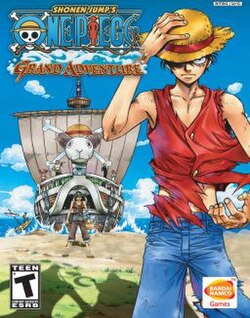
 One Piece Grand Adventure on PS2
 Taiko no Tatsujin: Dokodon! Mystery Adventure on Switch
 Taiko no Tatsujin: Don to Katsu no Jikū Daibōken on Switch










 Another SquareThought Site