

 Sep 2025
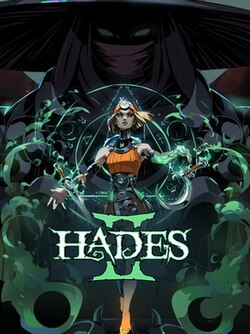

Hades II arrives on the Nintendo Switch like a lightning-fast spear hurled by a god who reads optimization guides on the side. Supergiant's sophomore trip into an already beloved underworld keeps the studio's signature DNA-tight combat, theatrical writing, and Jen Zee's eye-melting art-while layering in a bunch of systems that reward careful build choices and punish button-mashers who think "dash" is a personality trait. This review digs into the technical guts: how the game systems interlock, how the sequel scales from early access to the finished Switch build, where the engine and design choices shine, and the handful of places the experience stumbles (mostly narratively, but there are a few implementation notes of interest). If you care about frames, memory, systems design, and why a "Magick Bar" matters more than you think, strap in.
At its core Hades II is a roguelite dungeon crawler, but Supergiant didn't just copy-paste the first game's scaffolding and slap a pastel coat over it. The mechanical evolution is deliberate and technical: the player now juggles conventional melee/ranged primary attacks, weapon-specific specials, a cast that can root enemies, and a new Magick Bar resource. The Magick Bar is the sort of combat economy tweak that quietly shifts risk profiles-it's charged by attacking, which turns offense into a recharge loop and incentivizes aggressive play rather than poking from safety. That design choice interacts elegantly with the cast lock; you can immobilize a high-priority threat and burn Magick for a follow-up that either amplifies damage or sets up summons. Boons from the Olympians still form the game's procedural power narrative, but Hades II layers an extra strategic stratum with Hexes-summon attacks linked to Selene that are augmented via an in-run skill tree. This is smart from a systems perspective: Hexes give players a persistent sense of progression each run without collapsing the roguelite entropy that makes each attempt feel fresh. The skill tree for Hexes functions as a short-term meta-progression that shifts choices each run, keeping build diversity high and reducing the "one optimal route" syndrome that can hollow out replayability. Level architecture is another place where the sequel gets technical kudos. The map now bifurcates into two distinct paths-an underworld descent and a surface ascent-each with its own region sets and boss gates. This branching meta-level isn't just cosmetic: it shapes pacing, encounter density, and resource distribution. Because each region unlocks upon clearing the previous, the game controls progression tightly while still offering variety in flow. Boss encounters remain the high-cost checkpoints in the run economy (Hecate, Scylla, Cerberus, Chronos, and others). Their design leans on telegraphed patterns but layers time-manipulation and multi-phase transformations that exploit the player's toolkit-particularly the cast and Magick synergies. The Crossroads overworld returns as the meta-hub where persistent upgrades, crafting of incantations, weapon unlocks, and relationship systems live. The way Supergiant splits upgrade vectors (per-run power spikes via Boons and Hexes, versus permanent progression via Crossroads unlocks) is a textbook example of maintaining short-term excitement and long-term player investment. God Mode makes a return too, re-scaling difficulty and introducing asymmetric difficulty ramps; it's important to note that this mode is tuned to be additive across runs, so the learning curve and challenge curve remain configurable for different skill profiles. On the Switch specifically, Supergiant shipped a finished product that-judging by critical aggregation and the lack of widespread technical complaints-manages the common constraints of handheld hardware well. The game's combo of 2D painterly assets and procedural room loading is congenial to limited memory budgets: detailed art is compressed into tiles and streamed in predictable chunks, which reduces hitching during transitions. The team's decision to encourage modding early (source code snippets were left in game files during early access) suggests a confidence in their systems layer; this openness also means PC-side systems can inform console-level patches more rapidly. Where the gameplay stack stumbles is less in the execution of combat and more in the intersection with narrative beats. Multiple outlets and audiences flagged the ending as underwhelming; Supergiant later patched extra scenes and an option to revert to a pre-conclusion state. Technically, that fix represents a responsive live-service-style update pipeline: the studio pushed content-based patches that altered story state and added player choice post-launch, which is an admission that some high-level design decisions required iteration after player feedback.
Supergiant's visual pipeline, led by Jen Zee, remains the headline act. On the Switch the game's hand-painted aesthetic is preserved without heavy degradation-colors, line work, and particle effects retain their fidelity, which speaks to an art asset management strategy that separates stylistic resolution from raw texture size. Instead of scaling down stylization, the renderer likely uses a combination of smaller atlases, aggressive texture streaming, and shader tricks (baked lighting cues and normal-simulating effects) to preserve the look while keeping VRAM pressure low. From a performance standpoint the title benefits from being fundamentally 2D with layered effects rather than a full 3D scene. That means frame budgets can be spent on smooth animations and particle density rather than polygon throughput. Voice acting and music are tightly integrated-Darren Korb's score and Austin Wintory's contributions are mixed dynamically to the gameplay state, which reduces audio cutting and keeps the soundtrack "interactive" rather than merely background. The result is an audiovisual package that feels studio-grade even on a handheld. Early access showed some placeholder portraits and art roughness, but the full release addressed these; GameSpot called it the studio's "best looking yet," and that lines up with the pipeline choices: final assets, consistent artist-driven shaders, and prioritization of 60fps-feel even if the Switch target fluctuates. The port appears to favor frame consistency and input latency over raw resolution in handheld mode, a sensible trade for an action-heavy roguelite where responsiveness trumps pixel-count.
Hades II on the Nintendo Switch is a masterclass in how to expand a beloved formula without breaking the machine. Supergiant deepens the mechanical complexity-Magick Bar economies, Hex skill trees, bifurcated region maps-while keeping combat visceral and responsive. The art and audio pipelines are tuned for the Switch's hardware limitations without neutering the studio's signature style, and the live-update response to narrative criticism shows a mature post-launch process. If you're a systems nerd, Hades II will give you plenty to chew on: elegant resource loops, modular synergies between summons and cast, and a meta-upgrade model that balances transient power with permanent progression. If you're a Switch owner who just wants to play something gorgeous and tight on the bus, same deal-this feels like a first-party polish job from an indie studio. The main blemish was the reception to the ending, which Supergiant has since amended; that controversy is worth noting because it affected player sentiment, but it doesn't meaningfully change the technical triumph this sequel represents. Score: 9.5/10 - a near-flawless mechanical upgrade with a still-evolving narrative finish line.
 Hades on Switch
 Hades II on Switch 2
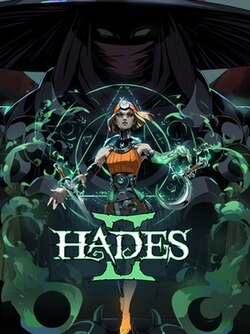 Hades on Xbox Series X/S
 Combat Elite: WWII Paratroopers on PS2
 Onimusha: Dawn of Dreams on PS2
 Disney's Chicken Little: Ace in Action on PS2
 Tokyo Xanadu eX+ on PS4
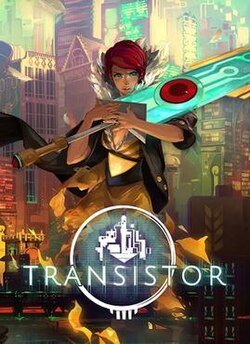 Transistor on PS4
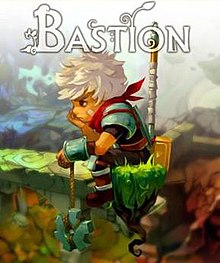
 Bastion on PS4
 Bastion on Switch










 Another SquareThought Site