

 Mar 2023
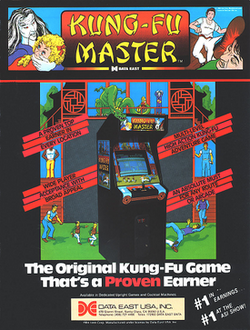

Xiaomei and the Flame Dragon's Fist is a love letter to crunchy 80s-90s arcade bruisers, reborn as a compact Switch brawler. You play as Xiaomei, who punches and kicks her way across single-plane stages to rescue her sister Xiaoyin from the Dark Dragon. The game borrows structural DNA from the original Kung-Fu Master-stages that funnel you forward, a boss at the end of each level, and a steady ramp in nastiness-while dressing it up with modern pixel art, voice snippets, and a handful of quality-of-life niceties. If you came for nostalgic one-screen pounding, there is a lot to love. If you came to chill, be advised: this one wants your thumbs to earn their keep.
The core gameplay loop is gloriously simple on the surface: move right, beat dudes, collect pickups, and duke it out with a boss. Under the hood, Xiaomei demands deliberate play. The single-plane format means there is no sneaky strafing: every fight is a test of spacing, timing, and crowd control. Enemies come in predictable archetypes-swarming Grippers that latch onto you and drain health, knife-throwers and flying hazards that force you to watch vertical space, and larger melee units that punish reckless button mashing. The joy here is learning how each enemy telegraphs an attack and then exploiting the clean, responsive input to punish them. Controls on Switch are tight: a direction plus attack inputs lets you string punches, kicks, and special moves into combos that both finish off enemies and pad score. The game rewards disciplined combo execution more than frantic flailing; combo windows are generous enough to feel fair but tight enough that sloppy timing gets punished. Combo timing becomes a skill tree in your thumbs-the better you rhythm your hits, the faster enemies stagger and the more hits you can juggle before they drop off the screen. Grippers are perhaps the most character-defining enemy here. They latch and start draining health, creating a mini panic that tests two skills simultaneously: shedding the grab (through a precise input or combo) and avoiding follow-up attacks from nearby enemies. These moments are little examinations of your crisis management: can you break free without getting pummelled, and can you pivot immediately to clear the grabber threat? Practiced players will learn to preempt grabs by spacing and using single-hit knocks to interrupt the grab animation; beginners will frequently lose a life and learn the lesson the hard way. Boss fights are the game's syllabus in concentrated form. Each boss has a health bar and unique moveset, turning the encounter into a short one-on-one lesson in pattern recognition. Bosses telegraph a heavy attack, then follow up with quicker mixups-mastering a boss is about reading the tell, baiting the heavy, and punishing the recovery with your most damaging strings. The fights lean into a fighting-game logic: spacing, whiff punishes, and respecting recovery frames. It makes boss battles feel more like chess than button-slam roulette, which is refreshing for a game inspired by arcade brawlers. Level design keeps pressure high. There are occasional stage hazards-flying birds, breathing dragons, falling projectiles-that force you to split attention between enemies and the environment. Health pickups and attack augments spawn but are scarce enough to demand resource management. You cant just yoink every pickup willy-nilly; survival often depends on saving a health item for the boss or using an attack augment to clear a swarm and avoid getting grabbed multiple times. Difficulty balance is unapologetically arcade-esque. Early stages are forgiving enough to teach mechanics, but the curve kicks in where it matters: later floors ask you to combine everything youve learned simultaneously. Crowd density increases, enemy mixes become nastier, and the game occasionally applies a timer pressure that makes mistakes costly. This is not a metroidvania where you can hide and grind XP; it's a forward march that rewards muscle memory and study. Expect to die, learn, adapt, and then feel deliciously smug when you clear a previously impossible floor. Skills required to excel - Pattern recognition: enemies and bosses repeat attack patterns. Spotting tells is more valuable than raw reflexes. - Precision timing: combos and grab escapes have windows that reward precise inputs. Clean timing separates survivors from victims. - Spacing and positioning: single-plane action increases the importance of your horizontal placement. Keep your back to scenery that isnt lethal, and bait enemies to the optimal engagement zone. - Resource management: health pickups are finite. Learn when to conserve and when to burn consumables to maintain momentum. - Crowd control: multi-enemy encounters are where the game shines or chews you up. Learn area-clearing sequences and when to trade a hit for better positioning. Replay value and extra modes The Switch port adds Xiaoyin Mode unlocked after finishing the main story, new characters, wallpapers, and illustrations. These extras feed the completionist itch and offer reasons to revisit stages-especially if you want to master alternative move sets or chase higher scores. Score-chasing is a quiet secondary loop because the game still tracks bonuses for remaining health and time after a stage, nudging skilled players toward optimization runs.
The art is pixel-perfect nostalgia with modern polish. Studio Vigor delivers sprites that pop, animations that sell impact, and boss designs that read clearly on Switch screens. Backgrounds are decorative without being distracting, and the single-plane layout benefits from distinct, readable enemy silhouettes-crucial when you need split-second reactions. Sound design is a treat: Norio Nakagata and Hirofumi Murasaki supply music and SFX that strike the right retro chord without sounding like a chiptune museum piece. Voice clips are used sparingly for flavor rather than constant chatter, which keeps the pace snappy. Performance on Switch is stable; no lag or frame drops that would undermine the precision the game requires.
Xiaomei and the Flame Dragon's Fist is a compact, demanding brawler that knows exactly what it wants to be: an old-school arcade challenge wrapped in present-day skin. It will test your timing, your patience, and your ability to read enemy patterns. If you enjoy games that get harder because you get smarter rather than because they simply stack more health bars, you will find a lot to like here. The Switch version's extra story mode and unlockables add replay value, and the presentation is charming enough to justify multiple runs. This is not a casual couch snack for people who prefer rhythm games of the thumb-twiddling variety. It demands practice, a little humility, and a readiness to learn from failure. But when you finally clear that ridiculous floor you died on thirty times, the payoff is real and surprisingly cathartic. For players looking for a bite-sized but skill-heavy arcade experience on Switch, Xiaomei is a worthy pick. For those who want long, forgiving campaigns or sprawling exploration, this one will probably make you cranky-but in a good, motivated-to-get-better way. Final verdict: tight controls, smartly designed challenges, and a boss parade that rewards study. Bring your A-game and your comfy thumbs.
 Gaelic Football '25 on Xbox Series X/S
 Together! The Battle Cats on Switch
 Crash Bandicoot: The Wrath of Cortex on PS2
 Disney's Chicken Little: Ace in Action on PS2
 Uno Flip! on PS4
 Door Kickers: Action Squad on PS4
 Onimusha: Dawn of Dreams on PS2
 Unbound: Worlds Apart on Switch
 Unsighted on Switch
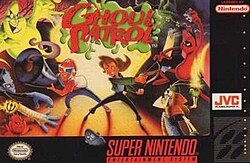
 Ghoul Patrol on Switch
 Kero Blaster on PS4
 Alwa's Legacy on Switch










 Another SquareThought Site