

 Jan 2026
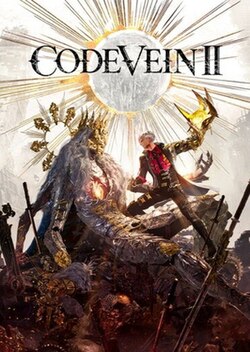

Code Vein II arrives like a polite sequel: it keeps the anime hair, asks you to bring your sword, and quietly insists you understand grief, regret, and why sealing things is a full-time job. It's a Soulslike action-RPG with a post-apocalyptic setting, vampires (called Revenants), and a girl named Lou who can manipulate time - which is handy when you keep dying and want another go. Bandai Namco Studios leaned into bigger world design this time, tossed in a motorcycle for the scenic bits, and upgraded the combat and boss showmanship. Critics were split: Xbox Series X/S reviews landed around the mid-70s on Metacritic, which is industry-speak for 'this is fine, but bring headphones and a patient spouse.' This review focuses on the Xbox Series X/S experience, meaning yes, you'll get the visual polish Unreal Engine 5 promises, and yes, you might also get some of the rough edges reviewers were polite enough to call 'character.'
If you came for a straight copy of the first game, Code Vein II will disappoint you by being only slightly more ambitious and occasionally more coherent. It keeps the third-person, Soulslike fundamentals - stamina management, careful dodging, and the blessedly familiar cycle of death and learning - but it grafts on a handful of new organs that either help or confuse depending on how much you like plot ex machina. Your avatar is the Revenant Hunter (customizable, thankfully), who wakes up a human/Revenant hybrid after Lou sacrifices half her heart. Lou is both companion and plot device: she manipulates time so you can travel to the past, collect Pathos from would-be heroes, and then murder their future selves in the present. It's morally awkward in a way only a game with vampires and ritual sealing could be, which is to say 'perfectly in tone.' The time-travel framing is the game's standout mechanical twist. You hop into past segments to learn the tragedies that forged the five heroes who once sealed the Resurgence. Those excursions work as bite-sized levels with character-driven beats that give the otherwise repetitive monster-swatting something resembling narrative gravity. You can either accept the tragedies, gather Pathos, and come back to the present to slaughter mindless, corrupted versions of those heroes, or you can meddle and try to fix their pasts. The choices change the present in sensible and not-quite-sensible ways, and the branching feels meaningful without drowning the combat in talky menus. Companion AI returns but with an interesting wrinkle: assimilation. Rather than carrying an ever-present NPC who draws aggro and occasionally flubs the perfect moment to resurrect you, you can absorb companions to remove them from the battlefield and gain passive bonuses. It's a smart way to give the companions mechanical weight beyond 'bag of insults and heals.' Boss fights are where Code Vein II tries hardest to impress: the camera gets theatrical, Go Shiina's music swells when necessary, and the bosses themselves are designed to be memorable if sometimes uneven. Bandai Namco promised more refined boss presentation, and for the most part you get it - flashy patterns, stagger windows, and satisfying parries when you deserve them. The motorcycle and more open world design mostly serve to break up the loop of corridor, arena, corridor, arena. Traversal has more space, more vistas of ruined cities, and the occasional set piece that feels designed to let you breathe between lungfuls of horror. Customization has been deepened, letting you tune builds rather than just choose a weapon and hope for the best. That said, the combat can still feel a touch anemic in spots: some enemy designs lack bite, and high-difficulty encounters occasionally rely on obstacle spam rather than clever design. If you like tweaking builds, learning attack windows, and the slow burn of Soulslike progression, Code Vein II will scratch that itch. If you prefer a tighter, more consistently polished ride, you may notice the seams. On Xbox Series X/S specifically, performance is mostly serviceable but not miraculous. Some outlets flagged 'dismal console performance' in their early takes, and while I didn't find the game unplayable, there are frame dips and hiccups during the most dramatic moments. Those moments, of course, are the ones you care about. On a machine designed for buttery smoothness, these stutters feel like stepping on a LEGO in the middle of a cinematic boss moment. They don't ruin the experience, but they puncture the immersion just enough to make you grumble at the credits.
Powered by Unreal Engine 5, Code Vein II looks like a glossy anime painting that occasionally remembers it's also a video game. Character models and facial animations are sharper than the first game, and the environments have scale in a way that benefits the roaming and the motorcycle segments. Lighting does a lot of heavy lifting; it sells the Luna Rapacis as an ominous, mood-lit affront to good sense. Go Shiina's score complements the visuals - the music swells exactly when you'd like it to, which is reassuring because the story does ask you to care about a lot of doomed people you met five minutes ago. There are rough edges. Textures pop in in a manner that suggests the engine is trying to unroll a tapestry while running a marathon, and some NPC animations are stiff enough to remind you that at some point someone said, 'Eh, good enough.' The art direction is strong enough that these missteps feel like stylistic choices rather than fatal flaws. Bosses are often spectacular, with design moments that read well on screen, and the motorcycle sequences offer the only brief illusion of speed and freedom the game dangles in front of you before returning to the comforting familiarity of Heavy Enemy #3.
Code Vein II is an amiable, slightly neurotic sequel that knows its niche and leans into it. It gives Soulslike fans more of what they want - deeper customization, refined bosses, and a satisfying combat loop - while adding time travel and companion-assimilation to keep the toy box interesting. The story is melodramatic in that gloriously overcommitted anime way, which will delight some players and exhaust others. On Xbox Series X/S the presentation mostly holds up, though occasional performance hiccups remind you this is not quite the seamless next-gen showcase the marketing promised. If you enjoy methodically learning enemy tells, resenting a stylish vampire lady's life decisions, and experimenting with builds until something clicks, Code Vein II is worth your time. If you were hoping for a polished, unalloyed masterpiece, you'll probably be happier waiting for a sale. Either way, it's competent, occasionally brilliant, and reliably weird - which, in a world of safe sequels, is almost a virtue.
 Code Violet on PS5
 Avalon Code on DS
 Code Vein on PS4
 Combat Elite: WWII Paratroopers on PS2
 Onimusha: Dawn of Dreams on PS2
 Disney's Chicken Little: Ace in Action on PS2
 Tokyo Xanadu eX+ on PS4
 Tales of Arise on Xbox Series X/S
 Ace Combat 7: Skies Unknown Deluxe Edition on Switch
 Puyo Puyo Tetris 2 on Xbox Series X/S
 Tekken 8 on PS5
 Tales of Arise on PS5










 Another SquareThought Site