

 Jan 2026
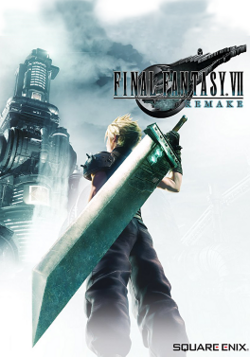

Final Fantasy VII Remake Intergrade is the glossy, cinematic reintroduction to Midgar that refuses to be politely nostalgic. Packaged as a modern action-RPG built on Unreal Engine 4 and expanded into the Intergrade edition, it turns the early chapters of the 1997 classic into a frenetic, strategic dance with huge swords, bigger emotions, and an Active Time Battle (ATB) system that ambidextrously waves at both button mashers and tactical players. If you're picking this up on Xbox Series X/S, you're getting the remake's expanded visuals and systems alongside the ports' modern additions - plus a difficulty slider that ranges from try-hard to absurdly chill. For anyone who thinks JRPGs are either slow or mindless, Intergrade will make you admit it's possible to be both at once: fast when you need to be, and surprisingly schemy when you stop and think.
At its core, Intergrade is an action RPG that still remembers its old-school RPG manners. Combat is hybridized: you run around in real time, wheel-swinging Cloud or blasting with Barret, but a slowly filling ATB meter tugs you back into pauseable, menu-driven choices. That mechanic is the heart of the game's challenge design and also the main skill gate. You need to master three overlapping disciplines to get the most out of fights. First, reflex and positioning. Enemies telegraph attacks, and successful dodges and well-timed blocks create openings. The game rewards spatial awareness - getting behind an enemy, keeping distance from ranged attackers, and baiting telegraphed moves are basic but non-negotiable habits. Tifa's close-quarters combos demand you wade into messy space and read animations; Barret's kit forces you to remain mobile while lining up charged shots. The "feel" of each character is different enough that learning how each one moves and punishes mistakes is a skill unto itself. Second, resource and time management. The ATB system is more than a pause button; it's a currency. Every spell, item, or summon eats ATB segments. Aggressive play fills ATB faster, but reckless melee leaves you exposed while you wait for slots to refill. Deciding whether to spend ATB for an immediate cure, a big spell, or to hoard it for a summon - often under pressure - is where the game's chessboard shows. You'll learn to weave auto-attacks and special moves to keep the meter topped up, and to swap characters mid-battle to exploit different ATB economies. That mid-fight swapping is more tactical than it sounds: each party member has unique roles and skills, and switching at the right moment can be the difference between a smooth fight and a game-over cutscene. Third, buildcraft and strategy. Materia returns, and weapon upgrades mean your loadout matters. There's genuine depth in choosing spells, passive bonuses, and materia combinations to exploit enemy weaknesses. Enemies generally have specific vulnerabilities, so scanning for patterns and applying the right element or status effect is critical. This rewards players who pay attention to enemy design and who can adapt quickly between fights. Playing on higher difficulties forces you into smarter loadouts: you'll need healing synergy, stagger-focused builds, and clever materia links more often than a simple brute-force approach. The game's challenge also lives in its variety: boss encounters are usually designed around phases and breaking mechanics, like stagger gauges and environmental hazards, which shift the skills you need mid-fight. That keeps runs from becoming rote button-mashing marathons and turns each boss into a short puzzle that demands pattern recognition, timing, and creative use of abilities. Intergrade's Episode Intermission DLC (the Yuffie side-story) adds another flavor of challenge. Yuffie plays differently: faster, more darting, and reliant on different gadgetry and minigames. It's a great palate cleanser and a reminder that the game's combat framework can support wildly different builds and playstyles. If you're the kind of player who likes to specialize and master someone who feels unique, Yuffie scratches that itch. Difficulty options are worth a real-world mention because they change the skill profile required. The Xbox/next-gen ports introduce Streamlined Mode, an accessibility toggle that cranks your party's stats and turns attacks into 9,999 damage - essentially removing challenge for players who want the story with minimal friction. That's a welcome inclusion for newcomers or walkthrough marathoners, but purists should stick to the normal and harder settings, where timely execution, ATB economy, and buildcraft reward attention and practice. The PS5 Intergrade's inclusion of a turn-based control option in normal difficulty also shifts the game's tempo, appealing to players who prefer methodical planning over twitch reflexes. Either way, the game lets you tailor the level of skill demanded, which is excellent design in 2026 standards.
Intergrade's visuals are frequently jaw-dropping. Built on Unreal Engine 4 with lighting augmented by Enlighten, the remake scrubs the grime off Midgar and then hand-polishes the neon until it practically hums. Character models balance realism and stylization, yielding performances that sell emotional beats better than any 1997 polygon ever could. On the Xbox Series X/S, expect higher fidelity textures, sharper shadows, and more consistent framerates compared to the original PS4 release - the Intergrade upgrade was explicitly about improved visuals and shorter load times. Photo mode and improved cinematic presentation let you pause the chaos and admire the cinematography, because yes, it's that pretty. A caveat: earlier PC ports of Intergrade were criticized for stuttering and poor optimization, so keep an eye out for post-launch patches if you see frame drops. The Xbox release benefits from dedicated optimization work for the console family, and the option to toggle Streamlined Mode or turn-based controls means you can tune both difficulty and performance expectations. In short: it's gorgeous, and it runs great when it's running great - and Square Enix has shown it's willing to patch rough edges when needed.
If you care about learning curve and skill expression, Final Fantasy VII Remake Intergrade is a feast. It demands and rewards timing, planning, and adaptability in a way few modern remakes dare to ask. The combat is a delightful hybrid: frantic when you want it to be, strategic when you take a breath. Materia and weapons give you a real sense of progression; switching characters on the fly and managing ATB means fights rarely feel like the same puzzle twice. For players who enjoy mastering mechanics, optimizing builds, and reading enemy patterns, Intergrade is a playground with stakes. For those who just want the story, options like Streamlined Mode and turn-based controls make the game accessible without diluting its core systems. There are some rough edges - padding in side quests and the occasional bloated narrative detour - but those are small complaints next to the satisfaction of turning a tough boss into a flawless, staggered sigh of victory. On Xbox Series X/S, Intergrade lands as both a technical showcase and a deeply playable, often challenging RPG. Consider this a stylish, sometimes brutal invitation: bring patience, bring curiosity, and maybe a health potion or two. You'll leave Midgar a better player - and probably emotionally wrecked, in a good way.
 Stranger of Paradise: Final Fantasy Origin on PS4
 Dirge of Cerberus: Final Fantasy VII on PS2
 Combat Elite: WWII Paratroopers on PS2
 Onimusha: Dawn of Dreams on PS2
 Disney's Chicken Little: Ace in Action on PS2
 Tokyo Xanadu eX+ on PS4










 Another SquareThought Site